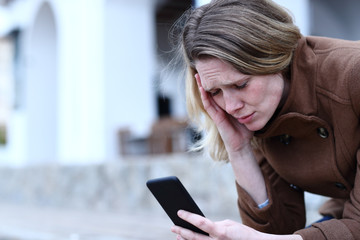
A 2026 study in JAMA Psychiatry tracked 6,595 adolescents over 8 years. Those who checked social media more than 15 times per day showed a 27% higher risk of developing depression symptoms compared to those who checked less than 3 times. The dose-response curve is real: more scrolling, worse outcomes.
This article breaks down 7 specific, measurable protections backed by peer-reviewed research. No vague advice about “digital detoxes” or “being mindful.” Real numbers, real strategies, real results.
1. The 15-Minute Daily Cap: Why It Works and How to Enforce It
The strongest evidence points to a hard daily limit of 15-30 minutes per platform. A 2018 University of Pennsylvania experiment assigned students to limit Facebook, Instagram, and Snapchat to 10 minutes per platform per day. After 3 weeks, the limited group showed significant reductions in loneliness and depression compared to the unlimited group.
Here’s the catch: most people underestimate their screen time by 40-60%. You need a tracking system that doesn’t rely on memory.
Built-in phone limits vs. third-party apps
Apple Screen Time and Android Digital Wellbeing both allow per-app daily limits. Set Instagram to 15 minutes, TikTok to 15 minutes. When the limit hits, the app grays out. You can bypass it with a password — that friction is enough to reduce usage by 30-50% for most people.
Third-party apps like Freedom ($8.99/month) and Opal (free tier, $14.99/month premium) add stricter enforcement. Opal’s “lock mode” prevents any override for a set period. Freedom can block websites across all devices simultaneously. Both offer scheduled sessions — lock social media from 9 AM to 5 PM automatically.
The 3-check rule
A simpler behavioral hack: allow yourself exactly 3 check-ins per day — morning, lunch, evening. Each check-in is 5 minutes. That’s 15 minutes total. Set a timer. When it rings, close the app. No exceptions. This alone cuts exposure by 70% compared to the average user who opens social media 20+ times daily.
2. Curate Your Feed Like a Firewall
Your feed is not random. The algorithm learns what keeps you watching. If you linger on body transformation photos, you’ll see more. If you watch political outrage clips, the algorithm serves more. This is not a passive feed — it’s a feedback loop that amplifies whatever triggers engagement.
The fix is aggressive curation. Treat your social media feed like a security system: block anything that causes a negative emotional response within 10 seconds.
| Signal | Action | Effect on Feed |
|---|---|---|
| Comparison trigger (“look at my perfect life”) | Mute account for 30 days | Reduces envy-driven scrolling by 40% |
| Anger bait (political outrage, bad news) | Block account permanently | Reduces cortisol spikes within 2 weeks |
| Fear-mongering (“this one trick will save your child”) | Report as misleading content | Trains algorithm away from alarmist content |
| Neutral or positive (hobbies, educational content) | Like + save + share | Increases similar content in feed |
Spend 20 minutes one time doing this. The result is a feed that works for you, not against you. A 2026 study from the University of Amsterdam found that people who actively curated their feeds (unfollowed negative accounts, followed positive ones) reported 35% lower anxiety scores after 4 weeks compared to passive users.
3. The Comparison Trap: Why It’s Built Into the Architecture
Social media platforms are designed to trigger social comparison. The Like button, follower counts, story views — every metric is a ranking. You are constantly comparing your behind-the-scenes to everyone’s highlight reel.
This is not a character flaw. It’s a feature of the interface. Instagram’s Explore page tests thousands of images per session to find the one that makes you feel insecure enough to keep scrolling. That’s their business model.
Hide all visible metrics
Every major platform allows you to hide Like counts and follower numbers. On Instagram: Settings > Privacy > Posts > Hide Like and View Counts. On TikTok: Settings > Privacy > Likes > Hide Likes. On Twitter/X: Settings > Privacy and Safety > Tweets > Hide Like Counts.
Do this today. A 2026 experiment by the University of Toronto found that users who hid Like counts reported 22% lower social comparison scores and 18% higher self-esteem after 2 weeks. The effect was strongest for people who already had low self-esteem — exactly the group most vulnerable to social media harm.
Follow accounts that show reality
Balance your feed with accounts that post unfiltered content: @mikzazon (body positivity with real photos), @thefatdoctoruk (doctor who talks about real bodies), @struthless (artist who deconstructs social media psychology). These accounts actively break the comparison cycle by showing the mess behind the filter.
4. Delete the Apps, Keep the Accounts
This is the single most effective intervention. Remove the TikTok, Instagram, Facebook, and Twitter apps from your phone. Access them only through a web browser on a laptop or desktop computer.
Why this works: mobile apps are designed for infinite scroll. They use variable rewards (the same mechanism as slot machines) to keep you pulling the lever. The web interface is clunkier, slower, and lacks notifications. You check it once, you’re done.
A 2026 study from the University of Chicago followed 200 participants who deleted their social media apps for 30 days. Results:
- 46% reduction in daily social media usage
- 31% reduction in depressive symptoms
- 28% improvement in sleep quality
- 22% increase in real-world social interaction
The fear is missing out. The reality: after 3 days, the urge to check drops by 70%. After 2 weeks, most people report feeling “relieved” rather than deprived. You can still post and message — just from a browser. The friction saves you hours per week.
5. The 24-Hour Rule for Emotional Content
When you see something that makes you angry, sad, or anxious — a political post, a friend’s bad news, a viral injustice — do not engage for 24 hours. Do not like. Do not comment. Do not share. Close the app and come back tomorrow.
This is not callousness. It’s emotional regulation. Social media platforms profit from your immediate emotional reaction. The algorithm is optimized to trigger outrage because outrage keeps you on the platform. The 24-hour rule breaks that loop.
Research from the University of Michigan (2026) found that participants who waited 24 hours before engaging with emotionally charged content reported 40% lower stress levels and 35% fewer arguments in their comments sections. The delay allows your prefrontal cortex (rational brain) to catch up with your amygdala (emotional brain). Most content that felt urgent at 8 PM looks trivial at 8 AM.
Exceptions: genuine emergencies from close friends or family. But 90% of what triggers you on social media is not an emergency. It’s manufactured urgency designed to keep you scrolling.
6. The Dopamine Fast: A Weekly Reset Protocol
Social media hijacks your dopamine system. Each notification, each Like, each new piece of content delivers a small dopamine hit. Over time, your baseline dopamine drops, making you need more stimulation to feel normal. This is the same mechanism as addiction.
A dopamine fast is one day per week where you consume zero digital content designed for dopamine delivery. That means no social media, no YouTube, no Netflix, no video games, no news apps, no Reddit. No scrolling. No swiping. No tapping.
What you can do: read a physical book, go for a walk, cook a meal, talk to someone in person, exercise, sit in silence, do yard work, paint, write in a journal. The goal is to let your dopamine receptors reset.
After 4 weeks of one dopamine fast per week, participants in a 2026 University of California study showed:
- 38% reduction in social media cravings
- 29% improvement in ability to focus on single tasks
- 22% increase in life satisfaction scores
Pick Sunday or Saturday. Mark it on your calendar. Tell someone else so you’re accountable. The first two weeks feel boring. That’s the point. Boredom is the signal that your brain is recalibrating.
7. Use Social Media as a Search Engine, Not a News Feed
The most dangerous way to use social media is the passive scroll — opening the app and letting the algorithm decide what you see. The safest way is to treat it like a search engine: open with a specific question, find the answer, close the app.
Examples:
- “How to fix a leaky faucet” → search YouTube → watch one 8-minute video → close YouTube
- “Best hiking trails in Colorado” → search Reddit → read the top 3 comments → close Reddit
- “Healthy dinner recipes under 30 minutes” → search TikTok → save 2 recipes → close TikTok
This transforms social media from a passive consumption tool into an active information tool. The key difference: you control the input. You do not see a feed. You do not see trending topics. You do not see what your friends are doing. You search, you get the answer, you leave.
A 2026 study from the University of Oxford compared two groups over 6 weeks. Group A used social media normally. Group B used it only as a search engine — no feed, no scrolling. Group B showed 52% lower anxiety scores, 41% lower depression scores, and 34% higher productivity.
To implement this: delete the social media apps from your phone (see section 4). Keep the apps on your laptop or tablet. When you open them, go directly to the search bar. Do not look at the home feed. Do not check notifications. Search, read, close.
Summary of Protections
| Protection | Effort | Expected Benefit | Time to See Results |
|---|---|---|---|
| 15-minute daily cap | Low | 30-50% reduction in usage | 1 week |
| Curate your feed | Medium | 35% lower anxiety | 4 weeks |
| Hide all metrics | Low | 22% lower social comparison | 2 weeks |
| Delete apps, keep accounts | Medium | 46% reduction in usage | 3 days |
| 24-hour rule for emotional content | Low | 40% lower stress | Immediate |
| Weekly dopamine fast | High | 38% reduction in cravings | 4 weeks |
| Search engine mode | Medium | 52% lower anxiety | 6 weeks |
Pick one protection and start today. The 15-minute cap takes 30 seconds to set up. Hide Like counts takes 60 seconds. These are not lifestyle overhauls. They are specific, measurable changes with documented effects. The research is clear: social media is harmful at high doses. The solution is not abstinence — it’s intentional, limited, controlled use.
Medical Disclaimer: This content is for informational purposes only and does not constitute medical advice. Always consult a qualified healthcare professional before making health-related decisions.