
Why Bodyweight Workouts Are Effective for Strength Building
Bodyweight workouts use your own weight as resistance, making them incredibly effective for building strength. Science shows that when you challenge your muscles with resistance and progressively increase the difficulty—whether by adding reps, slowing down the movement, or trying harder variations—you promote muscle growth and improve endurance. This concept, called progressive overload, is key whether you’re using weights or just your body.
One big advantage of bodyweight exercises over gym equipment is that they naturally engage your core, help improve your balance, and build functional strength that translates to everyday activities. Unlike machines that isolate muscles, bodyweight movements train multiple muscle groups and joints at once. This leads to better overall fitness and injury prevention.
Plus, bodyweight workouts are perfect if you’re new to fitness, have a busy schedule, or travel a lot. No equipment or fancy gym needed—you can build solid strength anytime, anywhere. It’s flexible, efficient, and surprisingly powerful for making real gains without the weights.
Essential Guidelines Before Starting
Before jumping into any home workout routine, warming up is key. Spend 5-10 minutes on dynamic exercises like leg swings, arm circles, and hip openers to boost blood flow and reduce injury risk.
Focus on maintaining proper form throughout each exercise — quality beats quantity every time. Keep your core engaged, move steadily, and coordinate your breathing. Typically, inhale during the easier part and exhale during the effort phase (like pushing up in a push-up).
To keep building strength, use progression methods such as increasing reps, slowing down the tempo for more muscle tension, or trying harder variations of each move. For example, move from knee push-ups to regular push-ups as you get stronger.
Aim to work out about 3-5 days per week, giving your muscles time to recover on rest days. Recovery helps avoid burnout and overtraining, which can stall progress.
Beginners can modify exercises by reducing range of motion or reps, while more advanced users can add intensity or combine moves for a bigger challenge. Tailoring the difficulty lets everyone build strength safely and effectively.
Routine 1: Full-Body Beginner Circuit
This full-body beginner circuit is designed to build foundational strength by targeting all major muscle groups using simple bodyweight exercises. It’s perfect if you’re just starting or want an easy-to-follow routine you can do anywhere without equipment.
The circuit format means you perform each exercise one after the other, then take a short rest before repeating the set. This keeps your heart rate up while building strength efficiently.
Exercises included:
- Bodyweight Squats – Strengthen your legs and glutes while improving balance.
- Knee Push-Ups – A gentler push-up variation that develops chest, shoulders, and triceps.
- Glute Bridges – Activate your glutes and lower back for better posture and hip stability.
- Plank Hold – Build core strength and endurance.
- Superman Back Extensions – Strengthen lower back and improve overall back health.
How to do it:
- Perform each exercise for 30-45 seconds.
- Rest 15-30 seconds between exercises.
- Complete 2-3 rounds.
- Total workout duration: 20-25 minutes.
This circuit is a great way to start strength training with no equipment needed, emphasizing form and control to prevent injury as you build your muscle base. Adjust rest times as needed to match your fitness level.
Routine 2: Lower Body Strength Builder
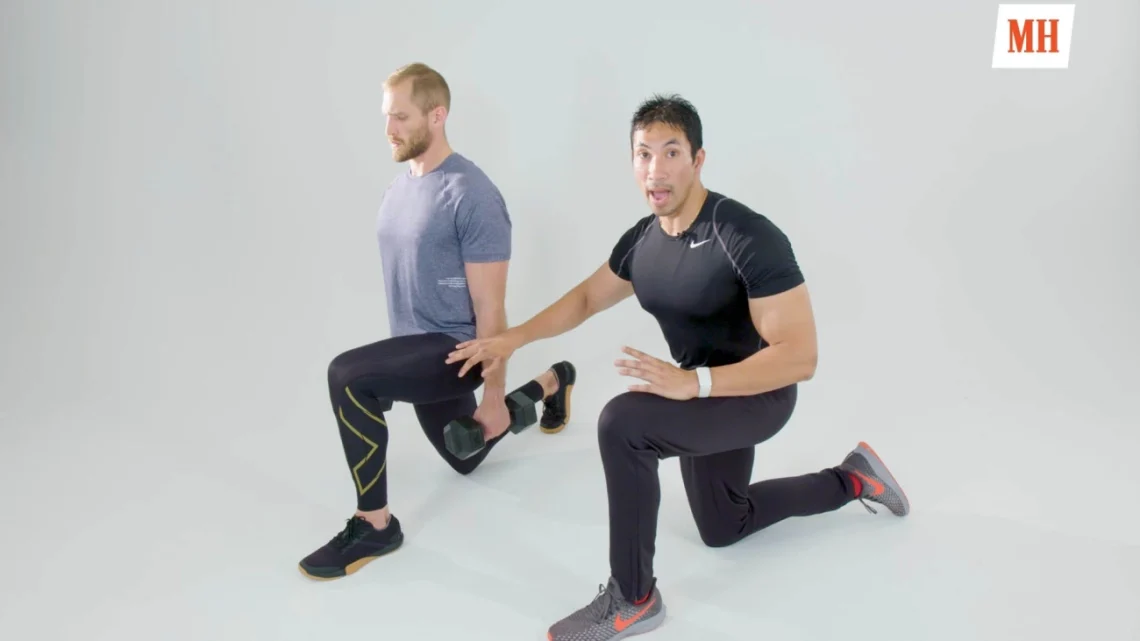
This 25-minute routine focuses on building power and stability in your legs, glutes, and hips—key areas for functional strength and everyday movement. Strengthening these muscles improves balance, supports your joints, and boosts overall athletic performance.
Exercises and Structure
- Lunges (Forward & Reverse): 3 sets of 10 reps each leg
- Wall Sit: 3 sets, hold for 30-45 seconds
- Single-Leg Glute Bridges: 3 sets of 12 reps each side
- Calf Raises: 3 sets of 15-20 reps
- Squat Jumps: 3 sets of 10 reps
Rest for 30-45 seconds between sets to maintain intensity and aid recovery.
These bodyweight exercises target multiple lower body muscle groups and promote strength without any equipment. Combining static holds like wall sits with dynamic moves such as squat jumps offers a balanced workout that builds endurance and explosiveness. Perfect if you want a no-equipment workout to strengthen your lower body and improve functional strength.
Try progressing by increasing reps, extending hold times, or adding pulses at the bottom of lunges and squats. This way, you\’ll keep challenging your muscles effectively, practicing progressive overload at home.
For more tips on avoiding common workout pitfalls and maintaining motivation during your fitness journey, check out this helpful guide on how to overcome common workout challenges.
Routine 3: Upper Body Push and Pull Focus
This workout targets your chest, shoulders, back, and arms with a balanced mix of push and pull exercises. Using supersets keeps your heart rate up while building strength efficiently. Aim for 3 rounds with little rest between exercises to get the most out of the 20-25 minute session.
Exercises:
- Push-Ups: Classic move to build chest and triceps.
- Inverted Rows (or Floor Angels): Great for back muscles; floor angels work well if you don’t have a bar.
- Pike Push-Ups: Focus on your shoulders and upper chest.
- Tricep Dips: Use a sturdy chair or low surface to hit your triceps.
- Plank Shoulder Taps: Challenge your shoulder stability and core.
Format: Complete one push and one pull exercise back-to-back (e.g., Push-Ups then Inverted Rows), then rest 30-60 seconds before moving to the next superset. Repeat for 3 rounds.
This routine builds functional upper body strength without any equipment, ideal for at-home strength training. Remember to maintain proper form and control throughout for the best results.
Routine 4: Core and Stability Strengthener
A strong core is essential for better posture, injury prevention, and overall functional strength. This routine focuses on building core stability through a continuous circuit with minimal rest to keep your muscles engaged and challenge your endurance.
Exercises:
- Forearm Plank Variations: Hold steady planks or try side planks to engage different core muscles.
- Bird-Dog: Great for balance and activating lower back and abdominal muscles together.
- Dead Bug: Helps improve coordination and deep core activation with controlled limb movements.
- Bicycle Crunches: Targets the obliques and rectus abdominis for a well-rounded core workout.
- Leg Raises or Flutter Kicks: Focus on lower abs and hip flexors to build stability.
Format:
- Perform each exercise back-to-back with 15-30 seconds of work and 10-15 seconds of rest.
- Repeat the circuit 3-4 times, aiming for a total workout time of 15-20 minutes.
This routine requires no equipment and can be done anywhere, perfect for anyone looking to sharpen their core strength with simple, effective bodyweight exercises. For more insights on staying motivated and effective with your workout regime, check out these helpful fitness tips.
Routine 5: Full-Body HIIT Strength Fusion
This full-body HIIT strength fusion workout combines strength training with cardio to burn fat while building endurance and muscle. Using an AMRAP (As Many Rounds As Possible) or timed intervals, you’ll push through intense bursts followed by short rests, maximizing calorie burn and strength gains in 25-30 minutes.
Exercises:
- Burpees: A total-body move that boosts power and cardiovascular fitness.
- Mountain Climbers: Great for core stability and increased heart rate.
- Jump Squats: Add explosive power to your legs and glutes.
- Push-Up to Plank Row: Targets chest, shoulders, back, and core in one move.
- High Knees: Keep your heart rate up to enhance endurance and fat loss.
Perform each exercise for 30-40 seconds with 15-20 seconds rest between moves. Complete 4-5 rounds depending on your fitness level. This routine not only shapes muscles but improves functional strength and stamina without any equipment.
If you want to boost your results further, pairing this workout with solid nutrition and recovery habits can make a big difference—check out these valuable fitness tips to support your training routine.
How to Structure Your Weekly Plan
Creating a balanced weekly schedule helps you build strength efficiently without equipment. Here’s a sample 7-day plan mixing the routines to target all major muscle groups while allowing proper recovery:
- Day 1: Full-Body Beginner Circuit
- Day 2: Core and Stability Strengthener
- Day 3: Lower Body Strength Builder
- Day 4: Rest or light mobility/stretching
- Day 5: Upper Body Push and Pull Focus
- Day 6: Full-Body HIIT Strength Fusion
- Day 7: Rest or active recovery (walking, yoga)
Track Your Progress
Keep a simple workout log to record reps, sets, and how the exercises feel. Tracking small improvements like extra reps or longer plank holds helps prevent plateaus and keeps motivation high.
Avoid Common Mistakes
- Poor form: Prioritize technique over speed or reps to prevent injury.
- Overtraining: Rest days are essential—muscles grow when you recover.
- Skipping warm-ups or cool-downs: These improve performance and reduce soreness.
By sticking to this plan and listening to your body, you’ll build functional strength at home effectively. For tips on staying motivated and consistent, check out these practical strategies on how to motivate yourself during fitness routines.
Additional Tips for Maximizing Results
To get the most from your 5 simple home workout routines, focusing on nutrition, recovery, scaling, and motivation is key.
Nutrition Basics with Protein Focus
Protein plays a major role in muscle building and recovery. Aim to include good protein sources like lean meats, beans, dairy, or plant-based options in every meal. This supports muscle repair after your bodyweight exercises and helps you build strength faster.
Recovery Strategies: Sleep, Stretching, and Mobility
Giving your body time to recover is just as important as training itself. Prioritize 7–9 hours of quality sleep every night, as this is when muscle growth primarily happens. Incorporate gentle stretching and mobility work after workouts to reduce soreness and improve flexibility, helping you stay injury-free.
Scaling for Different Fitness Levels
No matter your current fitness, you can adjust these routines to fit your needs. Beginners can reduce reps or add rest, while advanced exercisers can increase tempo, add holds, or try harder variations. This progressive overload approach ensures continuous improvement without extra equipment.
Motivation Tips: Goal Setting and Progress Tracking
Setting clear, realistic goals—whether it\’s increasing reps, improving form, or consistency—keeps you motivated. Keep a workout journal or app to track your progress over time. Celebrating small wins helps build momentum and keeps you committed.
For more tips on maintaining consistent fitness habits, check out these helpful strategies from 10 clever fitness tips for dads, which include ways to juggle workouts with a busy lifestyle.
By focusing on nutrition, smart recovery, tailored scaling, and motivation, you’ll maximize your strength gains and enjoy your home workout journey.


