
Taking control of your health means making proactive choices every day. Focusing on accessible fitness routines and nourishing your body effectively can significantly reduce the risk of chronic diseases. This guide explores practical strategies for building a resilient, healthier life right from your home.
Understanding Disease Prevention Beyond the Doctor’s Office
Disease prevention extends far beyond annual check-ups. It’s about building a lifestyle that actively fortifies your body against common ailments like heart disease, type 2 diabetes, and certain cancers. Our daily choices in movement and diet play a critical role, often more significant than we realize, in shaping our long-term health trajectory. These aren’t just about feeling good today; they are investments in a vibrant future.
Many chronic conditions, such as high blood pressure and elevated cholesterol, develop gradually, often without noticeable symptoms in their early stages. The good news is that many of these conditions are largely preventable through consistent, thoughtful lifestyle interventions. Think of your body as a complex system requiring regular maintenance and the right fuel. Neglecting either can lead to inefficiencies, which over time, manifest as health problems. Engaging in regular physical activity, even moderate amounts, helps regulate blood sugar, maintains healthy weight, improves blood circulation, and strengthens the immune system. Similarly, a diet rich in whole foods provides the necessary nutrients to support cellular repair and reduce inflammation, key factors in disease resistance.
The Silent Threat of Sedentary Lifestyles
Modern life often pushes us towards prolonged periods of sitting, whether at a desk, in a car, or on the couch. This sedentary behavior, sometimes called “sitting disease,” is a significant, often overlooked, risk factor for numerous health issues. Research consistently links excessive sitting to an increased risk of obesity, metabolic syndrome, and even premature death. It slows metabolism, impacts the body’s ability to regulate blood sugar, and reduces fat-burning enzymes.
Breaking up long periods of sitting is crucial. Even short bursts of movement, like standing up and stretching every 30 minutes, or taking a quick walk, can make a difference. The goal isn’t necessarily intense exercise all the time, but rather consistent movement throughout the day. Consider investing in a standing desk or setting reminders to move. These small habits collectively contribute to a more active, and thus healthier, daily routine, disrupting the negative patterns of prolonged inactivity.
Nutrition’s Role in Cellular Defense
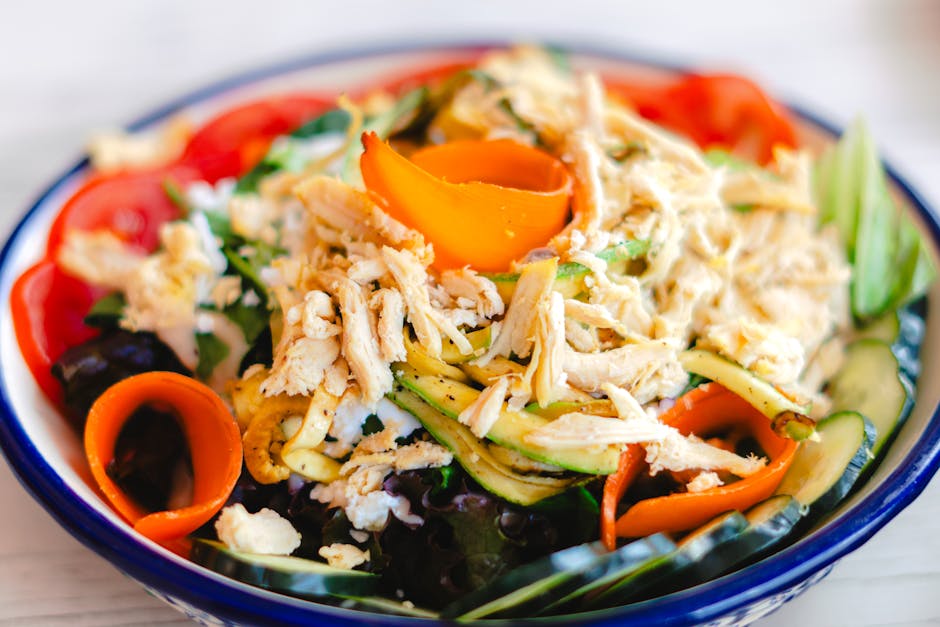
What you eat directly impacts your body’s ability to fight off disease. A diet rich in fruits, vegetables, whole grains, and lean proteins provides essential vitamins, minerals, antioxidants, and fiber. These components work synergistically to protect cells from damage, reduce inflammation, and support a robust immune system. Antioxidants, found in colorful produce like berries and leafy greens, neutralize free radicals, which are unstable molecules that can damage cells and contribute to aging and disease.
Conversely, diets high in processed foods, refined sugars, and unhealthy fats can promote chronic inflammation and contribute to conditions like obesity and type 2 diabetes. Understanding the impact of food choices moves beyond just calorie counting; it’s about nutrient density. Choosing whole, unprocessed foods fuels your body effectively, optimizing its natural defense mechanisms and supporting overall vitality. For instance, a diet emphasizing omega-3 fatty acids, found in fish like salmon or flaxseeds, actively reduces systemic inflammation, which is a common underlying factor in many chronic diseases.
Maximizing Home Exercise: Choosing the Right Equipment

Setting up an effective home exercise routine doesn’t require a dedicated gym space or dozens of machines. The key is selecting versatile equipment that fits your goals, space, and budget. For many, integrating cardiovascular exercise and some strength training is a priority for disease prevention. Equipment that offers low-impact cardio, especially, can be a great starting point for all fitness levels, minimizing stress on joints while still elevating heart rate.
One standout option for accessible home cardio and lower body strengthening is the mini stepper. These compact machines provide an excellent workout without demanding much floor space. They mimic stair climbing, engaging glutes, hamstrings, and calves, all while providing a decent cardiovascular challenge. The hydraulic resistance found in many models offers a smooth, controlled motion, making it gentler on knees and ankles compared to actual stairs or running.
Why the Niceday Mini Stepper Stands Out
Among the various mini steppers available, the Niceday Steppers for Exercise, Stair Stepper with Resistance Bands, Mini Stepper with 300LBS Loading Capacity, Hydraulic Fitness Stepper with LCD Monitor 6603W6L-Gray+Mat offers a compelling combination of features and value. Priced at just $79.99, it’s an affordable entry point into consistent home cardio. Its robust 300LBS loading capacity ensures stability for a wide range of users, a critical safety consideration. The integrated resistance bands mean you can incorporate upper-body exercises, turning a simple stair-stepping session into a more comprehensive, full-body workout. Users consistently praise its smooth hydraulic system and compact footprint, reflected in its solid 4.4/5 rating from over 12,924 reviews. For effective, low-impact cardio that also builds lower-body strength, this stepper is a top recommendation for most home exercisers looking to prevent disease.
You can find more details and purchase this highly-rated stepper through its product page.
Alternatives for Different Fitness Goals
While a mini stepper is fantastic, other options cater to different needs. If joint impact is a major concern, or if you prefer a full-body cardio workout without impact, an elliptical machine or a recumbent bike might be better, though they require more space and a higher budget. For strength training, a set of adjustable dumbbells (like the Bowflex SelectTech 552) and resistance bands provide immense versatility. Even a simple yoga mat for bodyweight exercises and stretching can be incredibly effective. The best choice depends on your specific health goals and available room. For example, individuals focusing on bone density might prioritize weight-bearing exercises with dumbbells, while those recovering from injury might stick to cycling or swimming-like movements at home.
Quick Healthy Meal Prep for Busy Weeks
Eating well consistently can feel like a challenge when life gets hectic. Meal prepping, however, transforms this challenge into a manageable routine. It’s not about spending an entire Sunday cooking for the whole week, but rather about making smart choices that streamline healthy eating. The goal is to reduce decision fatigue during busy weekdays and ensure nutritious options are always within reach, preventing reliance on less healthy takeout or convenience foods. This proactive approach to nutrition is a cornerstone of disease prevention, providing your body with a steady supply of essential nutrients.
- Batch Cook Grains and Proteins: Cook a large batch of quinoa, brown rice, or lentils at the beginning of the week. Simultaneously, roast a tray of chicken breast, bake some salmon, or prepare a big pot of chili. These form the base of various meals.
- Chop Vegetables in Advance: Wash and chop your favorite raw veggies like bell peppers, carrots, cucumbers, and celery. Store them in airtight containers. These are perfect for quick snacks, salad additions, or stir-fries.
- Prepare Healthy Dressings and Sauces: Make a simple vinaigrette, a yogurt-based dip, or a pesto. Having these on hand makes assembling salads and bowls much faster and tastier than relying on store-bought options, which often contain hidden sugars and unhealthy oils.
- Assemble Overnight Oats or Chia Puddings: For quick breakfasts, combine oats, milk (dairy or non-dairy), chia seeds, and fruit in jars. Refrigerate overnight. They’re ready to grab and go, packed with fiber and protein to start your day strong.
- Utilize High-Speed Blenders: A quality blender, like the NutriBullet Pro, can dramatically cut down prep time for smoothies, soups, and sauces. Blending up a nutrient-dense breakfast smoothie in minutes can be a lifesaver on busy mornings, ensuring you get a good dose of fruits and vegetables without fuss. For those looking to upgrade their kitchen arsenal, consider a powerful high-speed blender to make daily nutrient intake effortless.
Essential Pantry Staples for Quick Meals
Keeping a well-stocked pantry is half the battle for quick, healthy meals. Focus on versatile, non-perishable items. Canned beans (black, kidney, chickpeas) are excellent sources of protein and fiber. Canned tomatoes (diced, crushed, paste) form the base of many sauces and stews. Whole-wheat pasta, quinoa, and brown rice are quick-cooking complex carbohydrates. Stock up on healthy fats like olive oil and avocado oil. A variety of dried herbs and spices means you can flavor any dish without added salt or unhealthy ingredients. Don’t forget frozen vegetables and fruits; they retain their nutritional value and are ready to use, minimizing waste. These staples ensure that even on days when the fridge looks bare, a nutritious meal is still within reach.
Three Recipes Under 20 Minutes
Here are three simple, fast recipes to keep you eating well during busy periods:
- Speedy Salmon & Asparagus: Season a salmon fillet with lemon, dill, salt, and pepper. Roast alongside asparagus spears (tossed in olive oil and garlic powder) at 400°F (200°C) for 12-15 minutes. Serve with pre-cooked quinoa.
- Black Bean & Corn Salsa Bowls: Combine a can of drained black beans, a can of corn, diced bell peppers, red onion, cilantro, and a squeeze of lime juice. Serve over a bed of mixed greens or brown rice, topped with avocado.
- Quick Veggie & Egg Scramble: Sauté pre-chopped vegetables (spinach, mushrooms, onions) in a pan. Whisk two eggs with a splash of milk and pour over the veggies. Scramble until cooked. Serve with a slice of whole-wheat toast.
Balancing Fitness and Injury Prevention: Smart Habits

Consistent exercise is crucial for disease prevention, but doing it safely is equally important. Pushing too hard, using incorrect form, or neglecting recovery can lead to injuries that derail your progress. The goal is sustainable fitness, meaning a routine you can maintain long-term without setbacks. This involves listening to your body, understanding the mechanics of different exercises, and incorporating preventative measures into your regimen. Injury prevention ensures that your fitness journey remains a positive, continuous one, rather than a cycle of exertion and recovery from avoidable mishaps.
Low-Impact vs. High-Impact: A Practical Comparison
| Feature | Low-Impact Exercise | High-Impact Exercise |
|---|---|---|
| Definition | Exercises where one foot remains on the ground or there’s minimal joint stress. | Exercises involving both feet leaving the ground, creating significant joint stress. |
| Examples | Walking, cycling, swimming, elliptical, mini stepper, yoga, Pilates. | Running, jumping, plyometrics, basketball, high-intensity interval training (HIIT) with jumps. |
| Joint Stress | Minimal to low stress on joints (knees, hips, ankles). | Significant stress on joints, higher risk of impact-related injuries. |
| Calorie Burn | Can be high, especially with sustained effort; good for endurance. | Often very high in shorter bursts; excellent for anaerobic fitness. |
| Suitability | Excellent for beginners, individuals with joint issues, older adults, daily activity. | Suitable for experienced exercisers, those without joint concerns, athletic training. |
| Disease Prevention | Highly effective for cardiovascular health, weight management, blood sugar control. | Effective for cardiovascular health, bone density, and metabolic health; higher injury risk if not careful. |
For most individuals focused on long-term disease prevention, a mix of low-impact cardiovascular work and strength training is ideal. Low-impact options, like using a Niceday mini stepper, allow for consistent activity without undue wear and tear on joints. High-impact exercises can build bone density and offer intense cardio, but they require proper technique, a strong foundation, and careful progression to avoid injuries. It’s often wise to consult with a fitness professional when incorporating high-impact movements, especially if you have pre-existing joint conditions or are new to exercise. The priority is always to move, but to move smart.
The Importance of Proper Form
Correct form isn’t just about looking good; it’s fundamental to both effectiveness and safety. Performing exercises with poor form significantly increases the risk of muscle strains, sprains, and more serious injuries. For instance, squatting with a rounded back can damage your lower spine, while lifting weights with improper technique can lead to rotator cuff issues or knee pain. Taking the time to learn and practice correct form, even for seemingly simple exercises, pays dividends in preventing long-term problems.
Many online resources, including videos and reputable fitness blogs, offer detailed guidance on exercise form. Consider recording yourself to compare your movements against proper technique. Starting with lighter weights or just bodyweight allows you to master the movement pattern before adding resistance. If something feels off or causes sharp pain, stop immediately. Prioritize moving correctly over moving heavily or quickly. This careful approach protects your body, allowing you to build strength and endurance safely and effectively, contributing to sustained disease prevention efforts.
Beyond the Plate: Mental Well-being and Physical Health
It’s easy to focus solely on diet and exercise when discussing physical health, but mental and emotional well-being are equally foundational to disease prevention. Chronic stress, anxiety, and depression can manifest physically, impacting everything from immune function to cardiovascular health. A holistic view of health acknowledges these interconnected systems. Prioritizing mental health is not a luxury; it’s a non-negotiable component of a truly healthy, disease-resistant life.
Daily Movement Habits: Small Steps, Big Impacts
Integrating more movement into your daily life doesn’t always mean a structured workout. Sometimes, it’s the accumulation of small, consistent actions that yields the greatest health benefits. These micro-movements add up, improving circulation, boosting mood, and contributing to overall energy expenditure. For those new to regular activity or individuals with demanding schedules, focusing on these simple habits can be a highly effective way to kickstart a healthier lifestyle and combat sedentary risks, leading to tangible results in disease prevention over time.
How often should I exercise to see benefits?
For significant health benefits and disease prevention, aiming for at least 150 minutes of moderate-intensity aerobic activity or 75 minutes of vigorous-intensity activity per week is a widely accepted guideline. This can be broken down into 30 minutes of moderate exercise five days a week. Additionally, incorporate muscle-strengthening activities for all major muscle groups at least two days a week. Consistency is more important than intensity initially. Even short, daily walks or a few minutes on a mini stepper contribute positively. The key is to make movement a regular, non-negotiable part of your routine. For example, a brisk 10-minute walk three times a day already covers half the weekly recommendation.
What if I have limited space or time?
Limited space or time are common barriers, but they don’t have to stop you. For space, compact equipment like the Niceday mini stepper is ideal, easily stored in a closet. Bodyweight exercises require no equipment and minimal space; think squats, lunges, push-ups (on knees if needed), and planks. For time constraints, break up your exercise into “exercise snacks.” Five-minute bursts of jumping jacks, high knees, or a quick session on your stepper throughout the day add up. Even a 10-minute brisk walk during a lunch break can be impactful. The goal is progress, not perfection. Start small and build up. Consider a short, guided workout video online that requires no equipment, often found on platforms like YouTube, designed for small spaces and busy schedules.
Are there any simple routines I can start today?
Absolutely. Here’s a simple routine you can do without any equipment, requiring about 15-20 minutes:
- Warm-up (5 minutes): Light marching in place, arm circles, leg swings.
- Bodyweight Circuit (10 minutes, repeat 2-3 times):
- 10 Squats
- 10 Lunges per leg
- 10 Push-ups (on knees or full)
- 30-second Plank
- 15 Crunches
- Cool-down (5 minutes): Gentle stretches, focusing on legs, arms, and back.
Alternatively, for a cardio focus, dedicate 15-20 minutes to brisk walking around your neighborhood or using a mini stepper. Even better, consider signing up for a healthy meal delivery service like Daily Harvest or Factor Meals to save time on cooking and ensure nutritious ingredients are always on hand. Services like these can take the guesswork out of meal planning and help maintain dietary consistency without the prep work, freeing up more time for fitness. Explore options that deliver healthy, pre-portioned meals to your door by checking out services like these popular meal kits.