
Are you adding chia seeds to your breakfast and wondering actually doing it right — or just sprinkling them on top of yogurt and hoping the nutrition headlines hold up?
That’s the practical question behind most searches on this topic. Chia seeds have earned a strong reputation in nutrition science, and the research largely supports that reputation — but only when they’re prepared and dosed in ways that activate their key properties. There’s a meaningful difference between a breakfast that genuinely uses chia seeds effectively and one that treats them as a garnish. This guide covers the underlying science, five reliable preparation formats, the mistakes most people make, and the brands worth spending money on.
This is not medical or dietary advice — consult a licensed healthcare provider before making significant changes to your diet, particularly if you have digestive conditions, are taking blood-thinning medications, or have any underlying health concerns.
What Chia Seeds Actually Do for Your Morning
The foundational question deserves a precise answer: why do chia seeds make sense specifically at breakfast, rather than any other meal?
Start with the numbers. A standard two-tablespoon serving — roughly 28 grams — contains approximately 10 grams of fiber, 5 grams of protein, 9 grams of fat (predominantly ALA omega-3), and around 138 calories. No single figure is dramatic on its own. The combination creates a morning ingredient that genuinely slows digestion in measurable ways.
Fiber and Satiety: How the Gel Works
Chia seeds absorb up to 10 to 12 times their own weight in liquid, forming a viscous gel when hydrated. That gel slows gastric emptying — the rate at which food leaves the stomach and enters the small intestine. Research has generally found that this mechanism increases satiety hormones, including GLP-1 and PYY, while reducing ghrelin, the primary hunger-signaling hormone.
Why does this matter for breakfast specifically? The morning meal tends to set your metabolic response for the first several hours of the day. A high-glycemic breakfast — white toast, sweetened cereals, most commercial pastries — typically produces a rapid glucose spike followed by a sharp drop. That crash commonly arrives between 10 and 11 a.m. and is a primary driver of mid-morning hunger and snacking behavior.
Chia seeds, when properly hydrated, blunt that glucose curve. Studies have typically found that adding chia to a carbohydrate-heavy meal reduces the post-meal glucose response by 20 to 40 percent compared to control groups eating the same calories without chia. That’s a meaningful effect for a food that costs under $15 per pound and requires essentially zero preparation skill.
The Omega-3 Question: What ALA Actually Delivers
Chia seeds are frequently marketed as a plant-based omega-3 source. That claim is accurate, but it requires context. The omega-3 in chia is ALA (alpha-linolenic acid), not EPA or DHA — the forms that research most directly associates with cardiovascular and cognitive benefits. The human body converts ALA to EPA and DHA at roughly 5 to 10 percent, making chia seeds a supporting contributor rather than a standalone omega-3 source.
For people who eat fatty fish two or more times per week, the omega-3 in chia is supplementary. For people who don’t consume fish, chia seeds are one of the more practical plant-based ALA sources available. Two tablespoons provide approximately 5 grams of ALA, which typically exceeds the adequate intake recommendation for most adults.
The Blood Sugar Window: What the Research Generally Shows
Studies have generally found that chia-enriched breakfasts sustain satiety for three to five hours, compared to one and a half to two and a half hours for calorie-matched refined carbohydrate breakfasts. The mechanism is multi-pathway: the fiber gel slows digestion, the protein content stimulates satiety hormones, and the fat content triggers cholecystokinin release, which signals fullness to the brain through the vagus nerve.
The practical implication is worth stating plainly. A chia-based breakfast is most effective when it replaces a lower-fiber alternative — not when it’s layered on top of an already complete meal. Chia seeds improve breakfast quality. They don’t neutralize poor nutritional choices made elsewhere in the same bowl.
Five Breakfast Formats Worth Building Into a Weekly Routine
Not all chia preparations deliver the same results. These five formats are ranked by practical reliability — how consistently they work for most people, most mornings, without requiring unusual ingredients or significant time investment.
1. Overnight Chia Pudding
The most reliable format by a significant margin. Combine three tablespoons of chia seeds with one cup of milk — dairy, oat, almond, or coconut all produce good results — add a small amount of vanilla extract and a teaspoon of maple syrup if desired, stir or shake thoroughly to prevent clumping, then refrigerate for at least four hours or overnight.
The result is a thick, pudding-like texture with roughly 10 to 12 grams of fiber, 8 to 10 grams of protein depending on the milk, and a glycemic load low enough to sustain energy for several hours. Add toppings after refrigeration — banana slices, berries, a tablespoon of almond or peanut butter, or a small amount of granola. The key ratio is three tablespoons chia to one cup liquid. Less than that produces a watery drink. More creates an overly stiff texture that most people find unpleasant.
2. Blended Into Smoothies
Add one tablespoon of dry chia seeds to the blender before running it. They blend completely smooth, which eliminates the textural issue some people have with whole seeds. The fiber and protein benefits carry over fully, and this is the lowest-effort format — no pre-planning, no refrigeration time needed.
The limitation: less complete hydration means a somewhat reduced gel effect compared to overnight pudding. Satiety duration is typically closer to two to three hours rather than four to five. Still meaningfully better than a smoothie without chia.
3. Stirred Into Warm Oatmeal
Add one to two tablespoons of chia seeds to oatmeal in the final 30 seconds of cooking. The heat and moisture cause partial gelation — not as thorough as overnight soaking, but enough to raise the viscosity and nutritional profile of the meal considerably. Steel-cut oats combined with chia seeds is one of the highest-fiber breakfast combinations achievable without a blender, easily reaching 12 to 15 grams of combined fiber in a single bowl.
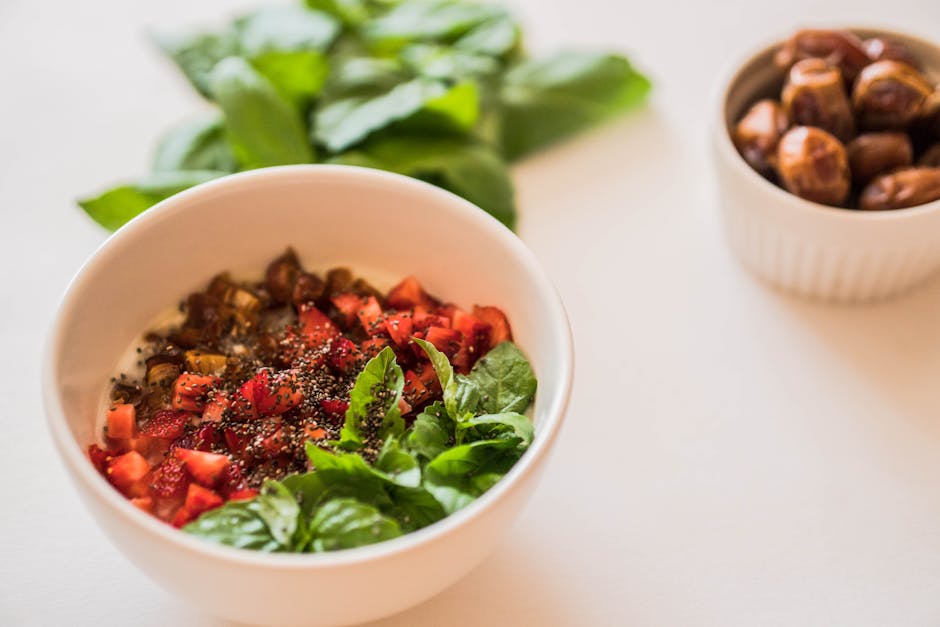
4. Chia Berry Jam on Whole Grain Toast
Mash ripe berries — strawberries, raspberries, or blueberries all work well — and mix with one tablespoon of chia seeds per half-cup of mashed fruit. Refrigerate for 20 minutes. The result is a spreadable jam with dramatically less sugar than any commercial product and significantly more fiber. Spread on whole grain bread. Dave’s Killer Bread Powerseed or Ezekiel 4:9 sprouted grain bread both add additional fiber and protein from the bread itself, making this one of the more nutritionally dense quick-prep formats available.
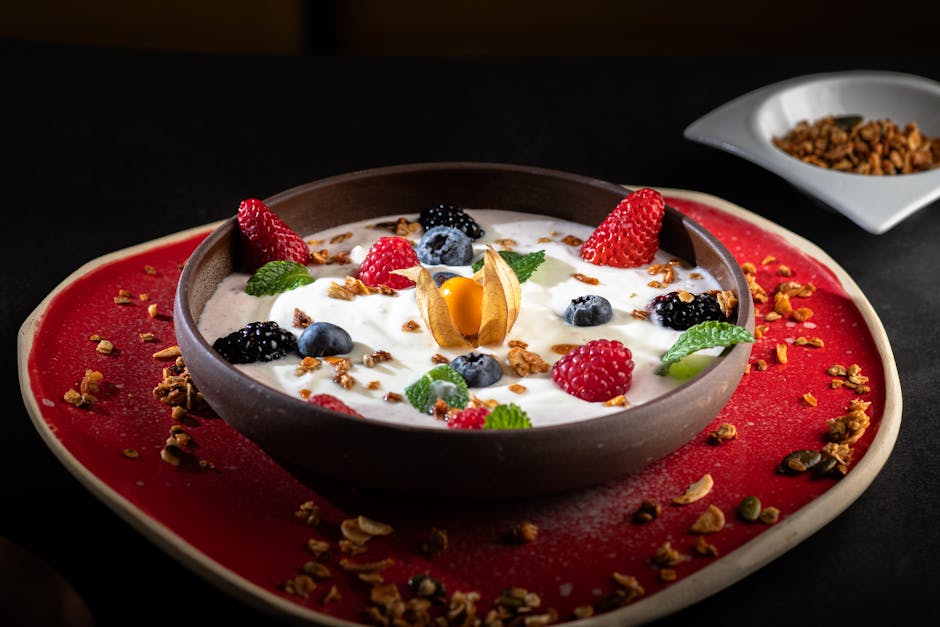
5. Greek Yogurt Parfait Base
Stir two tablespoons of chia seeds into a cup of plain Greek yogurt and let it sit for 15 minutes. The yogurt thickens noticeably as the seeds absorb moisture. Top with fresh fruit and a small amount of honey. The protein content from full Greek yogurt — typically 17 to 22 grams per cup — combined with the fiber from chia seeds produces one of the strongest satiety combinations in practical breakfast nutrition. Assembly takes under five minutes, which is its main advantage over overnight pudding.
Preparation Format Comparison
Different formats suit different schedules and nutritional priorities. Here’s a direct comparison across the variables that actually matter for daily use:
| Format | Prep Time | Fiber per Serving | Approx. Protein | Satiety Duration | Best For |
|---|---|---|---|---|---|
| Overnight Chia Pudding | 5 min (night before) | 10–12g | 8–10g | 4–5 hours | Meal prep routines |
| Blended Smoothie | 5 min | 5–7g | Varies with add-ins | 2–3 hours | Rushed mornings |
| Oatmeal Add-In | 1 min | 8–11g combined | 6–8g | 3–4 hours | Existing oatmeal habit |
| Chia Berry Jam on Toast | 20 min (refrigeration) | 6–8g | 3–5g | 2–3 hours | Batch prep, families |
| Greek Yogurt Parfait | 15 min | 7–10g | 18–22g | 4–5 hours | High-protein priority |
Estimates assume two tablespoons of chia seeds per serving (28g). Satiety duration ranges reflect findings from controlled satiety research — individual responses vary based on body weight, overall diet composition, and metabolic rate.
Three Mistakes That Undermine the Results
Eating chia seeds dry. Dry chia seeds pass through the digestive tract largely intact, which significantly reduces nutrient availability. They also absorb liquid inside the digestive system rather than forming an external gel first — which can cause bloating and, in rare cases documented in gastroenterological literature, esophageal obstruction if consumed in large amounts without adequate water. Always hydrate them first, or blend them completely before eating.
Using too small a dose. One teaspoon of chia seeds contains roughly 1.7 grams of fiber. That’s nutritionally present, but it’s not the dose research typically uses when demonstrating measurable satiety or glucose-response effects. Most studies showing meaningful outcomes use two to three tablespoons per meal. A token addition of seeds produces token results — and may explain why some people conclude chia seeds don’t do anything for them.
Adding chia seeds on top of a calorie-dense breakfast and expecting a net fat-loss effect. Chia seeds contain approximately 138 calories per two-tablespoon serving. They improve the satiety profile and nutritional quality of a meal — they do not cancel out other calories. Adding two tablespoons to an already 600-calorie breakfast creates a 738-calorie breakfast. It keeps you fuller longer, which has real value. But it is not a mechanism for caloric reduction on its own. Use chia as a replacement for lower-fiber ingredients, not as an additive layer on top of everything else.
Which Chia Seeds to Buy — and Why Brand Quality Actually Varies
For most people, most of the time, Bob’s Red Mill Organic Chia Seeds is the correct answer. It costs roughly $8 to $10 for a 12-ounce bag, is available at most major grocery chains and online retailers, carries USDA organic certification, and has a consistent quality record across independent testing and consumer reviews. Fresh, high-quality chia seeds taste like virtually nothing — mild, neutral, slightly earthy at most — and Bob’s Red Mill consistently delivers that.
Organic vs. Conventional: Is the Premium Justified?
Chia seeds appear on some pesticide residue assessments, though the data is less conclusive than it is for thin-skinned produce like strawberries or spinach. Given that the price difference between certified organic and conventional chia is typically only $2 to $3 per bag — and given that most people using chia for breakfast eat it daily — organic is generally the more defensible choice. The additional cost per serving works out to well under five cents.
Other Brands Worth Knowing
Navitas Organics Chia Seeds run about $12 to $14 for a 16-ounce bag, but are available at Costco in larger formats that bring the per-ounce cost down considerably. For households making chia pudding several times per week, the Costco Navitas Organics format is one of the better value propositions in the category. Quality is comparable to Bob’s Red Mill — the seeds are similarly neutral in flavor and gel reliably.
Nutiva Organic Chia Seeds ($10 to $13 for 12 oz) are well-stocked at Whole Foods, Target, and many regional grocery chains. Flavor profile is essentially identical to the other certified organic options. If it’s on the shelf, it’s a sound purchase.
Avoid store-brand chia seeds with no organic certification and no visible third-party testing information. They may be fine. They may also have been stored at improper temperatures during distribution, leading to rancidity that won’t be obvious until you open the bag and encounter something bitter or crayon-like. That quality assurance gap typically isn’t worth the $2 savings.
How to Check Freshness Before You Use Them
Rancid chia seeds have a noticeably bitter or sour smell and a harsh aftertaste. Fresh seeds should taste like almost nothing. If your bag smells off when first opened, return it. Rancid fats deliver none of the omega-3 value you’re looking for and may cause digestive discomfort in sensitive individuals.
Store opened bags in a sealed airtight container in a cool, dark location. Properly stored, chia seeds remain fresh for up to two years — a more forgiving shelf life than most high-fat foods, and one of the reasons they’ve become a reliable pantry staple rather than a perishable specialty item.
As research into dietary fiber and metabolic health becomes more precise, the specific mechanisms behind chia’s effects are likely to be understood at greater resolution — which may eventually clarify optimal dosing, preparation methods, and timing for particular health goals. For now, the evidence base is solid enough to support daily use with confidence, and the practical barrier to starting is genuinely close to zero.
Medical Disclaimer: This content is for informational purposes only and does not constitute medical advice. Always consult a qualified healthcare professional before making health-related decisions.