Navigating the fluorescent-lit aisles of a CVS pharmacy while your lower back feels like it’s being gripped by a heated vice is a uniquely modern trial. If you are standing in that aisle right now, overwhelmed by the wall of red and blue boxes, the most effective immediate purchase for most acute lower back strains is a combination of a topical NSAID patch and a 12-hour heat wrap. I have spent dozens of hours analyzing the clinical data on transdermal delivery versus oral ingestion, and for localized back issues, the targeted approach usually wins on both speed and safety. Back pain is not a singular experience; it is a spectrum ranging from the sharp, breath-catching spike of a muscle spasm to the dull, soul-crushing ache of chronic disc degeneration. CVS offers a surprisingly deep inventory of tools to manage this, but you have to know which chemical or mechanical lever to pull. We are going to look at the pharmacology of what is on those shelves, the mechanical devices that actually work, the economics of store brands versus national brands, and how to build a recovery kit that keeps you out of the doctor’s office.
Topical vs. Oral Medications: Navigating the CVS Pharmacy Aisle
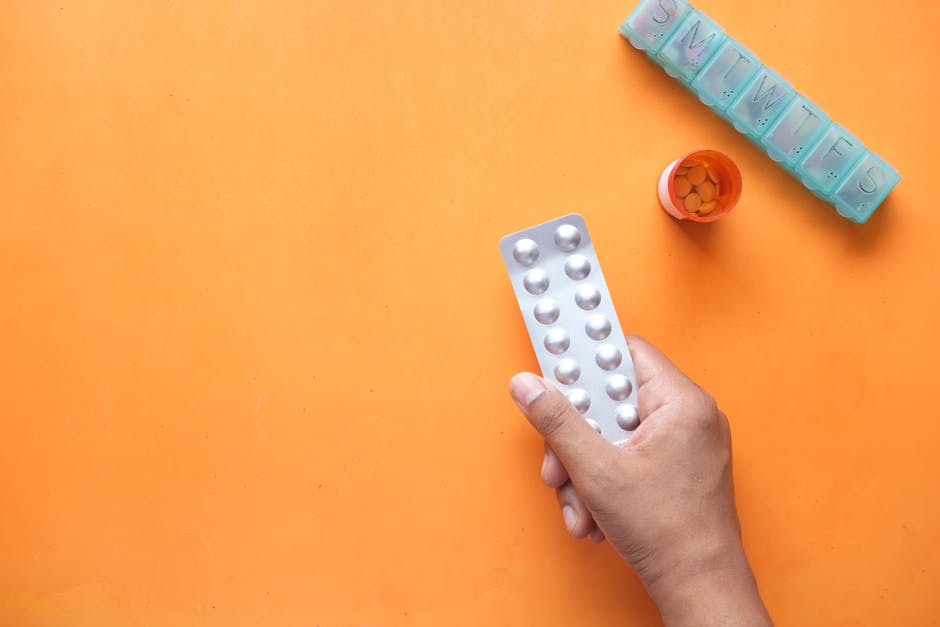
When your back goes out, the instinct is to swallow a handful of pills and hope for the best. However, the deep researcher’s approach suggests a more nuanced strategy. Oral medications must pass through your digestive system, be metabolized by the liver, and then circulate through your entire bloodstream before a fraction of the active ingredient reaches your lumbar spine. Topical applications, specifically those found at CVS, bypass this systemic journey, delivering relief directly to the inflamed tissue. This is particularly relevant if you have a sensitive stomach or are concerned about the long-term renal effects of frequent NSAID use. By applying the medication directly to the site of the pain, you achieve a higher local concentration of the drug with a significantly lower systemic load, reducing the risk of common side effects like gastric ulcers or cardiovascular strain.
The Power of Topical NSAIDs and Lidocaine
One of the most evidence-backed products you can grab is Voltaren Arthritis Pain Gel (Diclofenac Sodium 1%). While marketed for arthritis, its ability to penetrate skin and reduce inflammation in the soft tissues of the back is well-documented in clinical literature. A 100g tube at CVS typically retails for around $18.00 to $22.00, though the CVS Health brand version often sits closer to $15.00. The primary pro is its clinical-strength anti-inflammatory action without the gastric upset common with pills. The con is the application process; it is a clear gel that can be slightly greasy until absorbed, and for maximum efficacy, you must apply it four times a day. This frequent dosing is a commitment most people struggle to maintain, but for those who stick to the schedule, the reduction in localized swelling is often superior to oral alternatives.
If you prefer a “set it and forget it” method, Salonpas Lidocaine 4% Pain Relieving Patches are a staple. A 6-count box costs approximately $11.49. Lidocaine works as a local anesthetic, desensitizing the nerves in the immediate area—essentially silencing the pain signals before they reach your brain. The benefit here is the 12-hour wear time and the lack of a medicinal smell. However, the downside is that lidocaine does nothing for the underlying inflammation; it only masks the sensation. If your back is swollen or hot to the touch, you might need to alternate these with an anti-inflammatory like the CVS Health Ibuprofen or the Voltaren gel mentioned above.
Comparing Common Oral Analgesics for Acute Relief
| Product | Approx. Price | Active Ingredient | Best For | Major Drawback |
|---|---|---|---|---|
| CVS Health Ibuprofen | $14.99 (500 ct) | Ibuprofen (200mg) | Acute inflammation and swelling | Can cause stomach irritation/ulcers |
| Aleve (Name Brand) | $16.49 (100 ct) | Naproxen Sodium (220mg) | Long-lasting 12-hour relief | Harder on the kidneys than Acetaminophen |
| CVS Health Acetaminophen | $12.99 (500 ct) | Acetaminophen (500mg) | General pain, no stomach risk | Zero anti-inflammatory properties |
| Advil Dual Action | $18.99 (72 ct) | Ibuprofen + Acetaminophen | Multi-pathway pain relief | Higher cost per dose |
The choice between Ibuprofen and Naproxen (Aleve) often comes down to dosing frequency. Naproxen stays in your system longer, which is a godsend for back pain that prevents sleep. If you are dealing with a fresh injury, the inflammatory window is most active in the first 48 to 72 hours. During this time, the CVS Health Ibuprofen is a cost-effective workhorse. Just remember that these are systemic drugs; if you are already taking blood pressure medication or anticoagulants, you must consult the pharmacist before grabbing that bottle. Furthermore, the newer “Dual Action” formulas combine the anti-inflammatory power of Ibuprofen with the central nervous system pain-blocking of Acetaminophen, offering a two-pronged attack that many clinical trials suggest is more effective than either drug alone for musculoskeletal pain.
Mechanical and Thermal Relief: TENS Units and Heat Therapy

Sometimes chemistry isn’t enough. When a muscle is in a full-blown guarding spasm, you need to change the neurological and thermal environment of the tissue. This is where the “devices” section of the CVS health aisle becomes vital. We are looking at two primary technologies: Transcutaneous Electrical Nerve Stimulation (TENS) and localized thermotherapy. Both operate on the Gate Control Theory of pain, which suggests that by providing non-painful sensory input (like heat or tingling), you can “close the gate” to pain signals traveling to the brain. This effectively distracts your nervous system, allowing the muscles to relax from their defensive, spasmed state.
TENS Units: The Omron and CVS Health Comparison
TENS units used to be bulky machines found only in physical therapy clinics. Now, you can buy a CVS Health Targeted Heat & TENS device for about $50.00 to $60.00. This specific model is interesting because it combines electrical pulses with soothing heat. The electrical pulses interfere with pain signals and may trigger the release of endorphins. The pro of this device is its portability; you can wear it under a shirt while working. The con is the recurring cost of the gel pads, which lose their stickiness after about 15-20 uses and cost $15.00 to $20.00 to replace. This unit typically features several pre-set programs specifically calibrated for the lower back, shoulders, and joints.
Another heavy hitter is the Omron Pocket Pain Pro TENS Unit, usually priced around $40.00. It is smaller and more rugged than the store brand, roughly the size of a credit card but thicker. It offers 5 levels of intensity and 3 different massage-like modes (Knead, Tap, Rub). The pulses are crisp and highly adjustable. However, it lacks the heat function of the CVS model. If your back pain is deeply muscular and feels “tight,” the added heat of the CVS version might be worth the extra ten dollars. If your pain is more nerve-related or sharp, the precision of the Omron’s pulse modulation is often superior for long-term comfort.
The Efficacy of Heat Wraps and Heating Pads
For many, ThermaCare Lower Back HeatWraps are the gold standard for back pain relief CVS shoppers seek out. A 3-pack usually runs about $16.00. These are air-activated wraps that provide consistent, low-level heat (around 104 degrees Fahrenheit) for up to 8 hours, and the relief often lasts another 8 hours after you take it off. The heat increases blood flow to the area, which brings in oxygen and nutrients to repair damaged tissue while flushing out metabolic waste products like lactic acid. The pro is the sheer convenience and effectiveness for muscle stiffness. The con is that they are single-use, making them an expensive habit if you have chronic pain.
For long-term management, a CVS Health King Size Heating Pad ($35.00) is a much better investment. It offers consistent heat without the waste, though it tethers you to a wall outlet. These pads usually come with at least three heat settings and an auto-shutoff feature, which is a critical safety component if you tend to fall asleep while treating your pain. Look for models that offer “moist heat” options—usually achieved by dampening a sponge insert—as moist heat penetrates deeper into the muscle tissue than dry heat alone.
A quick note on ice: While the old advice was to ice every injury, current research suggests that for back pain, heat is often more effective at relaxing the guarding reflex of the muscles. Use ice only if there is a visible, acute trauma like a direct blow or a severe bruise. For general “I threw my back out” scenarios, heat is almost always the preferred thermal modality.
The Economics of Relief: Store Brand vs. National Brand
One of the most common questions at the pharmacy counter is whether the CVS Health brand is truly identical to the national brands like Advil, Tylenol, or Aleve. In the United States, the FDA requires that generic (store brand) medications have the same active ingredient, strength, dosage form, and route of administration as the brand-name product. They must also be “bioequivalent,” meaning they deliver the same amount of active ingredient into the bloodstream in the same amount of time. When you buy CVS Health Naproxen Sodium instead of Aleve, you are essentially buying the same chemical molecule for 30% to 40% less money. For chronic back pain sufferers who may be taking these medications for several weeks, these savings add up to hundreds of dollars over a year. The only differences are usually in the “inactive ingredients”—the binders, fillers, or dyes used to make the pill. Unless you have a specific allergy to a certain dye, the store brand is a scientifically sound way to manage your budget without sacrificing pain relief.
Nighttime Recovery and Ergonomic Support
Back pain doesn’t stop when the sun goes down; in fact, for many, it intensifies. Inflammation tends to peak at night, and poor sleeping positions can exacerbate disc pressure. CVS stocks several items in the “Home Healthcare” or “Orthopedic” section that can transform your sleep hygiene. The CVS Health Leg Contour Pillow (approx. $20.00) is a game-changer for side sleepers. By placing this firm foam pillow between your knees, you keep your hips, pelvis, and spine in better alignment, preventing the top leg from pulling your spine into a twist. For back sleepers, placing a standard pillow under the knees can flatten the lower back against the mattress, opening up the facet joints and relieving pressure.
Furthermore, if pain is keeping you awake, CVS Health Nighttime Sleep-Aid (Diphenhydramine) or a PM version of your pain reliever can be useful. However, use these sparingly. The goal is to reach a state where the mechanical supports (pillows and braces) and the topical treatments (patches) provide enough relief that you don’t need to rely on sedative-based pain killers to find rest. Recovery happens during deep sleep, so creating an environment where your spine is neutral is just as important as the medicine you take before bed.
Long-Term Management and Prevention Strategies

Buying products is a reactive strategy. To stop the cycle of back pain, you need a proactive framework. This involves structural support and lifestyle adjustments that you can actually start with items found at CVS. It is easy to think of a pharmacy as just a place for medicine, but the “Home Healthcare” section often contains the keys to preventing the next flare-up. Back pain is frequently a result of cumulative stress—poor posture at a desk, improper lifting, or a lack of core stability. Addressing these structural issues is the only way to move from “relief” to “recovery” and eventually to “prevention.”
Lumbar Support and Bracing
If your job requires sitting for long periods, the CVS Health Lumbar Support Cushion (approx. $25.00) is a high-yield investment. It forces your lower spine into a natural lordotic curve, reducing the pressure on your discs. The pro is that it fits almost any chair and is surprisingly durable. The con is that it can feel intrusive at first, and it takes a few days for your muscles to stop fighting the new position. For those who are active or have to lift heavy objects, the CVS Health Adjustable Back Support ($20.00 to $30.00) provides abdominal compression that stabilizes the spine. Use these sparingly, though; if you wear a brace all day, every day, your core muscles will weaken, making you more prone to injury when the brace is off. Think of the brace as a training tool or a temporary support during high-risk activities, not a permanent part of your wardrobe.
The Role of Supplements in Disc and Bone Health
While the evidence is less immediate than a lidocaine patch, some supplements found at CVS may support long-term spinal health. Glucosamine and Chondroitin are often used for joint health, and since the spine is essentially a series of joints (the facet joints), many find them helpful for chronic degenerative changes. A large bottle of CVS Health Triple Strength Glucosamine Chondroitin costs about $30.00. The pro is the potential for improved joint lubrication over months of use. The con is that it does nothing for acute pain, and the clinical data is mixed—some people see massive improvements while others see none. Additionally, ensuring you have adequate Vitamin D3 and Magnesium is crucial for bone density and muscle relaxation. Magnesium, specifically, is a natural muscle relaxant that can help prevent the nighttime spasms that often accompany a bad back. CVS Health Magnesium Citrate or Magnesium Glycinate are the preferred forms for absorption.
When to Stop Self-Treating: The Red Flags
I would be remiss if I didn’t outline the “Red Flags.” Most back pain is mechanical and will resolve with the CVS tools mentioned above within two to four weeks. However, you need to drop the heating pad and call a doctor immediately if you experience any of the following:
- Numbness or tingling that travels down both legs (bilateral sciatica).
- A sudden loss of bladder or bowel control (this is a medical emergency known as Cauda Equina Syndrome).
- Unexplained weight loss or fever accompanying the back pain, which could indicate infection or malignancy.
- Pain that is so severe it does not respond to any over-the-counter medication at maximum safe doses.
- Pain following a major trauma like a car accident or a fall from a significant height.
For everyone else, the path to relief is usually a combination of gentle movement and the right topical or mechanical intervention. Start with a Salonpas patch for the day, a heating pad for the evening, and a gentle walking routine to keep the blood flowing. Back pain thrives on stillness; movement is the medicine, and the products at CVS are simply the tools that make that movement possible again. Don’t just sit there waiting for the pain to vanish—treat the symptoms, support the structure, and get back to your life.