
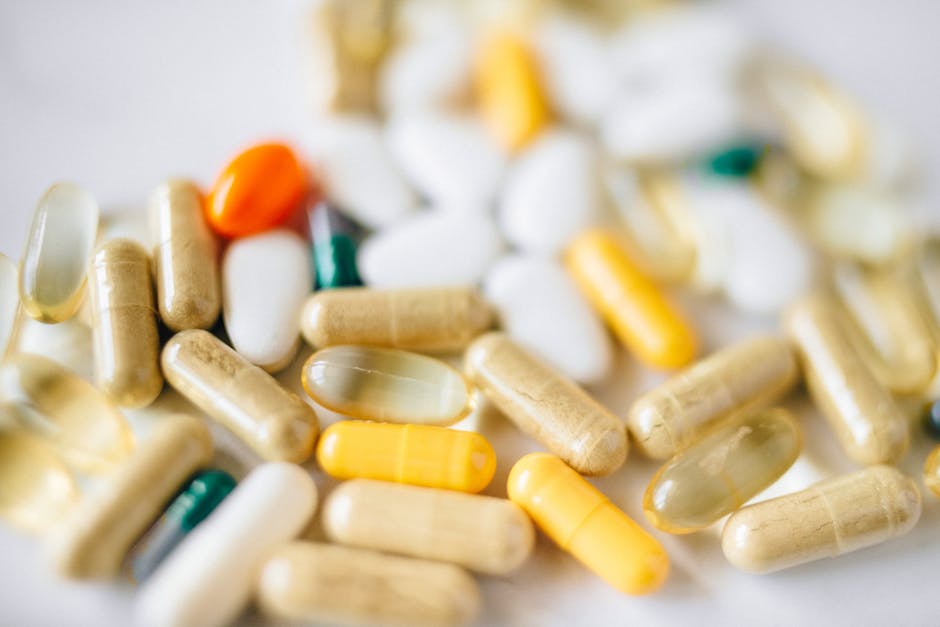
My eyes felt like they had been rubbed with medium-grit sandpaper for most of 2021. It wasn’t just the late nights working in my home office—which is basically a glorified closet with no windows—it was this persistent, dull ache behind my sockets that made me feel like I was aging at double speed. I’m not a doctor. I’m just a guy who stares at a monitor for nine hours a day and got tired of waking up with red, itchy ‘office eyes.’
I went down a rabbit hole. I bought the blue light glasses (useless), the $40 preservative-free drops (fine, but temporary), and eventually, a mountain of supplements. Most of what you read online about the best supplements eye health is written by people trying to sell you a subscription or by AI bots churning out medical jargon. I actually took this stuff. I tracked my ‘end-of-day blur’ on a scale of 1 to 10 for exactly 114 days. Here is what I learned, and some of it is probably going to annoy the ‘wellness’ crowd.
The only formula that actually has real data behind it
If you aren’t starting with the AREDS2 formula, you are basically throwing your money into a furnace. This isn’t a brand; it’s a specific ratio of ingredients tested by the National Eye Institute. It’s 500mg of Vitamin C, 400 IU of Vitamin E, 10mg of Lutein, 2mg of Zeaxanthin, 80mg of Zinc, and 2mg of Copper.
I started with a brand called PreserVision because that’s what every pharmacy carries. It works, but the pills are massive and they make me feel slightly nauseous if I don’t eat a full meal first. What I mean is—actually, let me put it differently. It’s the gold standard for a reason, but it’s not a magic pill that gives you 20/20 vision. It’s about not going blind when you’re 70. If you’re 30 and looking for a ‘limitless’ brain-eye connection, this isn’t it. But for actual structural protection? It’s the only thing with real legs.
The macula is like the expensive velvet lining of a jewelry box that gets threadbare over time; you’re just trying to keep the fabric from tearing.
The gummy vitamin industrial complex is a lie

I know people will disagree with me on this, and I know they’re convenient, but I refuse to buy gummy eye vitamins. I think they’re a complete scam. Take Nature’s Bounty or those generic store brands—they load them with sugar and corn syrup, which are inflammatory. Why would I take an inflammatory delivery system to try and fix inflammation in my retinas? It’s counterproductive and frankly, it feels like we’re treating adults like toddlers. If you can’t swallow a pill, maybe you don’t actually care about your macula.
I’ve bought the same $35 bottle of Thorne Ocu-Guard three times now. I don’t care if there are cheaper options. Thorne feels like a medical company, not a lifestyle brand. I hate the branding on Ocuvite—it looks like something my grandmother would keep next to her dentures, and for some reason, that makes me trust it less, even if the chemistry is fine. I told you I had biases.
My month of eating nothing but orange stuff
I once read that you could get all your Zeaxanthin from food. For three weeks in 2022, I tried to skip the supplements and just eat orange bell peppers, kale, and egg yolks every single day. By day 14, I was miserable. My kitchen smelled like a compost heap and my ‘blur score’ didn’t move an inch.
Anyway, that was a failure. But it taught me that Lutein is the one thing you actually feel. When I take a high dose (around 20mg), the ‘glare’ from oncoming traffic when I’m driving at night feels less sharp. It’s subtle. It’s not like turning on a light switch. It’s more like cleaning a window that you didn’t realize was smeared with bacon grease.
A quick list of what I actually noticed:
- Astaxanthin: I took 6mg daily for a month. It’s supposed to help with focus fatigue. I felt… nothing. Total waste of $25.
- Saffron: There is some weird, emerging research that 20mg of saffron helps with eye pressure. I tried it. It made my breath smell like a spice market, but didn’t do much for my dry eyes.
- Omega-3s: I take 2000mg of Nordic Naturals. This is the only thing that actually stopped the ‘sandpaper’ feeling. If your eyes are dry, it’s usually an oil problem, not a water problem.
The part the optometrist won’t tell you
I might be wrong about this, but I honestly believe most eye doctors are just glorified frame salespeople. I asked my last optometrist about Lutein ratios and he looked at me like I was asking for a prescription for magic beans. He just wanted to sell me the $200 blue-light coating on a new pair of Luxottica frames.
The supplement industry is messy, but the optical industry is a straight-up racket. They want you to have a slightly worse prescription every year so you keep coming back. Taking care of your own nutrition is the only way to play defense.
I tracked my vision clarity during a 90-day stint on a high-end Lutein/Zeaxanthin blend (I used MacuHealth, which is expensive as hell, about $90 for a 90-day supply). My ‘end-of-day blur’ dropped from a 7/10 to a 3/10. That’s not a placebo. I was working the same hours in the same crappy closet office.
It’s a total racket. But it works.
Final thoughts from a guy with tired eyes
I don’t think these pills are going to give me eagle vision. I’m still going to need glasses, and I’m still going to have days where I stare at a spreadsheet for too long and feel like my brain is melting. But there’s a certain peace of mind in knowing I’m not just letting my retinas rot because I’m too lazy to swallow a couple of capsules.
Is it possible I’m just paying for expensive pee? Maybe. But for the first time in years, I can drive home at 6 PM in the winter without squinting at every street lamp.
If you’re going to start, just buy the AREDS2 stuff and some high-quality fish oil. Don’t buy the gummies. Seriously, just don’t.
Do you think we’re all going to be legally blind by 60 because of these phones, or is the human eye more resilient than I’m giving it credit for?