

Many people buying a fitness tracker believe they’re purchasing motivation. They expect the device itself to magically transform their habits, push them to run marathons, or fundamentally change their diet. This is a common misconception.
A fitness tracker, especially a basic one, is not a personal trainer. It’s a data collection tool. It won’t force you off the couch. What it can do is provide objective information about your activity, sleep, and sometimes heart rate. This data, when interpreted correctly, can offer a crucial "jolt" of awareness. It shows you where you actually stand, not where you think you stand. This distinction is vital for setting realistic goals and making genuine progress. It’s about knowing your baseline, then deciding what to do with that knowledge. Without understanding this, even the most advanced device becomes just another gadget gathering dust.
The Myth of Instant Transformation
The biggest trap new tracker owners fall into is believing the device itself generates motivation. They see advertisements of people effortlessly hitting their goals, attributing success directly to the sleek wristband. This simply isn’t how behavior change works. A fitness tracker measures what you do; it doesn’t do it for you. Expecting an immediate, dramatic shift in lifestyle just because a gadget is on your wrist leads to frustration and ultimately, abandonment.
Think about it like a speedometer in a car. It tells you how fast you’re going, but it doesn’t make you drive faster or slower. That decision remains yours. Similarly, a fitness tracker tells you how many steps you’ve taken, how long you’ve slept, or what your resting heart rate is. It provides the raw numbers. The transformation comes from your consistent effort to analyze those numbers and adjust your daily routines accordingly. If you ignore the data or don’t know what to do with it, the tracker’s utility diminishes rapidly.
Understanding Your Role in Data Interpretation
For example, if your tracker shows you’re only getting 5 hours of sleep consistently, the device itself won’t make you go to bed earlier. It simply highlights the problem. Your job is to then investigate why this is happening – late-night screen time, caffeine, stress – and implement strategies to improve it. The tracker becomes a feedback loop, not an intervention. It’s a mirror reflecting your current habits, allowing you to identify patterns and areas for improvement. This active engagement with your data is where the real value lies, not in the mere act of wearing the device.
Why Data Alone Isn’t Enough
Another aspect of this myth is the belief that more data equals better health. While comprehensive metrics can be useful for advanced users or specific training goals, for most people seeking a "jolt" of health awareness, overwhelming data can be counterproductive. Too many graphs, obscure metrics, and complex algorithms can lead to analysis paralysis. A basic tracker, by focusing on core metrics, often provides a clearer, more actionable picture. It cuts through the noise, delivering the essential insights you need without making you feel like you need a data science degree to understand your own body. Simplicity, in this context, can often be more impactful than complexity, especially for those just starting their fitness journey.
What a "Jolt" Tracker Really Offers
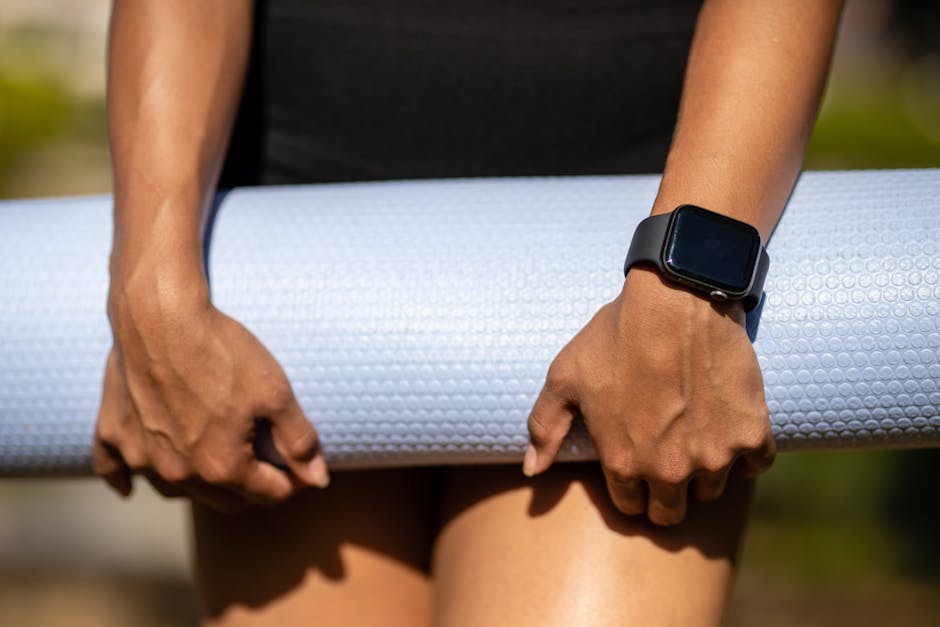
A basic, no-frills fitness tracker – what we’re calling a "jolt" tracker – strips away the fancy apps and extraneous features to focus on the essentials. It provides concise, actionable data that can offer immediate insights into your daily habits without overwhelming you. These devices are about giving you a quick, impactful understanding of your baseline health metrics, rather than a deep dive into physiological minutiae.
-
Core Activity Tracking (Steps, Distance, Calories)
The foundation of any basic fitness tracker is its ability to accurately count steps, estimate distance traveled, and calculate calories burned. This isn’t groundbreaking technology, but it’s incredibly effective for building awareness. Knowing your daily step count, for instance, provides an immediate benchmark. If you’re consistently hitting only 3,000 steps, that’s a clear "jolt" to incorporate more movement. Devices like the Xiaomi Mi Band 8 ($35-$50) excel at this, offering reliable step counting and basic calorie estimates without a hefty price tag. It gives you raw, honest numbers. You then decide whether to increase those numbers.
-
Basic Sleep Monitoring (Duration, Quality)
Most entry-level trackers can track your sleep duration and categorize sleep stages (light, deep, REM) to varying degrees of accuracy. While not medical-grade, this data offers valuable insights into your sleep patterns. A consistent record of poor sleep – say, averaging 4-5 hours a night – is a powerful "jolt." It prompts you to consider your bedtime routine, screen time before bed, or caffeine intake. The Fitbit Inspire 3 ($99-$110) offers solid sleep tracking for its price point, including a sleep score that gives a quick overview of your night’s rest.
-
Continuous Heart Rate Monitoring (Resting HR)
Many basic trackers now include continuous heart rate monitoring. For a "jolt" tracker, the most valuable metric here is your resting heart rate (RHR). A consistent RHR provides a good indicator of your general cardiovascular fitness and recovery. A sudden, unexplained jump in RHR could signal impending illness, overtraining, or increased stress – another immediate "jolt" to pay attention to your body. Trackers like the Huawei Band 8 ($50-$65) provide continuous heart rate data that’s generally accurate enough for personal trend analysis, allowing you to monitor changes over time and react appropriately.
Critical Tracking Features to Prioritize (And What to Skip)
When selecting a simple fitness tracker, my strong recommendation is to prioritize accuracy in core metrics over a long list of niche features you’ll rarely use. Many budget trackers try to pack in everything, but often sacrifice precision in the process. Focus on solid, reliable data for the fundamentals: steps, heart rate, and sleep. Everything else is secondary, and often just adds to the cost without enhancing true value for a basic user.
Essential: Accurate Step Counting and Distance Tracking
This seems obvious, but not all trackers are created equal. Some budget models can be overly generous with steps, while others might miss subtle movements. Look for trackers with a good track record for consistent step counting. For example, the Xiaomi Mi Band series, often available for under $50, has consistently performed well in independent tests for basic activity tracking, providing a reliable daily step count. This foundational data is your most direct feedback on daily movement. Without it, the rest of your activity metrics become less trustworthy, making it harder to gauge progress or identify sedentary patterns. Check recent reviews for consistency complaints before buying.
Non-Negotiable: Reliable Resting Heart Rate Monitoring
Your resting heart rate is a powerful, passive indicator of overall health and fitness. A tracker that provides consistent, believable RHR data throughout the day and night is far more valuable than one with fancy ECG features that only work periodically. The Fitbit Inspire 3, typically priced around $99, offers continuous heart rate tracking that is generally considered accurate enough for personal health monitoring. It shows trends effectively, which is what matters for a "jolt" device. This isn’t about medical diagnosis, but about identifying shifts in your baseline that might warrant attention, like prolonged stress or a developing cold.
Valuable, But Secondary: Sleep Duration and Basic Stage Tracking
Good sleep is fundamental to health. While advanced sleep labs offer precision, a basic tracker can still provide incredibly useful insights into your sleep duration and patterns. It won’t pinpoint every micro-awakening with clinical accuracy, but it can tell you if you’re consistently getting less than 7 hours or if your sleep is fragmented. The Google Pixel Watch 2, while more expensive at around $349, integrates excellent sleep tracking through Fitbit’s algorithms, which are renowned for their user-friendly insights. For a simpler option, the Amazfit Band 7 ($40-$60) also provides decent sleep stage breakdown and sleep scores. Prioritize a device that presents sleep data clearly, allowing you to quickly spot trends and make simple adjustments to your routine.
Avoiding Common Traps with Basic Models

Buying a basic fitness tracker can be a smart move if you know what you’re getting. However, it’s easy to fall into traps that lead to disappointment. Understanding these pitfalls will help you make a more informed choice and ensure your "jolt" tracker truly serves its purpose.
Are budget trackers just cheap imitations?
No, not necessarily. While some ultra-cheap, no-name brands on marketplaces might offer poor quality, reputable brands like Xiaomi, Amazfit, and even Fitbit (with their Inspire series) offer very capable basic trackers. The trap here isn’t the price point itself, but the expectation that a $30 tracker will perform like a $400 smartwatch. A good basic tracker focuses on doing a few things well, rather than many things poorly. For instance, the Xiaomi Mi Band series consistently delivers reliable step and heart rate tracking for its price. The materials and build quality might not feel as premium as a high-end device, but the core functionality for data collection is often solid.
Should I trust claims of "medical-grade accuracy" on cheap devices?
Absolutely not. This is a significant trap. Many inexpensive trackers make bold claims about advanced health monitoring, like ECG, blood pressure, or blood oxygen (SpO2) readings, often with questionable accuracy. For a true "jolt" tracker, these features are usually unreliable and should be viewed with extreme skepticism. If you need medical-grade accuracy for a specific health condition, consult a doctor and rely on certified medical devices, not a general consumer fitness tracker. For example, while many trackers, even affordable ones like the Huawei Band 8, include SpO2 sensors, their readings are best used for trend monitoring and not for diagnosing conditions like sleep apnea. Always prioritize trackers that are transparent about the limitations of their health features.
Is buying a tracker with a tiny screen a mistake?
It depends on your preference, but for a "jolt" tracker, a tiny screen often means less immediate information and more reliance on your phone app. While a small screen helps with battery life and reduces cost, it can hinder quick data checks. Imagine wanting to see your step count or heart rate at a glance – if the display is too small or requires complex navigation, the "jolt" of information is delayed. Look for a screen that’s large enough to display at least one key metric clearly. The Amazfit Band 7, for example, offers a relatively generous 1.47-inch AMOLED display for its price, making on-device data checks much more convenient than trackers with minuscule, monochrome screens. This reduces friction and encourages more frequent engagement with your data.
Comparing Entry-Level vs. Advanced Trackers (2026 Insights)
Understanding the fundamental differences between a simple "jolt" fitness tracker and a more advanced device is crucial for making the right purchase decision in 2026. While both aim to track your health, their capabilities, target users, and price points vary significantly. The "jolt" tracker focuses on core metrics with minimal fuss, while advanced models offer extensive data, smart features, and often, higher accuracy in specialized areas.
Here’s a breakdown comparing the two categories:
| Feature | Entry-Level "Jolt" Tracker (e.g., Xiaomi Mi Band 8, Fitbit Inspire 3) | Advanced Tracker / Smartwatch (e.g., Apple Watch SE 2, Garmin Forerunner 55) |
|---|---|---|
| Price Range (2026) | $30 – $120 | $150 – $400+ |
| Core Focus | Steps, basic heart rate, sleep duration. Provides quick awareness. | Comprehensive metrics, advanced analytics, GPS, training load, health trends, smart features. |
| Display | Small, often monochrome or basic color AMOLED. Limited on-screen data. | Larger, full-color, high-resolution AMOLED or LCD. Detailed on-screen metrics and app support. |
| Battery Life | Typically 7-14+ days. A major advantage. | 1-7 days (smartwatches usually 1-2 days, dedicated running watches longer). |
| GPS | Usually connected GPS (uses phone’s GPS). | Built-in GPS for accurate distance and pace tracking without a phone. |
| Smart Features | Basic notifications, music control (limited), alarms. | Full smartphone integration (calls, texts, app store, mobile payments), extensive music control, voice assistants. |
| Target User | Beginners, casual users, those seeking simple health insights. | Athletes, tech enthusiasts, users wanting detailed performance data and connectivity. |
| Advanced Health Metrics | Limited or unreliable (e.g., basic SpO2, no ECG). | ECG, accurate SpO2, skin temperature, advanced recovery metrics, fall detection. |
For someone just starting out or simply wanting a daily "jolt" of information, an entry-level tracker like the Fitbit Inspire 3 ($99) provides excellent value. It covers the essentials – steps, heart rate, sleep – with good accuracy and integrates well into the robust Fitbit ecosystem for data analysis. If you’re an avid runner needing precise GPS data for every workout, a Garmin Forerunner 55 ($199) is a better choice, offering built-in GPS and specialized running metrics. The key takeaway is to match the tracker’s capabilities with your actual needs, not just its price or feature list.
The True Value Proposition of Simple Tracking
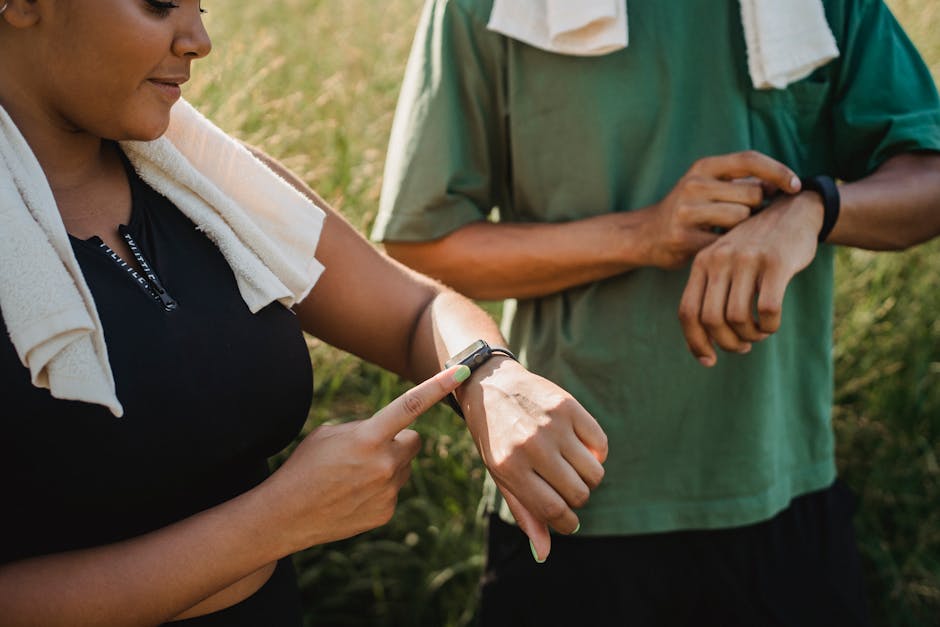
A basic fitness tracker, when approached with the right mindset, offers profound value. It’s not about achieving Olympic-level performance, but about fostering a deeper, more objective understanding of your own body and habits. The true "jolt" comes from the undeniable data. Seeing your average sleep dip below six hours, realizing you only hit 2,000 steps on a typical workday, or noting a consistent elevation in your resting heart rate can be a powerful catalyst for change. It provides the empirical evidence needed to challenge assumptions about your lifestyle. This awareness is the first, and often most difficult, step towards genuine health improvement. It empowers you to make informed decisions, not based on vague feelings, but on concrete numbers. Ultimately, a simple tracker is a tool for self-discovery and accountability, helping you build a healthier future one data point at a time.