

Two luchis fried in mustard oil with a bowl of aloo dum clocks in at roughly 480 calories — before chai. That figure surprises most people, because the meal looks modest. What surprises them more is that Bengali cuisine also contains some of the most protein-dense, fiber-rich breakfast ingredients in South Asian cooking. The gap between what Bengali food could be at 7am and what it typically is comes down to a handful of specific choices, not a wholesale rejection of the cuisine itself.
The problem isn’t the tradition. It’s three habits that compound quietly: refined maida instead of whole wheat, more frying oil than the dish needs, and a near-total absence of protein before noon.
Traditional Bengali Breakfasts Ranked by What They Actually Deliver
Before changing anything, look at the numbers. Most people underestimate how calorie-dense fried Bengali staples run, and overestimate how well lighter options like muri hold hunger past 10am.
| Breakfast Option | Approx. Calories | Protein (g) | Fiber (g) | Primary Issue | Verdict |
|---|---|---|---|---|---|
| Luchi (2) + Aloo Dum | 480–550 kcal | 7g | 3g | Refined maida, high oil absorption | Once a week maximum |
| Muri (1 cup) + Banana | 220–240 kcal | 4g | 2g | Low satiety, severe protein deficit | Add yogurt or egg to salvage it |
| Chira + Plain Doi + Banana | 300–340 kcal | 9g | 3g | Spikes if doi is sweetened | Good — use plain, not mishti doi |
| Sattu Sharbat (250ml) | 170–190 kcal | 10–12g | 4g | None significant | Best protein-to-calorie ratio available |
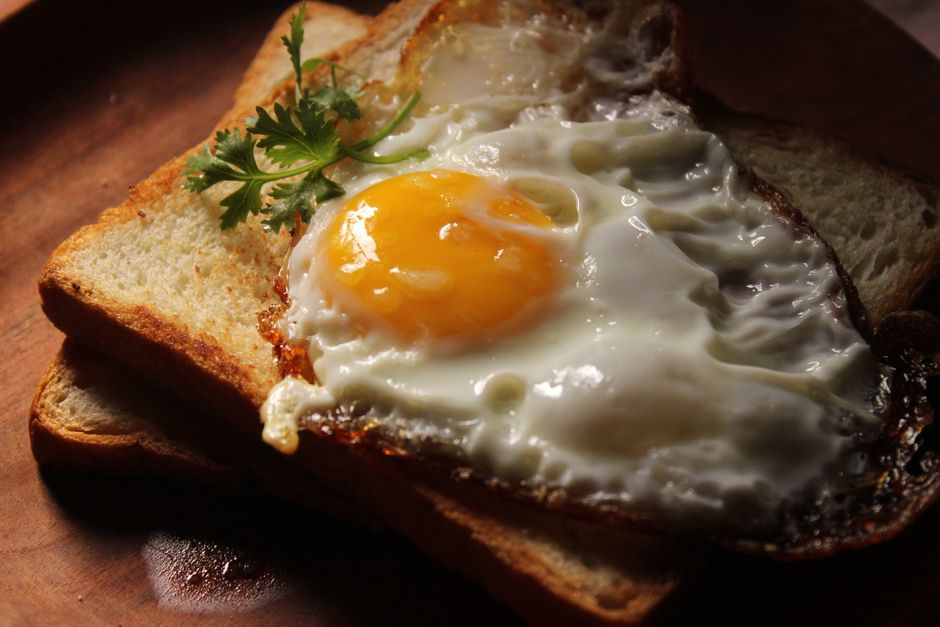
| Dim Bhaja (2 eggs) + Whole Wheat Roti | 360–400 kcal | 15g | 4g | Pan frying adds 60–80 kcal of oil | Strong daily choice, watch the oil |
| Moong Dal Khichuri (1 bowl) | 280–310 kcal | 11g | 5g | Rarely eaten at breakfast | Most nutritionally complete option |
Why Low-Protein Bengali Breakfasts Fail by 11am
Most traditional Bengali breakfasts deliver 4–7 grams of protein. That’s enough to technically break a fast. It is not enough to hold hunger past two hours. The result is a mid-morning energy dip that drives a heavier lunch — which compounds across the week into gradual weight gain, even when individual meal calories look reasonable on paper.
A functional breakfast needs 15–25 grams of protein to actually regulate appetite through the morning. Hitting that within Bengali food traditions is entirely doable. It requires knowing which ingredients carry the protein load and pairing them intentionally.
Muri’s Satiety Problem Is Real
Puffed rice has a glycemic index above 80 and almost no protein. It digests and clears the bloodstream in under 90 minutes. Haldiram’s bhel puri mixes and similar packaged muri blends marketed as light snacks compound the problem with added salt and refined oil coatings. If muri is a fixture in your morning, it needs a protein anchor — plain yogurt, a boiled egg, or sattu — or it’s just a placeholder that sets up a difficult mid-morning.
The Oil Problem in Bengali Breakfast Cooking
Mustard oil is the default cooking fat in Bengali kitchens. One tablespoon carries roughly 120 calories. A standard batch of luchi for a family of four uses 1.5 to 2 cups of oil in the kadai. Even accounting for what doesn’t absorb into the dough, each individual luchi soaks up 40–60 extra calories from frying. That’s not a judgment on mustard oil — cold-pressed mustard oil is genuinely high in monounsaturated fats and contains allyl isothiocyanate compounds linked to anti-inflammatory effects. The problem is volume, not the oil itself.
Swaps That Preserve the Flavor
For dim bhaja, use a non-stick pan with half a teaspoon of mustard oil instead of a full tablespoon. The flavor carries through. The calorie load drops by 70–80 calories per serving. For roti, dry-toast on a tawa and add a tiny amount of oil or ghee after cooking rather than during — you taste it without the full absorption.
Luchi is harder to modify. An air-fried version made with Aashirvaad Whole Wheat Atta (ITC’s whole wheat flour, available across India and in UK and North American Bengali grocery stores) cuts calories by roughly 35% per piece and increases fiber from under 1 gram to around 3 grams. It does not taste identical to a deep-fried maida luchi. For a weekday morning when function matters more than Sunday indulgence, it holds up.
What Switching from Maida to Whole Wheat Actually Changes
White maida carries a glycemic index of approximately 85. Whole wheat atta sits at 50–55. That 30-point gap determines how fast blood sugar rises after breakfast, which directly controls hunger response at 11am. Replacing maida with Aashirvaad or Patanjali whole wheat atta in roti-based mornings is not a cosmetic change — it shifts the physiological response to the entire meal. Blood sugar rises more slowly, stays stable longer, and the appetite signal that drives mid-morning snacking weakens noticeably within two to three weeks of consistent switching.
Five Bengali Breakfasts That Earn Daily Rotation
- Sattu Sharbat — Four tablespoons of roasted gram flour mixed into 250ml water with black salt, cumin powder, and fresh lemon juice. Patanjali Sattu Powder and Aashirvaad Sattu are both consistent quality options. Around 180 calories, 10–12 grams of protein, ready in under two minutes. Nothing else in Bengali breakfast tradition comes close on protein-to-time ratio.
- Chira with Plain Doi and Banana — Soak chira (flattened rice) for 10 minutes, drain, and combine with plain unsweetened yogurt and half a banana. Use Mother Dairy plain curd or Amul Dahi — not mishti doi. The yogurt contributes 8–10 grams of protein plus live cultures. Total comes to around 300–330 calories.
- Whole Wheat Roti with Baked Begun Bhaja — Slice eggplant into rounds, brush lightly with mustard oil, bake at 200°C for 20 minutes instead of pan-frying. Pair with two whole wheat rotis. Fat drops from 18 grams to under 7 grams per serving. The smoky bitterness of the brinjal survives baking well.
- Moong Dal Khichuri — Split yellow moong dal with rice in a 2:1 dal-to-rice ratio (dal-heavy). Turmeric, ginger, and a small tempering of cumin in half a teaspoon of oil. One bowl delivers 11 grams of protein, 5 grams of fiber, and keeps blood sugar steady for 3–4 hours. This is the most nutritionally complete breakfast Bengali cuisine offers.
- Dim Por with Brown Rice — A lighter egg curry with one egg per serving, tomato base, and minimal oil. Pair with half a cup of cooked brown rice from Daawat Brown Rice or India Gate Brown Rice. Protein reaches 14–16 grams; the brown rice swap reduces the glycemic spike by roughly 40% compared to white rice.
When to Take Luchi Off the Table Entirely
If you have insulin resistance, PCOS, or are actively working to lose weight, luchi should leave the weekday rotation completely — not for abstract health reasons, but because refined maida plus deep frying creates a blood sugar curve that works directly against those specific metabolic goals. Sunday is fine. Tuesday morning before work is not.
Answers to the Questions Bengali Households Actually Ask
Is muri a healthy breakfast on its own?
No. Muri alone is a snack performing as a meal. It clears your system in 90 minutes, delivers under 5 grams of protein, and leaves you genuinely hungry before mid-morning. Paired with plain doi and a protein source, it becomes a reasonable light option. Alone, it’s not a foundation for the morning.
Can mishti doi count toward morning protein?
Mishti doi contains 15–25 grams of added sugar per standard serving depending on the preparation. The sugar load neutralizes a meaningful portion of the probiotic and protein benefit you’re looking for. Use Mother Dairy plain curd or Amul Dahi instead. Add a teaspoon of raw honey if you need sweetness — you control the amount, and raw honey carries trace antioxidants that refined sugar does not.
What is the fastest Bengali breakfast under 300 calories with real protein?
Sattu sharbat, without qualification. Four tablespoons of Patanjali Sattu Powder, 250ml water, black salt, lemon. Two minutes, 180 calories, 10 grams of protein. If you want something chewable, chira soaked in plain Mother Dairy curd with half a banana runs 300–320 calories with 9 grams of protein and takes five minutes.
For most people eating a Bengali diet, the fastest meaningful upgrade is two changes made consistently: replace luchi with whole wheat roti on weekday mornings, and attach one protein source — egg, sattu, or plain doi — to whatever you are already eating. Those two adjustments alone shift a Bengali breakfast from a carbohydrate spike into a meal that actually supports the next four hours.
Medical Disclaimer: This content is for informational purposes only and does not constitute medical advice. Always consult a qualified healthcare professional before making health-related decisions.