

Two bikes. Roughly the same floor space. A cost gap that looks manageable on the hardware tag but grows considerably once subscriptions enter the picture. If you have narrowed your decision to the Peloton Bike and the Echelon Connect EX-5s, this comparison runs the real numbers and gives you a straight answer on which one fits which buyer.
Side-by-Side Specs: Start Here
| Feature | Peloton Bike | Echelon Connect EX-5s |
|---|---|---|
| Price (2026) | $1,445 | $999 |
| Screen Size | 21.5″ HD touchscreen | 21.5″ HD touchscreen |
| Resistance Levels | 100 magnetic levels | 32 magnetic levels |
| Weight Capacity | 297 lbs | 300 lbs |
| Monthly Subscription | $44/month (All-Access) | $34.99/month (Premier) |
| Screen Rotation | No (Bike+: Yes at $2,495) | Yes, standard |
| Dimensions | 59″ x 22″ | 54″ x 20″ |
| Connectivity | ANT+, Bluetooth | Bluetooth 5.0 |
| Pedals Included | Delta-clip only | SPD + toe cage (dual-sided) |
Two things jump out immediately. First, the resistance gap — 100 levels versus 32 — sounds dramatic but most riders will not feel a meaningful difference during a class. Where it matters is for competitive cyclists tracking power output and cadence precision. Second, screen rotation: that feature requires a Peloton Bike+ upgrade to $2,495, but it comes standard on the EX-5s at $999. If you want to follow off-bike workouts — abs, stretching, strength — on the same display, Echelon wins this point without a fight.
The pedal difference is practical and often overlooked. Echelon’s dual-sided pedals work with regular athletic shoes on day one. Peloton ships Delta-clip pedals only. You will need cycling shoes or a $30 adapter before your first Peloton ride.
What 12 Months Actually Costs You

Run the numbers across three years and the financial gap between these two bikes widens considerably.
- Peloton Bike Year 1: $1,445 hardware + $528 subscription (12 months) = $1,973
- Peloton Years 2 and 3: $528/year in subscription only
- Peloton 3-Year Total: $3,029
- Echelon EX-5s Year 1: $999 hardware + $419.88 subscription (12 months) = $1,418.88
- Echelon Years 2 and 3: $419.88/year in subscription only
- Echelon 3-Year Total: $2,258.64
That is a $770 difference over three years — and that is before factoring in any sales on Echelon hardware, which routinely drops to $799 during promotional periods. Both memberships cover unlimited household users, so this math holds whether one person rides or four.
One important detail: Peloton offers financing through Affirm, which spreads the hardware cost into monthly payments. That can make the bike feel more accessible in the short term but does not reduce the total cost. Always add the subscription into any financing comparison before signing up. A $45/month hardware payment plus a $44/month subscription adds up fast.
Ride Feel, Build Quality, and Noise
The Peloton Bike rides better. That is the honest answer. The flywheel is heavier, frame flex during a standing sprint is minimal, and the overall construction has a premium solidity that justifies part of the price gap. The EX-5s at $999 is not a flimsy machine — it handles most workouts confidently — but experienced cyclists who switch between the two will feel the difference in flywheel momentum and frame rigidity during hard Zone 4 efforts.
Noise During a Hard Effort
Both bikes use magnetic resistance, so neither produces the friction-on-felt grinding of older indoor trainers. At full effort, both are quiet enough for apartment use. Peloton’s belt drive is marginally quieter than Echelon’s chain drive, but the difference is not meaningful enough to drive a purchase decision either way.
Fit Range and Adjustability
Both bikes adjust on four axes: seat height, seat fore/aft, handlebar height, and handlebar fore/aft. Both accommodate riders from approximately 4’11” to 6’5″. This is a genuine wash. Do not let any review sell you a fit advantage that does not exist for riders within this shared range.
The Saddle Reality
Neither stock saddle is comfortable for rides over 25 minutes. Budget $30 to $60 for a padded seat cover or aftermarket saddle regardless of which bike you choose. Peloton and Echelon are equally uncomfortable out of the box on this point — it is not a differentiator.
Class Libraries: Where the Gap Is Real

Peloton launched in 2014. Echelon launched in 2017. That three-year head start, combined with a substantially larger content budget, shows in the catalog depth.
Peloton’s Content Catalog in 2026
Peloton offers over 30,000 on-demand classes spanning cycling, strength, yoga, walking, running, stretching, and meditation. Live cycling classes run multiple times daily with real-time leaderboard integration. Instructors like Cody Rigsby (pop and theme rides), Emma Lovewell (endurance), and Matt Wilpers (power zone training) have large dedicated followings. Riding a live class with 1,200 other people on the leaderboard pushes harder than riding with 80 — this is a real psychological effect, not marketing copy.
Echelon’s Content Catalog in 2026
Echelon offers around 3,000+ cycling classes and roughly 5,000 total across disciplines. Quality has improved meaningfully since 2026, and several Echelon instructors are genuinely good. But sheer volume matters at high ride frequency. Riders doing five sessions per week will cycle through Echelon’s back catalog noticeably faster than Peloton’s. For someone riding three times a week with a preferred instructor or two, Echelon’s library is more than sufficient. The gap only becomes a real problem when you want variety at scale — theme rides, power zone progressions, discipline-specific recovery sessions.
Clear verdict here: if ride frequency is four or more times per week and content variety matters to you, Peloton’s library is meaningfully better. Below that threshold, Echelon is adequate.
Peloton’s Software Is the Clearest Performance Advantage
Side by side, Peloton’s interface is faster, cleaner, and more refined than Echelon’s. The in-class metrics display, the gamified leaderboard, and the seamless navigation between content types are meaningfully better. Echelon’s software works — it is not broken — but the gap is real. No firmware update will close it quickly.
When Echelon Makes More Sense Than Peloton
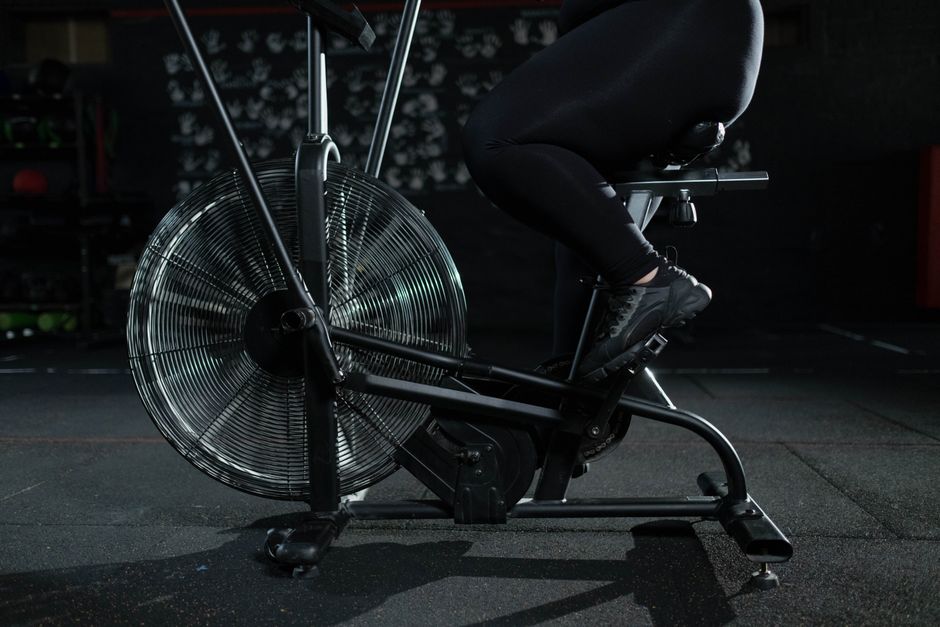
Before spending $1,445 on the Peloton Bike, check this list honestly:
You Ride Three Times a Week or Fewer
Peloton’s class library and software premium only pays off at high ride frequency. At two to three rides per week, you are paying for content depth you are not consuming. The EX-5s delivers 85 to 90 percent of the experience at significantly lower cost. The math does not favor Peloton at that usage level.
You Want Off-Bike Workout Flexibility on the Same Screen
The EX-5s screen rotates so you can follow strength, yoga, or core classes while standing beside the bike. The standard Peloton Bike screen does not rotate. To get that feature from Peloton, you are looking at the Peloton Bike+ at $2,495 — a $1,496 premium over the EX-5s for one rotating screen. That math heavily favors Echelon for buyers who want a multipurpose fitness display.
You Are Already Invested in Third-Party Fitness Platforms
Echelon pairs more cleanly with Zwift and Apple Fitness+ for cycling metrics. Peloton’s ecosystem is deliberately closed — the bike is built to work within Peloton’s own app, and the company has historically resisted third-party connectivity. If you are already using another platform, Echelon is the cleaner fit.
Budget Is a Real Constraint
A $446 hardware price difference plus $108 in annual subscription savings adds up to real money over time. If choosing Peloton requires financing that stretches you past your comfort zone, buy the Echelon outright and invest the savings elsewhere. A bike you own without financial stress beats a premium bike that generates monthly anxiety.
Final Verdict by Rider Type
| If You Are… | Buy This | Why |
|---|---|---|
| Riding 4+ times/week, want content variety | Peloton Bike ($1,445) | 30,000+ classes, best leaderboard, superior software |
| Budget-focused, riding 2-3x/week | Echelon EX-5s ($999) | Saves $770+ over 3 years, solid hardware for the price |
| Want off-bike workouts on same screen | Echelon EX-5s ($999) | Rotating screen standard; Peloton requires $2,495 upgrade |
| Serious cyclist training with power data | Peloton Bike ($1,445) | 100-level resistance granularity, precise output tracking |
| Using Zwift or Apple Fitness+ | Echelon EX-5s ($999) | Open third-party connectivity vs. Peloton’s closed system |
Both bikes deliver real fitness results. The Peloton charges a premium for the experience of getting there. The Echelon charges for hardware and leaves your budget room to breathe.
Medical Disclaimer: This content is for informational purposes only and does not constitute medical advice. Always consult a qualified healthcare professional before making health-related decisions.