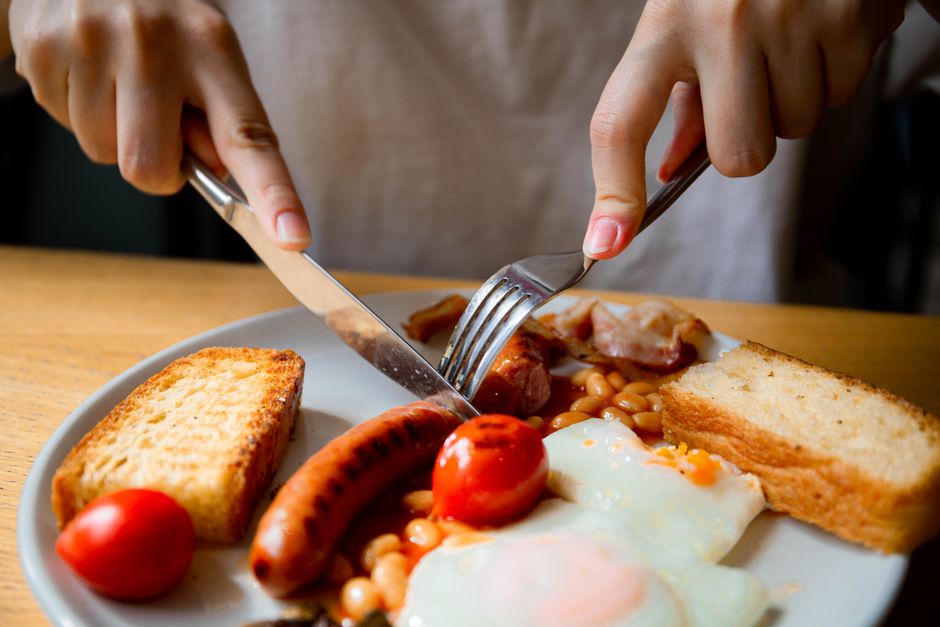
Two large eggs provide only about 12 grams of protein. That explains why an egg-only breakfast can leave you hungry before lunch, even when the plate looks filling. The faster fix is not cooking six different recipes. It is combining one reliable protein base with a ready-to-eat carbohydrate, fruit, and a small amount of fat. This guide builds that system around an 18-minute Sunday routine, with clear product picks, realistic prices, storage limits, and mistakes that make breakfast prep fail.
Why a 20-minute breakfast system works
Protein solves the weak point in rushed mornings
Breakfast prep exists to remove decisions, not to turn Sunday into a cooking marathon. A useful target for many adults is roughly 25 to 35 grams of protein at breakfast, although calorie needs, age, activity, and medical conditions change that number. The target matters because a bowl of toast and fruit may deliver energy but little staying power. Adding yogurt, cottage cheese, eggs, or a measured protein powder serving gives the meal a stronger base.
Build around mix-and-match parts
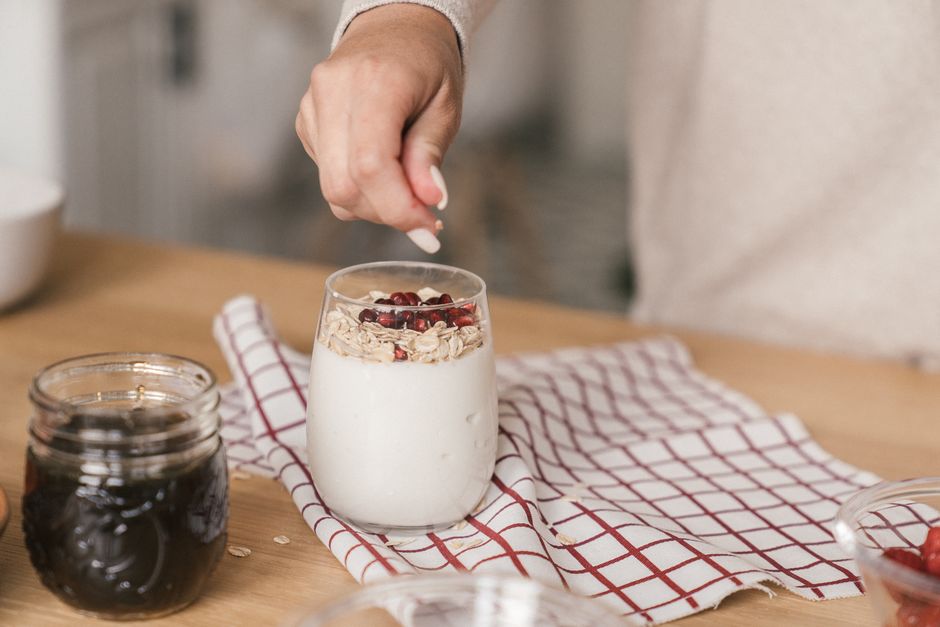
The best system uses three parts: a protein anchor, a carbohydrate that reheats or stores well, and a flavor component such as fruit, cinnamon, salsa, or nut butter. Make two parts ahead and add the third at serving time. This keeps texture better than sealing a complete bowl for five days. It also lets one batch become several breakfasts instead of forcing you to eat the same recipe every morning.
My verdict: the winning approach is modular prep. It takes less time, creates less food waste, and survives a late start better than a large cooked casserole.
What to buy for fast, high-protein breakfasts
Best dairy bases
Oikos Triple Zero Greek Yogurt is the easiest single-serve option. A 5.3-ounce cup provides 15 grams of protein, has 0 grams of added sugar, and typically costs about $1.50 per cup. Choose it for grab-and-go breakfasts, not for people who dislike nonfat texture or stevia.
Good Culture Simply Cottage Cheese is the stronger bulk option. Its 16-ounce tub lists 14 grams of protein per serving, and a typical tub costs about $4.99. It works in oats, egg cups, smoothies, and savory bowls. Pick it when you want a creamy base with more flexibility than yogurt.
Best dry mix and powder
Kodiak Buttermilk Power Cakes cost about $6.45 for a box and provide 15 grams of protein per serving. They are the best choice for freezer-friendly pancakes. Orgain Organic Protein costs $37.99 for a 2.03-pound canister and provides about 21 grams of protein per serving. Choose Orgain when speed matters more than chewing. Avoid buying both until you know which breakfast format you will actually repeat.
How to finish Sunday prep in 18 minutes
Minutes 0 to 5: set up the protein
- Place five containers on the counter and label them Monday through Friday.
- Portion yogurt or cottage cheese into four containers. Leave one serving separate if you expect a rushed Monday.
- Whisk six eggs with a pinch of salt, pepper, and chopped vegetables. Pour the mixture into a greased muffin tin or small baking dish.
Minutes 6 to 18: add the parts that last
- Mix five dry oat portions using rolled oats, cinnamon, chia seeds, and a small amount of chopped nuts. Keep milk or yogurt separate until serving.
- Cook the eggs until firm, then cool them before sealing. Cut fruit only for the next two days; store later fruit whole.
- Add one carbohydrate portion to each container. Use oats, whole-grain toast, a cooked potato, or a pancake. Put wet toppings in small separate cups.
- Refrigerate everything within two hours. Eat cooked egg dishes within three to four days and keep the fifth breakfast shelf-stable or assemble it fresh.
The key time saver is sequencing. Start the eggs first, portion cold ingredients while they cook, and wash the pan as soon as it cools.
My product picks for three breakfast formats
For the fastest cold breakfast, choose Oikos Triple Zero. The 15-gram protein cup needs no weighing, blending, or reheating. Add oats, berries, and pumpkin seeds to reach a more complete meal. Its weak point is texture: nonfat yogurt can taste thin, and sweetener may bother some people.
Best for creamy bowls: Good Culture cottage cheese
Good Culture wins for people who want one tub to serve several recipes. Blend it with fruit for a smooth bowl, stir it into oats, or season it with pepper and tomatoes. The 14-gram protein serving makes it easier to reach a 25-gram breakfast target without using powder. Its 16-ounce size also creates less packaging than individual cups.
Best for freezer breakfasts: Kodiak Power Cakes
Choose Kodiak when you want something warm and portable. Cook a batch, cool the pancakes on a rack, and freeze them with parchment between pieces. Reheat two pancakes in a toaster or microwave. The mix supplies 15 grams of protein per serving, but the final meal still needs yogurt, eggs, or milk if you want more protein.
Best for a shake: Orgain Organic Protein
Orgain is my pick for mornings when chewing feels impossible. One serving adds about 21 grams of protein and blends into oats or a smoothie. It costs more upfront than yogurt, and plant-based powder can taste gritty if you use too little liquid. Use it when portability justifies the price, not as a default replacement for every whole-food meal.
How much protein should breakfast contain?
A practical target beats a perfect target
A 25 to 35 gram breakfast gives many adults a useful starting point, but no single number fits everyone. Someone with a small appetite may prefer 20 grams. Someone training hard, recovering from illness, or eating fewer total meals may need more. Body size, total daily intake, age, activity, and dietary pattern all matter. The goal is to make breakfast substantial enough to support the rest of the day, not to win a protein contest.
Pair protein with food that does another job
Protein alone does not make a balanced breakfast. Oats and fruit bring carbohydrate and fiber. Nuts and seeds add fat, texture, and calories. Vegetables add volume and micronutrients. This matters during prep because a very lean, sweet protein bowl may look healthy but leave you searching for snacks two hours later. Add enough food to match the morning ahead.
Check labels instead of trusting front-of-package claims. Compare protein per serving, added sugar, saturated fat, sodium, and serving size. A product claiming “high protein” may still provide only 10 grams in a tiny portion. If a clinician has told you to limit protein because of kidney disease or another condition, follow that plan rather than using a general breakfast target.
My verdict: aim for a repeatable protein range, then judge the meal by hunger, energy, and total diet. More protein is not automatically better.
Common prep mistakes and when not to batch cook
Why does prepared breakfast become watery?
Wet ingredients break down dry ingredients during storage. Yogurt turns oats soft, cut strawberries release liquid, and salt pulls water from vegetables. Keep crunchy toppings, milk, salsa, and delicate fruit separate until serving. This small change often improves the meal more than changing the recipe.
Why does the food spoil before Friday?
People often cook five refrigerated breakfasts on Sunday and assume the calendar will cooperate. Cooked eggs, dairy, and cut fruit have limited storage windows. Make three refrigerated meals, freeze pancakes or breakfast sandwiches, and leave one meal for fresh assembly. Cool food quickly, use clean containers, and keep the refrigerator at 40°F or below.
When should you skip batch prep?
Skip a five-day batch if your schedule changes often, your household dislikes leftovers, or you have no freezer space. Buy single portions and assemble breakfast in three minutes instead. Skip a high-protein product if its price, flavor, or sweetener makes you stop eating it. A simple egg, toast, and fruit breakfast that you actually prepare beats an expensive powder that stays unopened.
Best weekly plan at a glance
The clearest choice for each type of morning
There is no prize for making the most complicated breakfast. Choose the format that matches the failure you usually face. If you skip breakfast because you are late, use a cold cup or shake. If you dislike sweet food, prep eggs and savory cottage cheese. If you want a warm breakfast, freeze pancakes instead of storing them in the refrigerator all week.
| Morning problem | Best format | Protein base | Prep time | Main tradeoff |
|---|---|---|---|---|
| No time to sit down | Grab-and-go bowl | Oikos Triple Zero, 15g per cup | 5 minutes | Nonfat texture and sweetener |
| Want one bulk ingredient | Creamy bowl or oats | Good Culture cottage cheese, 14g per serving | 8 minutes | Needs flavor additions |
| Craving a warm breakfast | Freezer pancakes | Kodiak Power Cakes, 15g per serving | 18 minutes | Needs a second protein source |
| Breakfast must be drinkable | Shake or blended oats | Orgain Organic Protein, about 21g per serving | 3 minutes | Higher upfront cost |
For most busy households, the strongest weekly setup is three cold bowls, one frozen pancake breakfast, and one fresh egg meal. That mix keeps the Sunday workload under 20 minutes while giving you different textures and flavors. The best high-protein breakfast prep is the one that remains easy on Thursday, not the one that looks impressive on Sunday.
Medical Disclaimer: This content is for informational purposes only and does not constitute medical advice. Always consult a qualified healthcare professional before making health-related decisions.