Holiday eating does not need a punishment plan in January. The better move is a return to regular meals built around vegetables, beans, whole grains, fruit, eggs, fish, poultry, nuts, and plain dairy.
What does a whole-food January plate look like?
The basic plate formula
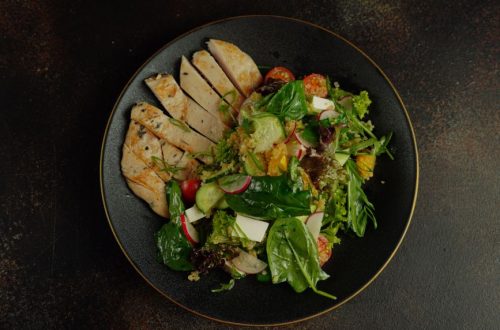
The best January plate is balanced, not extreme. Fill about half the plate with vegetables or fruit, one quarter with a protein-rich food, and one quarter with a whole-grain or starchy food. Add a small amount of unsaturated fat, such as olive oil, avocado, seeds, or walnuts. This structure gives the meal enough volume, protein, fiber, and energy to keep you satisfied without turning lunch or dinner into a math exercise.
A whole-food meal does not need to be expensive or elaborate. Lentils with roasted carrots and brown rice meet the basic standard. So do eggs with spinach and whole-grain toast. Frozen vegetables, canned beans, plain oats, potatoes, apples, and cabbage are useful because they last longer than delicate produce and work across several meals.
A practical portion guide
| Meal example | Main foods | Approximate protein | Approximate fiber |
|---|---|---|---|
| Oatmeal breakfast | 1/2 cup dry oats, 3/4 cup plain yogurt, berries, 1 tablespoon walnuts | 20 to 25 grams | 8 to 10 grams |
| Lentil lunch | 1 cup cooked lentils, 2 cups greens, 1/2 cup quinoa, olive oil dressing | 22 to 27 grams | 16 to 20 grams |
| Chicken dinner | 4 ounces chicken, 1 medium potato, 2 cups roasted vegetables | 30 to 35 grams | 7 to 10 grams |
| Bean taco bowl | 1 cup black beans, brown rice, peppers, salsa, avocado | 18 to 23 grams | 15 to 18 grams |
These numbers are planning estimates, not medical targets. The clear winner for most people is a plate that includes a protein source and a high-fiber plant food at every main meal. That combination is more useful than chasing a perfect calorie number.
How much should you change after the holidays?
The strongest reset is a small one
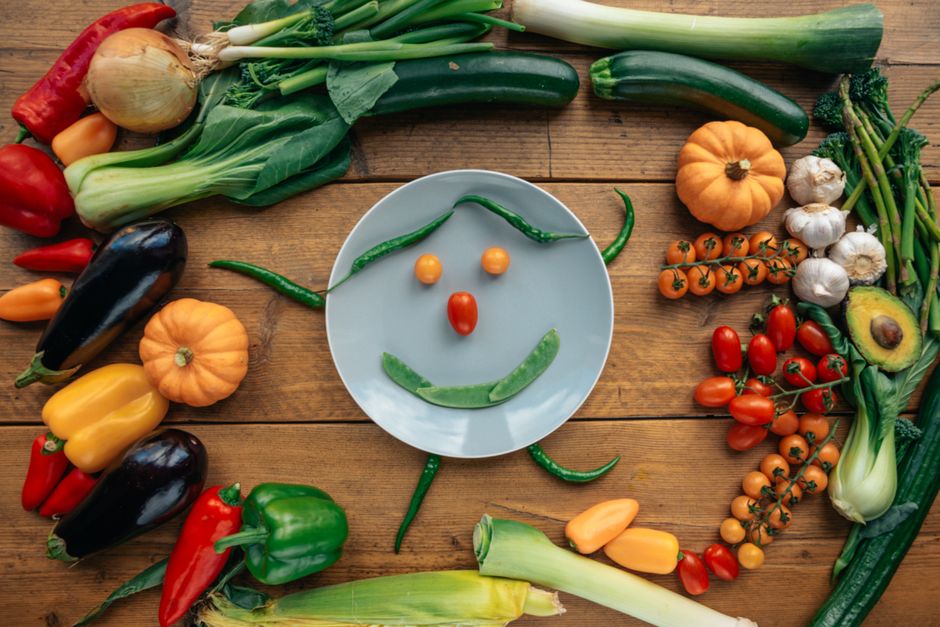
Do not answer a month of rich meals with a month of restriction. Make three changes for the first week: eat at roughly regular times, include a vegetable or fruit at two meals each day, and replace sugary drinks with water, sparkling water, unsweetened tea, or coffee. Those changes can lower the amount of added sugar and highly processed food in your routine without creating the hunger that often drives late-night snacking.
Why gradual changes work better
A January plan fails when it asks for a completely new life on Monday morning. Skipping breakfast, banning bread, removing every dessert, and exercising hard at the same time creates a short window of control followed by rebound eating. A steadier plan keeps one familiar food in each meal and improves the rest. Keep the pasta, but add white beans and spinach. Keep the sandwich, but use a whole-grain roll and add a side of fruit. Keep dessert, but serve one portion after dinner instead of grazing from a box.
The verdict is simple: aim for consistency over correction. If a person has diabetes, kidney disease, a history of disordered eating, food allergies, or another condition that changes dietary needs, a registered dietitian or clinician should shape the plan. Whole foods are useful, but they are not a universal prescription.
How can you build simple January meals from whole foods?
Start with four repeatable building blocks
Build meals from components instead of recipes. Cook one grain or starchy base, one protein, two vegetables, and one sauce or topping. For example, make brown rice, roasted chicken thighs, broccoli, carrots, and a lemon-yogurt sauce. During the week, combine those foods in bowls, wraps, salads, or plates. The same approach works with lentils, baked potatoes, eggs, tofu, fish, or beans.
- Choose one protein: eggs, lentils, chickpeas, tofu, chicken, canned tuna, salmon, or plain Greek yogurt.
- Choose one filling carbohydrate: oats, potatoes, brown rice, barley, quinoa, whole-grain bread, or corn tortillas.
- Add two plants: use one fresh or frozen vegetable and one fruit, leafy green, bean, or soup vegetable.
- Finish with flavor: use salsa, garlic, lemon, vinegar, herbs, spices, tahini, or a measured spoonful of olive oil.
Use a two-hour weekly prep window
Set aside about 90 to 120 minutes once or twice a week. Roast a sheet pan of vegetables at 425°F for 25 to 35 minutes. Cook a pot of lentils or brown rice while the oven runs. Hard-boil six eggs, wash salad greens, and portion nuts into small containers. Keep sauces separate so vegetables and grains do not become soggy. Label leftovers with the cooking date and use most cooked foods within three to four days.
The main failure mode is over-prepping food nobody wants to eat. Do not cook seven identical containers of plain chicken and rice if that combination already feels dull. Prep ingredients with different uses instead. A tray of roasted vegetables can become a breakfast hash, soup filling, grain-bowl topping, or taco ingredient. Variety comes from the final combination, not from making seven separate recipes.
Which January meal templates work on busy days?
Fast breakfasts and lunches
For busy mornings, overnight oats are the best low-effort choice. Combine 1/2 cup Quaker Old Fashioned Oats, 3/4 cup plain Greek yogurt, 1/2 cup milk, cinnamon, and frozen berries in a jar. A 42-ounce container of Quaker Old Fashioned Oats often works as a roughly $5 planning item in a U.S. grocery budget, though local prices vary. The meal takes five minutes to assemble and supplies a useful mix of carbohydrates, protein, and fiber.
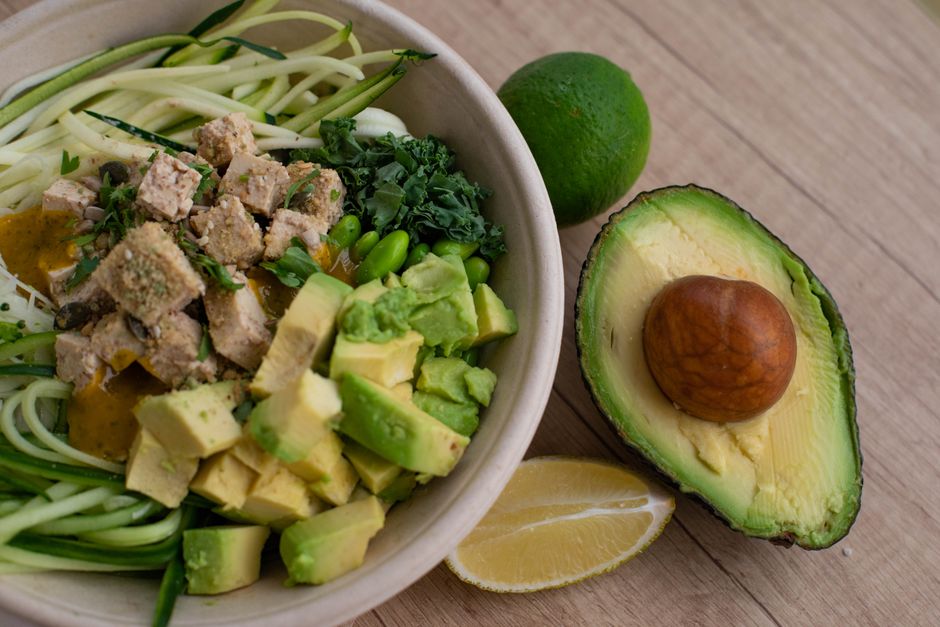
For lunch, use a bean bowl or a whole-grain wrap. A bowl with 1 cup Goya Low-Sodium Black Beans, 1/2 cup brown rice, frozen peppers, salsa, and avocado needs little cooking. A standard 15.5-ounce can of Goya Low-Sodium Black Beans commonly fits a $2 budget estimate. Rinse canned beans to remove some of the surface sodium, then season them with cumin, garlic, and lime.
Simple dinners with a clear budget
For dinner, make a large pot of lentil soup, a sheet-pan chicken meal, or a baked potato bar. Lundberg Family Farms Organic Brown Rice, sold in a 32-ounce package that may cost about $6, can serve as a planning example for grain-based meals. Fage Total 0% Greek Yogurt in a 32-ounce container may cost about $7 and can work at breakfast, as a sauce base, or with fruit for dessert. These figures are rough grocery-budget examples, not fixed price claims. This is not financial advice; it is a practical food-budget illustration.
| Time available | Meal template | Best use |
|---|---|---|
| 5 minutes | Greek yogurt, oats, banana, walnuts | Breakfast or late snack |
| 15 minutes | Black beans, rice, salsa, greens, avocado | Lunch |
| 30 minutes | Sheet-pan chicken, potatoes, broccoli | Family dinner |
| 45 minutes | Lentil soup with whole-grain bread and fruit | Batch cooking |
The clear recommendation is to keep two emergency meals available at all times. Frozen vegetables with eggs and toast can prevent takeout. Canned beans with rice and salsa can prevent skipping lunch. A plan that works on a tired Tuesday beats a more impressive plan that requires special ingredients.
What mistakes make healthy January eating fail?
Do I need to remove sugar, bread, or all processed food?
No. The better target is the pattern of the week. A sweet food can fit after a balanced meal. Bread can provide useful energy, especially when paired with eggs, beans, tuna, or vegetables. Some processed foods, such as frozen vegetables, canned fish, plain yogurt, and canned beans, make whole-food eating easier rather than worse. The mistake is treating one ingredient as the cause of every problem.
Why am I still hungry after eating healthy meals?
The meal may lack enough protein, fiber, fat, or total energy. A salad with a few vegetables is not a complete lunch for many people. Add beans, chicken, tofu, eggs, tuna, lentils, or a grain-based side. If hunger returns after an hour, increase the portion of the main foods before adding more rules. The goal is a meal that carries you to the next planned eating time.
When should I change the plan?
Change it when the plan creates repeated headaches, dizziness, intense cravings, poor sleep, or anxiety around food. Also change it if the grocery bill, cooking time, or cleanup makes the routine impossible. A January plan should reduce friction, not create a new source of stress. The winning version is specific: three regular meals, one or two planned snacks if needed, protein and plants at main meals, and enough flexibility to keep the routine through February.
Always consult a qualified healthcare professional before making health-related decisions.