

Summer fruit adds water, fiber, vitamins, and color to meals without much cooking. The easiest plan is to keep two ready-to-eat fruits in the kitchen, pair fruit with a meal or snack, and use frozen or canned options before fresh produce spoils.
Why whole fruit works better than juice
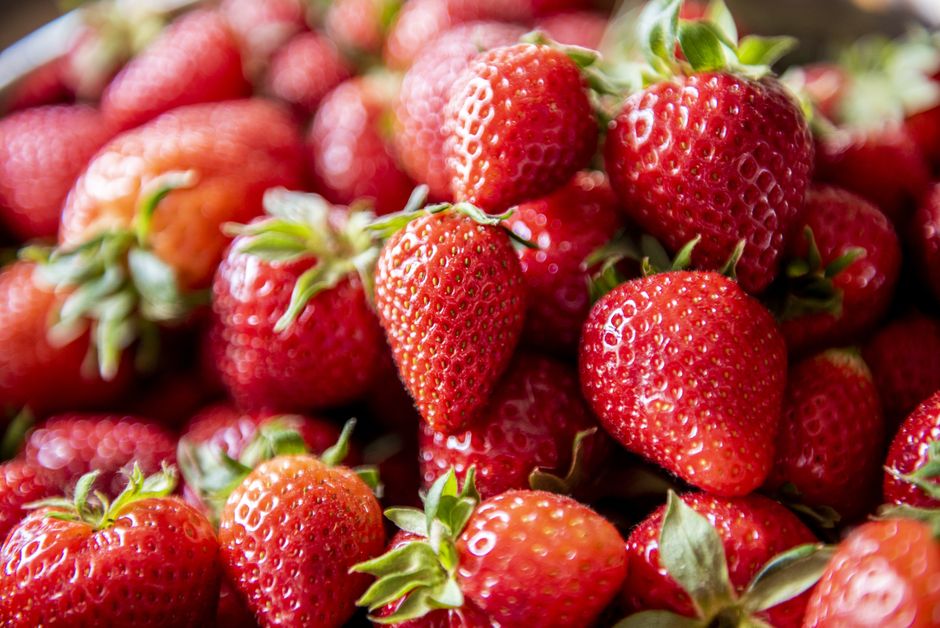
Whole fruit solves two problems at once: it provides sweetness and it slows eating with chewing and fiber. That combination makes a piece of fruit more filling than a glass made from several fruits.
Fiber changes the eating experience
Fiber adds bulk and slows the movement of food through the digestive system. A cup of sliced strawberries has roughly 3 grams of fiber, while the same volume of strawberry juice has little or none unless the pulp remains. Fiber also supports regular bowel movements and helps people build meals that feel satisfying.
Fruit also contains water inside its natural structure. A peach or orange takes time to eat, while juice can be finished in seconds. That speed makes it easy to drink more energy than intended, especially when the juice contains several servings per bottle.
What juice leaves out
Juicing removes much of the pulp and makes portion control harder. It does not make fruit dangerous, but it changes the food. If you want juice, pour a small glass of about 120 milliliters and drink it with a meal. For daily eating, choose a whole peach, a bowl of berries, or melon cubes instead. The clear verdict is simple: use whole fruit as your default and juice as an occasional drink.
How to build a 10-minute summer fruit routine
The best routine is the one that removes decisions. Buy one fruit that needs no preparation, one fruit that keeps well frozen, and one fruit that can become part of a meal.
A simple shopping list
- Choose one ready-to-eat option, such as bananas or grapes.
- Choose one berry. Driscoll’s Strawberries are commonly sold in a 1-pound clamshell, while Wyman’s of Maine Frozen Wild Blueberries come in a larger freezer bag for smoothies and oatmeal.
- Choose one cuttable fruit, such as peaches, nectarines, melon, or mango.
- Keep one backup option. Dole Frozen Mango Chunks are sold in a 16-ounce bag and can go straight into a blender or bowl.
The 10-minute assembly
Wash berries and grapes when you bring them home only if you can dry them fully; otherwise, wash them just before eating. Cut one peach or a quarter of a small melon into a covered container. Put a serving beside breakfast food, then freeze any fruit that will not be eaten within a few days.
Build a repeatable snack: one cup of fruit plus plain yogurt, cottage cheese, nuts, or a boiled egg. The added protein or fat helps the snack last longer than fruit alone. For a fast breakfast, combine oats, frozen blueberries, chia seeds, and milk in a jar the night before. No special equipment is needed beyond a knife, cutting board, container, and freezer bag.
How much summer fruit should you eat each day?
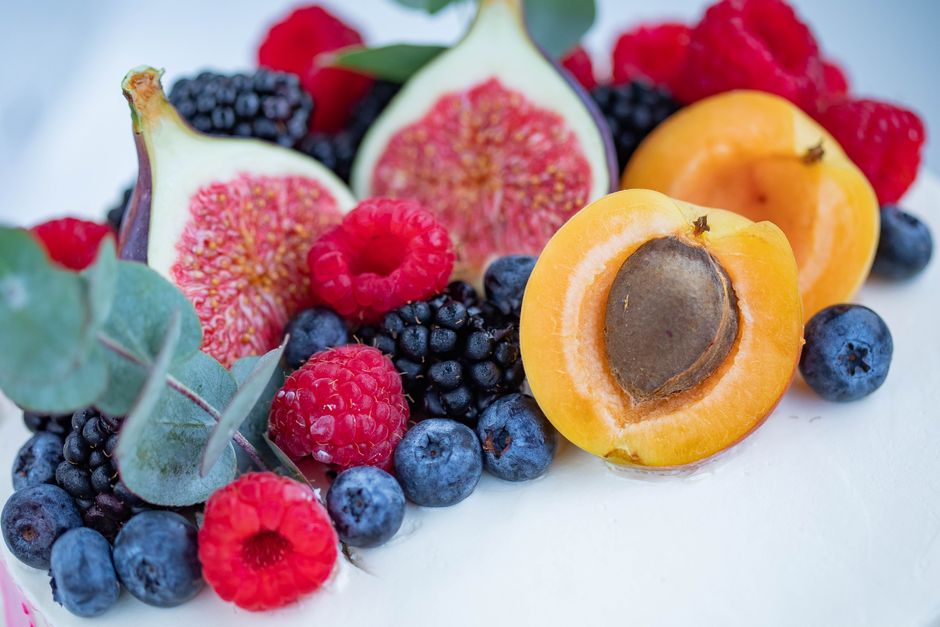
For many adults, a practical target is about 1.5 to 2 cups of fruit per day, adjusted for age, body size, activity, and the rest of the diet. You do not need to reach the target in one sitting. Splitting fruit across breakfast, lunch, and a snack makes the habit easier and reduces the chance of buying more than you can use.
What one cup looks like
A one-cup serving usually means one cup of chopped or whole fruit. It can also mean one cup of berries, one cup of melon cubes, or one large peach cut into slices. A small piece of fruit may count as less than a cup, while a large mango or a heaped bowl can count as more.
Start with a simple plate rule: fill one quarter of a breakfast bowl or snack plate with fruit, then add a protein food and a grain or vegetable when the meal needs more staying power. This creates a balanced meal without turning fruit into a calorie-counting exercise.
Spread it across the day
Try berries with breakfast, a peach with lunch, or melon after an afternoon walk. If you are active in heat, fruit can contribute water and carbohydrate, but it should not replace plain water or a full meal during long exercise. People who need to monitor carbohydrate intake can measure portions and pair fruit with protein, rather than avoiding fruit automatically.
More is not always better. Large amounts of fruit, especially dried fruit or fruit eaten quickly, can cause stomach discomfort and add more carbohydrate than planned. The useful goal is steady intake: two or three modest servings most days, with variety across colors and types.
The mistakes that make summer fruit harder to eat
My strongest recommendation: buy less fresh fruit and use it faster. A full produce drawer looks healthy, but it often creates waste, rushed eating, and disappointment when berries soften before you reach them.
Fix the common storage mistakes
- Do not seal damp berries in a container. Moisture speeds mold, so remove damaged berries and keep the rest dry.
- Do not wash every piece of fruit days ahead unless you can dry it well. Wash before eating when storage life matters.
- Do not leave cut melon, peaches, or mango at room temperature. Refrigerate cut fruit promptly in a covered container.
- Do not store bananas beside fruit that must stay firm. Bananas release ethylene gas and can speed ripening in nearby produce.
Fix the portion and preparation mistakes
Fruit smoothies can become large liquid meals when they include several bananas, juice, honey, and dried fruit. Use one cup of fruit, water or milk, and a protein ingredient as a starting formula. Another mistake is treating dried fruit like fresh fruit: raisins, dried mango, and dates are compact, so a small handful can represent several servings. Measure a portion into a bowl instead of eating from the bag.
Do not reject frozen fruit because it seems less fresh. Frozen fruit can be the better choice when it prevents waste, and it often keeps much of its original nutrient value because manufacturers freeze it soon after harvest.
Fresh, frozen, canned, or dried: which format wins?
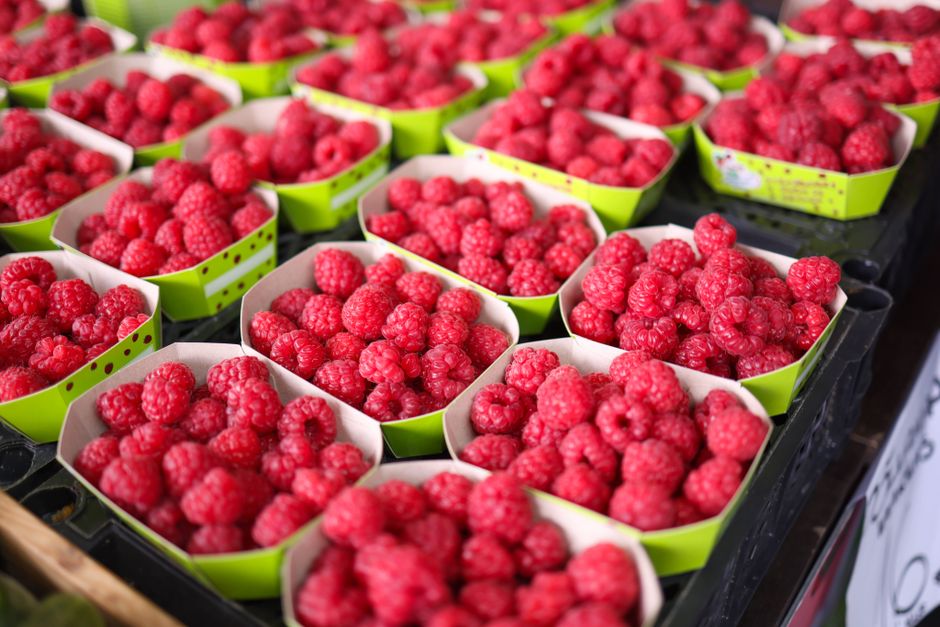
Fresh fruit wins for texture and convenience when you will eat it within a few days. Frozen fruit wins for price control, smoothies, and reliable availability. Canned fruit can be useful when fresh produce is expensive or out of season, while dried fruit works best in small measured portions.
| Format | Best use | Main drawback | Best choice |
|---|---|---|---|
| Fresh | Snacks, salads, sliced breakfasts | Spoils quickly | Buy small amounts twice a week |
| Frozen | Smoothies, oats, cooked dishes | Soft texture after thawing | Choose unsweetened fruit |
| Canned | Emergency pantry meals | Some versions contain added sugar | Choose water or 100% juice |
| Dried | Travel and trail mix | Easy to overeat | Measure about 30 grams |
When fresh is the clear winner
Pick fresh fruit when crunch, aroma, or appearance matters. A chilled peach or a bowl of watermelon is more satisfying than a thawed version, and whole fresh fruit is easy to portion by sight.
When frozen or canned is smarter
Pick frozen berries or mango when you often forget fresh produce. Pick canned peaches or pears packed in water or 100% juice when you need a shelf-stable option. Drain syrup-packed fruit and check the label for added sugar. The best format is the one you will actually eat before it spoils; frozen fruit is the overall winner for reducing waste and keeping a steady supply at home.
Can people with diabetes or sensitive digestion eat summer fruit?
Can fruit fit a diabetes-friendly eating pattern?
For many people with diabetes, whole fruit can fit into a balanced eating pattern. The key variables are portion size, total carbohydrate intake, and how the person’s blood glucose responds. A cup of berries often contains less carbohydrate than a cup of grapes, while juice and large smoothies can deliver carbohydrate faster.
Start with a measured serving, eat it with a meal or protein food, and use your glucose plan or clinician’s guidance for personal decisions. Do not swap prescribed treatment for fruit rules. Whole fruit is usually a better choice than juice because the intact structure provides fiber and slows the pace of eating.
Which fruit may bother a sensitive stomach?
Large servings of peaches, cherries, mango, and watermelon can bother some people with irritable bowel symptoms because they contain fermentable carbohydrates such as fructose or sorbitol. Strawberries, citrus, grapes, and small portions of blueberries may be easier for some people, but tolerance varies.
Test one fruit at a time, keep a short food-and-symptom record, and increase portions slowly. Persistent pain, diarrhea, unexplained weight loss, or blood in the stool needs medical attention rather than a self-designed elimination diet.
The clearest daily recommendation
Begin with one cup of berries or melon at breakfast, add one peach or similar whole fruit later if it feels comfortable, and keep water nearby. For most readers, that two-step routine gives summer fruit a regular place in the day while keeping portions, storage, and digestion manageable.
Always consult a qualified healthcare professional before making health-related decisions.