Two cups of chopped romaine contain only about 16 calories, so a huge bowl of lettuce can still leave you hungry an hour later. A satisfying summer salad needs more than volume. It needs a clear mix of protein, slow-digesting carbohydrates, colorful produce, healthy fat, and enough salt and acid to make the meal taste complete.
How to Build a Filling Summer Salad From First Principles
My strongest recommendation: treat salad as a composed meal, not a pile of leaves with toppings. The basic problem a balanced salad solves is simple. You want a cool, fresh meal that delivers enough energy and protein without requiring a hot stove for every component. Greens supply water, minerals, and fiber, but they rarely supply enough calories or protein on their own.
Step 1: Set a real protein floor
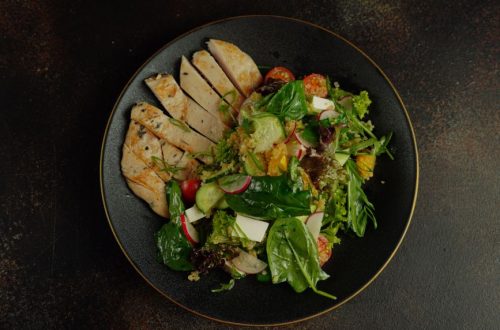
Start with 25 to 35 grams of protein. Use 4 to 6 ounces of chicken, fish, tofu, tempeh, or shrimp; 1 cup of beans plus a little cheese; or 1 cup of cooked lentils. Protein gives the meal staying power and makes the salad work as lunch or dinner rather than a side dish. If you finish the bowl and immediately want a snack, the protein portion was probably too small.
Next, add one serving of slow-digesting carbohydrate. Choose 1 cup of cooked quinoa, farro, brown rice, corn, potatoes, or whole-grain pasta. This step matters most for active people, people eating after exercise, and anyone who tends to feel tired after a light lunch. A salad with protein but no carbohydrate can still feel incomplete.
Step 2: Build contrast instead of adding random toppings
Use two to three cups of greens, one to two cups of seasonal vegetables or fruit, one serving of protein, and one serving of carbohydrate. Then add 1 to 2 tablespoons of fat from olive oil, avocado, tahini, nuts, seeds, or cheese. Finally, add something sharp or salty: lemon juice, vinegar, pickled onions, olives, capers, feta, or a small pinch of salt.
Texture keeps a simple salad interesting. Pair soft beans or grains with crisp cucumber, toasted seeds, radishes, or cabbage. Use sweet tomatoes, peaches, berries, or corn against acidic dressing and salty cheese. The best summer salad feels complete because every bite contains contrast, not because it contains twenty ingredients.
Which Summer Salad Ingredients Give You the Best Meal Value?
The best grocery choice is the ingredient that fills the missing role in your bowl. If the salad already has chicken, buying another protein adds little. If it has vegetables but no carbohydrate, add a grain, corn, or potato. The examples below are ordinary grocery products, not required purchases, and prices are practical planning estimates that vary by store.
A quick comparison for the shopping list
| Ingredient or example product | Typical portion | Useful nutrition role | Planning price | Best use |
|---|---|---|---|---|
| Bob’s Red Mill Organic Quinoa | 1 cup cooked | About 8 g protein plus carbohydrate and fiber | About $8.49 for 26 oz | Vegetarian grain bowls |
| Goya Chick Peas | 1 cup drained | About 14 g protein, fiber, and steady energy | About $1.49 for 15.5 oz | Low-cost meal salads |
| StarKist Solid White Albacore Tuna in Water | One 5 oz can | About 29 g protein with very little preparation | About $2.49 per can | Fast desk lunches |
| California Olive Ranch Extra Virgin Olive Oil | 1 tablespoon | About 120 calories and unsaturated fat | About $14.99 for 500 mL | Dressing and roasted vegetables |
The clear winners by situation
For the cheapest filling salad, Goya Chick Peas are the best pick because one can can supply several portions of protein and fiber. For the fastest high-protein lunch, StarKist tuna wins because it needs no cooking. For a vegetarian grain base, Bob’s Red Mill Organic Quinoa gives better texture and protein than plain lettuce. California Olive Ranch olive oil is the most useful dressing staple, but measure it; an uncontrolled pour can add hundreds of calories.
Do not buy every item on the table for one bowl. Pick one protein anchor, one carbohydrate source, and one fat source, then spend the rest of the budget on fresh produce.
The 10-Minute Assembly Method for a Balanced Summer Salad
Use this order when you need lunch quickly. It prevents the common mistake of filling a bowl with vegetables first and discovering there is no room, time, or appetite for the food that makes it satisfying.
Follow these six steps
- Choose the base. Add two cups of greens such as romaine, arugula, baby spinach, shredded cabbage, or a mix. Cabbage and romaine hold up best if you are packing the salad for later.
- Add the protein. Measure 4 to 6 ounces of cooked chicken, fish, tofu, tempeh, shrimp, or eggs, or use 1 cup of beans or lentils. This is the part to protect when time is short.
- Add a carbohydrate. Use 1 cup of cooked grains, 1 medium potato, 1 cup of corn, or a small whole-grain roll on the side. This makes the salad more useful after exercise or during a long workday.
- Add two colors. Pick at least two cups of tomatoes, cucumber, peppers, carrots, berries, peaches, corn, green beans, or radishes. Seasonal produce improves taste without requiring a complicated recipe.
- Dress with a measured ratio. Shake together 1 tablespoon of oil, 1 tablespoon of lemon juice or vinegar, a pinch of salt, pepper, and an optional teaspoon of mustard. Double the batch if you are making two salads.
- Finish with texture. Add 1 tablespoon of seeds or chopped nuts, a small amount of feta, toasted breadcrumbs, or sliced olives. Keep crunchy toppings separate if the salad will sit for more than 30 minutes.
Pack wet and dry parts separately
Put dressing in a small container and add it just before eating. Store delicate greens above heavier ingredients, and keep avocado, croutons, and toasted seeds separate. A five-minute packing habit protects texture better than adding extra dressing to revive a wilted bowl.
Why Do Healthy Summer Salads Leave People Hungry?
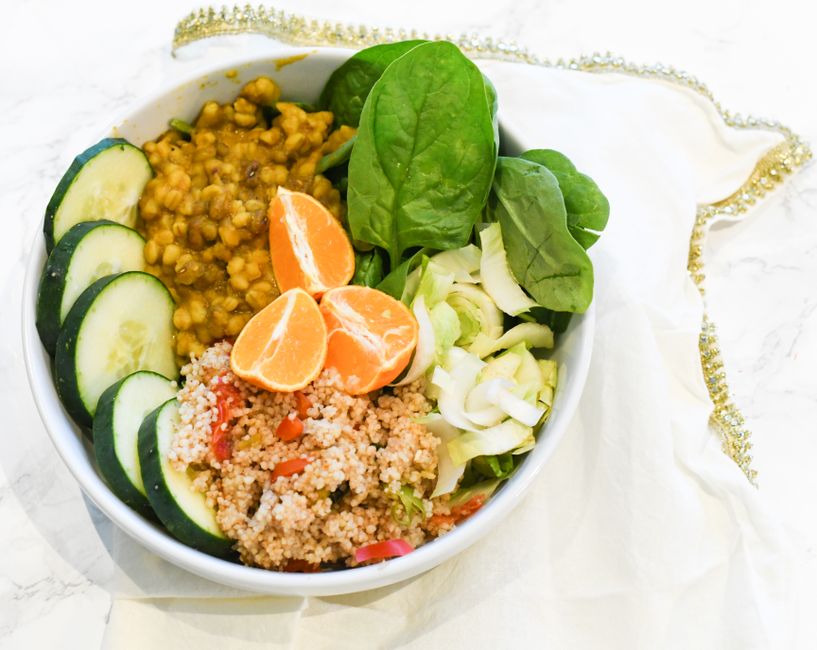
The usual problem is not that salad is too light; it is that the meal has no structure. These questions expose the gaps quickly.
Why does a large salad fail to satisfy?
It usually contains plenty of water and fiber but too little protein, carbohydrate, or fat. Two cups of lettuce, cucumber, and tomato can look generous while providing very little energy. Add one palm-sized protein portion and one cupped-hand portion of carbohydrate before increasing the vegetable volume.
How much protein should a meal salad contain?
A useful target is 25 to 35 grams for most adults, with a higher target sometimes fitting people who train hard or have larger calorie needs. You can reach it with chicken, fish, tofu plus beans, Greek yogurt-based dressing plus another protein, or a combination of lentils and eggs. A few scattered chickpeas on top do not equal a protein serving.
Can dressing make a salad balanced?
Dressing can provide healthy fat and improve the absorption of fat-soluble vitamins, but it cannot replace protein. Use oil, tahini, avocado, nuts, or seeds for fat, then add vinegar or citrus for brightness. If the salad contains a creamy dressing but no real protein or carbohydrate, it may taste rich while still leaving you hungry.
The Best Summer Salad Formula Depends on the Day
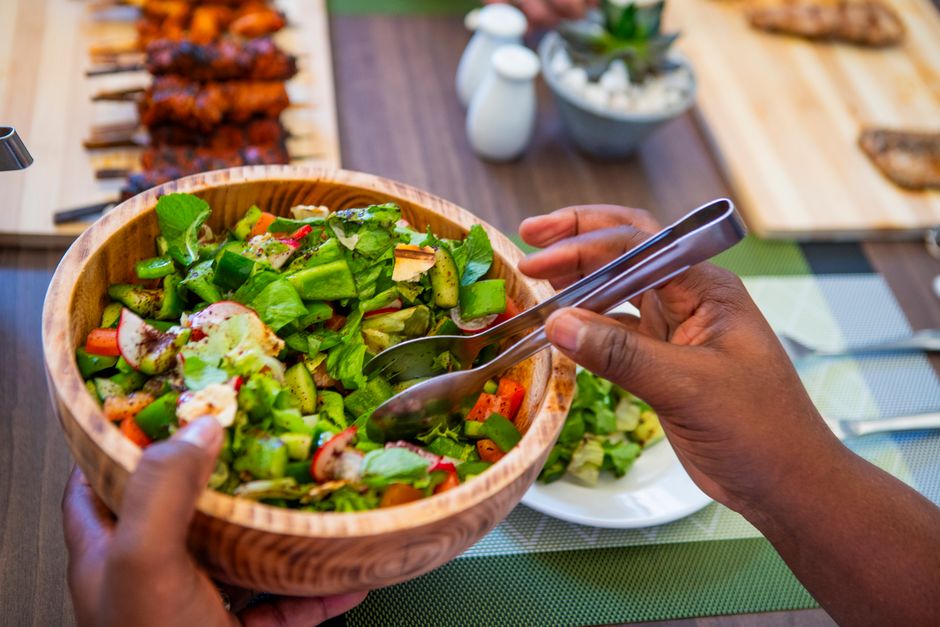
For a hot workday
Choose crisp romaine or cabbage, chilled beans or chicken, corn, cucumber, tomatoes, avocado, and a lemon-based dressing because this combination stays fresh, delivers protein and fiber, and feels substantial without the heaviness of a hot lunch.
For a meal after exercise
Choose 4 to 6 ounces of protein, 1 cup of potatoes, rice, quinoa, or pasta, two cups of vegetables, and a tablespoon of olive oil because the extra carbohydrate helps replace used energy while the protein supports recovery.
When not to choose salad
Skip the salad when you need a portable meal that must stay hot, when raw vegetables upset your stomach, or when you cannot store protein safely; a grain bowl, soup, sandwich, or cooked vegetable plate can solve the same meal problem with less mess and better comfort.
The single most important takeaway is simple: build every filling summer salad around a real protein serving, a slow-digesting carbohydrate, colorful produce, and a measured source of healthy fat.
Always consult a qualified healthcare professional before making health-related decisions.