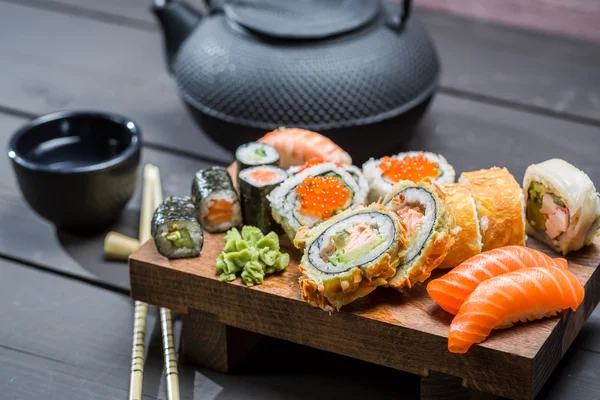
Most people ruin sushi by pairing it with tempura, cream cheese rolls, and sugary sodas. That defeats the point. Sushi is already a lean protein and seaweed meal. You want sides that add fiber, vitamins, and staying power without turning your lunch into a calorie bomb. Here are 15 things that actually work.
1. Edamame: The Obvious Winner (For a Reason)
Edamame is the single best side for sushi. Period. A half-cup of shelled edamame gives you 9 grams of protein and 4 grams of fiber for about 95 calories. That protein slows down how fast your body digests the rice, so you don’t crash an hour later.
Order it steamed with a light sprinkle of sea salt. Skip the spicy mayo drizzle — that’s just fat and sugar. If you’re at home, buy frozen edamame in the shell and microwave for 2 minutes. Cheaper than restaurant markup, same nutrition.
Why edamame beats miso soup for satiety
Miso soup is mostly water and salt. It feels good going down, but you’re hungry again in 45 minutes. Edamame has actual mass. Chewing it forces you to slow down, which helps your brain register fullness. Edamame + sushi = lunch that lasts 4 hours. Miso soup + sushi = snack that lasts 90 minutes.
2. Seaweed Salad (But Read the Label)
Seaweed salad sounds healthy. It can be. But most restaurant versions are swimming in sesame oil and sugar syrup. A typical takeout portion has 150-200 calories and 10-15 grams of sugar. That’s not a health food.
What to look for: wakame seaweed that’s not glistening with oil. If it looks wet and shiny, it’s overdressed. Ask for it plain with a side of rice vinegar. Or buy dried wakame and rehydrate it yourself at home — one tablespoon of dried wakame makes a full bowl for 10 calories.
The upside: seaweed is packed with iodine, which supports thyroid function. Just don’t eat it daily if you have thyroid issues. Moderation matters here.
3. Pickled Ginger (Gari) — More Than a Palate Cleanser
That pink stuff on your plate isn’t just decoration. Pickled ginger (gari) contains gingerol, a compound with anti-inflammatory properties. A tablespoon has about 5 calories and 1 gram of sugar from the pickling process. That’s negligible.
Eat it between different types of sushi to reset your taste buds. But here’s the trick: don’t pile it on top of the sushi. That masks the fish flavor. Eat it separately, like a side salad. Ginger cleans your palate, not your sushi.
Some brands add artificial coloring to make it pink. Look for naturally colored gari (it’ll be pale pink or beige). The taste is the same, no food dye needed.
4. Cucumber Sunomono — The Crunch You’re Missing
Sunomono is a Japanese cucumber salad dressed with rice vinegar, a touch of sugar, and sometimes sesame seeds. A half-cup has roughly 20 calories and 1 gram of sugar. It’s mostly water and fiber.
The crunch contrasts perfectly with soft sushi rice. It also adds volume to your meal without adding calories. If you’re trying to eat less rice, fill half your plate with sunomono. You’ll feel full on fewer grains.
Make it at home: slice one cucumber thin, toss with 2 tablespoons rice vinegar, 1 teaspoon sugar, and a pinch of salt. Let it sit 10 minutes. That’s it. Costs about $0.50 per serving. Restaurants charge $4-6 for the same thing.
5. Miso Soup: The Warm-Up (Not the Main Event)
Miso soup has a place. It’s warm, salty, and comforting. A standard bowl has 30-40 calories and provides probiotics from fermented miso paste. Those probiotics support gut health, which matters when you’re eating raw fish.
But here’s the honest truth: miso soup won’t fill you up. It’s a starter, not a side. Drink it before your sushi to take the edge off hunger. Then eat your sushi slowly. Miso soup + sushi = good. Miso soup + edamame + sushi = great. Don’t rely on soup alone.
Watch the sodium. One bowl can have 700-900 mg of sodium. That’s almost half your daily limit. If you’re watching blood pressure, skip it or make a low-sodium version at home with white miso paste.
6. Sashimi — More Fish, Less Rice
Ordering sashimi alongside your sushi rolls is a cheat code. You get the same high-quality fish without the rice. 3 ounces of salmon sashimi has 180 calories, 18 grams of protein, and zero carbs. Compare that to a California roll: 6 pieces have 250 calories, 8 grams of protein, and 35 grams of carbs.
If you’re diabetic, pre-diabetic, or just watching carbs, sashimi is your best friend. Order a side of 4-6 pieces and eat them first. The protein will blunt your blood sugar spike from the rice later.
Cost wise, sashimi is usually $2-3 more per order than a roll. Worth it. You’re paying for protein, not filler.
7. Avocado (Whole, Not in a Roll)
Avocado inside a sushi roll is fine. But you get a tablespoon at best. Order a side of sliced avocado and you get half a fruit — about 120 calories, 5 grams of fiber, and 10 grams of heart-healthy monounsaturated fat.
The fat in avocado helps your body absorb fat-soluble vitamins (A, D, E, K) from the seaweed and fish. It also slows digestion, keeping you full longer. Eat it alongside your sushi, not inside it. You control the portion.
Some sushi places charge $2-3 for avocado as a side. That’s fair. But if you’re eating at home, just slice half an avocado and serve it on the plate. Don’t pay restaurant markup for something you can do in 30 seconds.
8. Steamed Edamame vs. Spicy Edamame — The 200-Calorie Difference
| Type | Calories (1 cup) | Protein | Fat | Sugar |
|---|---|---|---|---|
| Steamed edamame (plain) | 190 | 17g | 8g | 2g |
| Spicy edamame (with chili oil) | 380 | 17g | 28g | 4g |
| Edamame with garlic butter | 420 | 16g | 32g | 3g |
Same protein, double the calories. The spicy version adds about 20 grams of fat from oil. That’s not evil — but it’s not a health food either. If you want spicy, ask for red pepper flakes on the side instead of chili oil. You save 190 calories and keep the heat.
9. Kimchi — The Fermented Powerhouse
Kimchi isn’t traditional Japanese, but it works. The spicy, sour, fermented cabbage cuts through the richness of fatty fish like salmon or tuna. A half-cup has 15 calories, 2 grams of fiber, and a wallop of probiotics.
The probiotics in kimchi (lactobacillus) can help your gut handle raw fish better. Some research suggests fermented foods reduce the risk of foodborne illness by supporting your gut’s natural defenses. Plus, the capsaicin from chili peppers may slightly boost metabolism.
Order it as a side at Korean-Japanese fusion spots. Or buy a jar at the grocery store (Jongga brand, about $5) and keep it in your fridge. A spoonful next to your sushi plate is all you need.
10. Konjac Noodles (Shirataki) — Zero-Calorie Rice Alternative
Konjac noodles are made from glucomannan fiber. They have almost zero calories, zero carbs, and zero sugar. A 8-ounce serving has 10 calories. They look like white rice noodles and absorb whatever flavor you put them in.
Here’s the catch: they have a weird texture — chewy, slightly rubbery. Some people hate it. But if you rinse them thoroughly and dry-fry them in a pan (no oil) for 2 minutes, they improve significantly. Toss them with soy sauce, rice vinegar, and sesame seeds, and you have a passable rice substitute.
Use them to bulk up your meal. Half a plate of konjac noodles, half a plate of sushi. You’ll eat the same volume for 200 fewer calories. Not for everyone, but worth trying if you’re serious about calorie control.
11. Daikon Radish — The Crunch You Forgot Existed
That shredded white stuff next to your sushi isn’t just garnish. It’s daikon radish. It has 18 calories per cup and contains diastase, an enzyme that helps digest starches. Eating it alongside sushi rice literally helps your body break down the carbs.
Most people push it aside. Don’t. Eat it between bites. The mild peppery flavor cleanses your palate better than ginger. It’s also rich in vitamin C — one cup gives you 25% of your daily needs.
At home, shred fresh daikon (white radish from any Asian grocery, about $1 per pound) and toss with a splash of rice vinegar. Keep it in the fridge for up to 3 days. Costs pennies per serving.
12. Steamed Shiitake Mushrooms — Umami Bomb
Shiitake mushrooms are low in calories (40 calories per cup) and high in B vitamins, copper, and selenium. They also contain lentinan, a beta-glucan that supports immune function.
Order them as a side dish — usually steamed or lightly grilled with soy sauce. They add a meaty texture without meat. If you’re vegetarian, shiitakes are a must. They provide the umami that fish usually brings.
Watch for heavy sauces. Some restaurants glaze them with sugary teriyaki. Ask for them plain with a side of soy sauce. You control the sodium, not the kitchen.
13. Brown Rice Sushi — The Obvious Swap
If you’re eating sushi regularly, switch to brown rice rolls. Brown rice has 3.5 grams of fiber per cup compared to white rice’s 0.6 grams. That fiber slows digestion and blunts blood sugar spikes.
Most sushi places offer brown rice as an option. It costs $1-2 more. Worth it. The nutty flavor actually pairs well with fish. If your local spot doesn’t offer it, ask. Enough requests and they’ll add it.
One caveat: brown rice sushi doesn’t stick together as well. It falls apart easier. Eat it with chopsticks and a light touch. Messy but healthier.
14. Green Tea — The Drink That Counts
Green tea isn’t food, but it belongs on this list. A cup of unsweetened green tea has 2 calories and contains catechins — antioxidants that may help with fat oxidation. Drinking it with sushi can slightly boost the thermic effect of your meal.
Skip the soda, skip the sugary iced tea. Order hot green tea (sencha or matcha). It also aids digestion. The warmth relaxes your stomach after raw fish.
At home, brew your own. Ito En brand unsweetened green tea, $4 for a pack of 12 bottles — cheaper than restaurant markup and no sugar.
15. The One Thing You Should Never Order: Tempura Anything
Tempura is fried batter. A single tempura shrimp has 80 calories and 5 grams of fat. A tempura roll (shrimp tempura inside) has 400-500 calories per 6 pieces. That’s double a regular roll.
If you want crunch, get the cucumber sunomono or daikon. If you want warmth, get the miso soup. Tempura adds calories, fat, and sodium with zero nutritional upside. It’s the enemy of a healthy sushi meal.
Same goes for cream cheese. Philadelphia rolls are a crime against sushi. Cream cheese adds 100 calories per ounce and zero nutritional value. Stick to the 15 things above. Your body will thank you.
Medical Disclaimer: This content is for informational purposes only and does not constitute medical advice. Always consult a qualified healthcare professional before making health-related decisions.