
It’s wild how many people jump into protein powder without doing their homework. I’ve been lifting for years, grinding through countless tubs, and let me tell you, Reddit is where you find the real talk. Not the influencer fluff, but actual users sharing what works, what tastes like regret, and what’s genuinely worth your money. Forget the glossy ads; I’m here to spill what I’ve learned from my own trial and error, heavily influenced by the collective wisdom of thousands of Redditors.
My Go-To Whey: Why Isolate Still Reigns Supreme for Most
Look, I’m going to be blunt: for most people trying to build muscle or just hit their protein macros efficiently, **whey isolate** is king. I’ve tried everything under the sun—concentrates, blends, casein, even some of the more exotic stuff—and I always come back to isolate. Why? Purity, mainly. You get a higher percentage of protein per scoop, often 90% or more, with minimal carbs, fats, and lactose. This matters, especially if you’re tracking macros tightly or have a sensitive stomach. I’ve seen too many people complain about bloating from cheaper concentrates; isolate usually sidesteps that.
My top recommendation, hands down, for a consistently good, reliable isolate? It’s been Optimum Nutrition Gold Standard 100% Isolate for years. It mixes perfectly, tastes solid (the Double Rich Chocolate is a classic for a reason), and you know exactly what you’re getting. A 2lb tub usually runs me about $45-50, which is fair for the quality. When Myprotein runs its insane sales, their Impact Whey Isolate is also a fantastic value, often dropping to $30-40 for 2.2lb. It’s slightly less refined than ON but still excellent. For something more premium, if you’re willing to pay for unique flavors and branding, Ghost Lifestyle Whey is surprisingly good. Their Cereal Milk or Peanut Butter Cereal Milk are phenomenal, but you’ll pay about $50-55 for a 2lb tub.
Why Isolate Over Concentrate for the Serious Lifter
Here’s the deal: Whey Protein Concentrate (WPC) is cheaper because it’s less filtered. It typically contains 70-80% protein, with more fats and lactose. For a casual user, that’s fine. But if you’re serious about your macros, especially if you’re cutting, those extra carbs and fats add up. And for anyone with even mild lactose intolerance, WPC can cause digestive distress. Isolate goes through an additional filtering process, removing most of the lactose and fat, resulting in a cleaner product. It’s a small difference on paper, but in practice, it’s a smoother experience for your gut and your macro tracker. I’ve seen countless Reddit threads where people switch from concentrate to isolate and suddenly their stomach issues disappear.
Comparing My Long-Term Picks: ON, Myprotein, Ghost
I’ve stuck with these three for a reason. Optimum Nutrition is the gold standard (pun intended). Their mixes are always consistent, and I’ve never had a clumpy shake. The flavor profiles are classic and reliable. Myprotein is the budget king, especially when you catch a 40-50% off sale. Their mixability is good, and while the flavors aren’t as robust as ON, they’re perfectly drinkable. I usually get the unflavored version for mixing into oatmeal or smoothies. Ghost Lifestyle is the wild card. Their marketing is brilliant, and their collaborations (like Chips Ahoy or Oreo flavors) are genuinely delicious. It feels like a treat, but it’s still a high-quality isolate. If you’re tired of the same old chocolate and vanilla, Ghost offers a fresh perspective, but expect to pay a bit more per serving. Their mixability is top-tier too, no doubt.
Plant-Based Powerhouses: Pea vs. Rice vs. Hemp
The plant-based protein market has exploded, and it’s not just for vegans anymore. Many people turn to plant proteins for digestive reasons or simply to diversify their protein sources. But not all plant proteins are created equal. You’re often dealing with different amino acid profiles, textures, and tastes. It’s a learning curve, and Reddit has been a goldmine for navigating this space. I’ve dabbled in plant proteins for a few years, mainly for mixing into things where a dairy taste isn’t ideal, like green smoothies.
| Type | Protein Content (per 100g) | Amino Acid Profile | Digestibility | Taste/Texture | Typical Cost (2lb) |
|---|---|---|---|---|---|
| Pea Protein | 75-80% | High in BCAAs, lysine. Lower in methionine. | Good (DCAA Score ~0.89) | Earthy, slightly gritty. Best in blends. | $30-40 |
| Rice Protein | 70-80% | Good, but low in lysine. Often blended with pea. | Good (DCAA Score ~0.80) | Mild, slightly chalky. Very fine powder. | $35-45 |
| Hemp Protein | 45-50% | Good source of fiber, omegas. Lower overall protein. | Very Good | Nutty, grassy. Distinct flavor. | $25-35 |
After trying various brands, I’ve found that pea protein is generally the best all-rounder. Brands like Garden of Life Sport Organic Plant-Based Protein and Orgain Organic Plant-Based Protein Powder are frequently mentioned on Reddit. These usually contain a blend of pea, brown rice, and sometimes chia or hemp to create a more complete amino acid profile. A 2lb tub of these typically falls in the $35-45 range. Hemp protein is great for fiber and healthy fats, but its lower protein content and distinct grassy flavor make it less ideal as a primary protein source for serious lifters.
The Amino Acid Puzzle in Plant Proteins
One common critique of single-source plant proteins is their incomplete amino acid profile compared to whey. For instance, pea protein is low in methionine, while rice protein is low in lysine. This is why many successful plant-based protein powders are blends. Combining pea and rice protein, for example, creates a much more complete profile that rivals whey. Don’t stress too much about getting a perfectly complete protein in every single shake, though. As long as your overall diet provides a variety of plant protein sources throughout the day, you’ll hit all your essential amino acids.
Texture and Taste: The Real Hurdles
Let’s be real, plant proteins often get a bad rap for taste and texture. Many have an earthy, sometimes gritty, mouthfeel. This is where brands put in a lot of effort with natural sweeteners and flavorings. My advice? Don’t try to drink unflavored pea protein with just water unless you’re truly desperate. Blend it into smoothies with fruit, nut butter, and unsweetened almond milk. The added ingredients mask any off-notes and improve the texture dramatically. Look for brands that specifically mention good mixability; some of the cheaper ones can be notoriously clumpy.
Don’t Waste Your Money: The Case Against Proprietary Blends
Here’s a quick, firm piece of advice: Avoid any protein powder that uses "proprietary blends" in its ingredient list. Seriously. These labels are designed to hide the actual amounts of each ingredient. You have no idea if you’re getting a meaningful dose of that expensive ingredient or just a tiny sprinkle to make the label look good. It’s a classic way for companies to cut corners while sounding impressive. Just say no.
Decoding the Label: What Those Ingredients Really Mean
Walking into a supplement store or browsing online can feel like navigating a chemistry lab. All those terms on protein powder labels? They’re not just jargon. Understanding them helps you pick the right product for your goals and digestive system. I’ve spent too much time squinting at microscopic text; learn from my mistakes.
- Whey Protein Concentrate (WPC): This is the least processed form of whey. It’s typically 70-80% protein by weight, with the remaining percentage being fats, carbohydrates (lactose), and minerals. It’s the most common and generally the cheapest type. Good for bulking or if you don’t have lactose issues.
- Whey Protein Isolate (WPI): This goes through further processing to remove more fat and lactose. It typically contains 90% or more protein. It’s absorbed quickly and is a good choice for those with mild lactose intolerance or who are cutting calories/carbs.
- Hydrolyzed Whey Protein: This is a whey protein that has been partially broken down (pre-digested) using enzymes. This means it gets absorbed even faster than isolate. However, it often has a more bitter taste, and it’s usually the most expensive option.
- Casein Protein: Unlike whey, casein is a slow-digesting protein. It forms a gel in your stomach, releasing amino acids slowly over several hours. This makes it ideal for before bed or any long period without food. Look for "micellar casein" for the best quality.
- BCAAs (Branched-Chain Amino Acids): Leucine, isoleucine, and valine. These three essential amino acids are crucial for muscle protein synthesis and recovery. While many protein powders contain them naturally, some add extra.
- Digestive Enzymes: Ingredients like lactase, protease, and amylase are sometimes added to protein powders to help with digestion and absorption. Lactase, in particular, can be beneficial for those with lactose sensitivity, even in isolates, offering an extra layer of gut comfort.
Concentrate vs. Isolate: Your Stomach’s Decision
Seriously, this is a big one. I’ve seen countless posts from new lifters complaining of bloating, gas, and general discomfort after starting a protein powder. Almost every time, it turns out they’re using a cheap whey concentrate. Switching to an isolate, or even a hydrolyzed isolate, often resolves these issues. The lower lactose content in isolates makes a huge difference for many people. If you find yourself feeling gassy after your shake, that’s your sign to pay a few extra bucks for an isolate.
Why Hydrolyzed Isn’t Always Better
While hydrolyzed whey is technically "faster absorbing" due to its pre-digested state, the practical benefits for most people are minimal. Unless you’re an elite athlete in a very specific training phase where every second of absorption matters, the extra cost and often less palatable taste of hydrolyzed whey aren’t worth it. Isolate is fast enough for 99% of us. Don’t fall for the marketing hype if the only benefit is "super-fast absorption."
Common Protein Powder FAQs from the Forum
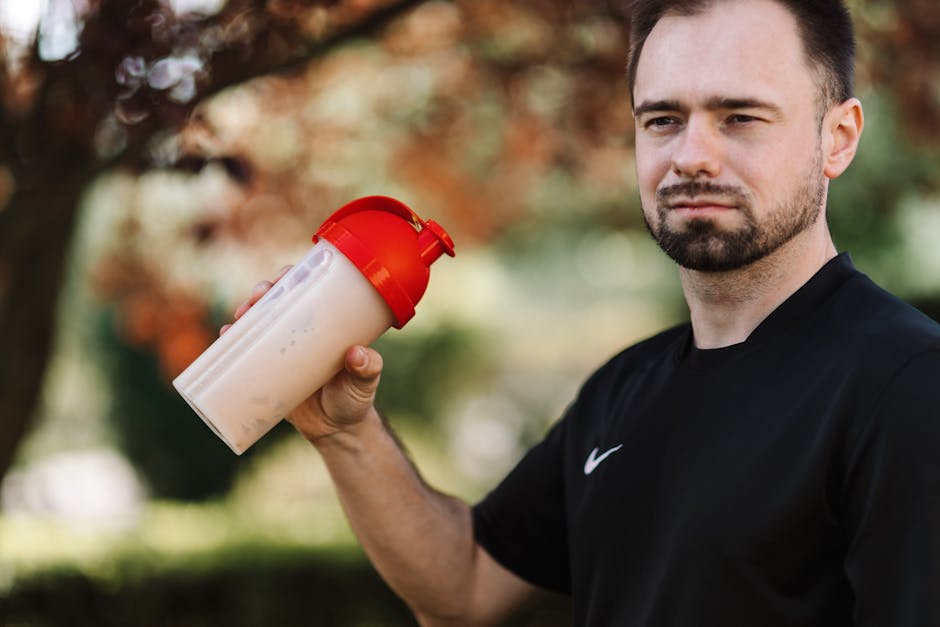
Reddit’s fitness subreddits are constantly full of the same questions about protein powder. I’ve seen them pop up week after week for years. Let’s clear up some of the most frequent ones.
When’s the Best Time to Drink Protein?
The old "anabolic window" theory, where you absolutely *must* drink protein within 30 minutes post-workout, is mostly bunk. While it’s still good to get protein in after a workout, the window is much wider—a few hours. What truly matters is your total daily protein intake. Aim for roughly 0.7 to 1 gram of protein per pound of body weight. Spread that out throughout the day. For slow-digesting proteins like casein, taking it before bed can be beneficial to feed your muscles during sleep.
Can I Just Mix It With Water?
Absolutely. I mix most of my protein with water. It’s convenient, low-calorie, and gets the job done. If you’re looking to add extra calories, like during a bulk, mixing with milk (dairy or non-dairy) works too. Whole milk can add a significant amount of calories and fat, while almond milk keeps it lighter. Just be aware that some protein powders taste considerably better with milk than with water.
What About Sweeteners and Additives?
This is a big discussion point, and it comes down to personal preference and tolerance. Most protein powders use artificial sweeteners like sucralose or natural ones like stevia. Some people find artificial sweeteners cause digestive upset or just have an unpleasant aftertaste. If you’re sensitive, look for brands that use minimal sweeteners or offer unflavored options. "Natural flavors" can be a bit of a black box, so if you’re concerned about specific additives, diving into specific brand forums on Reddit often reveals detailed discussions from users.