

The paradigm of modern healthcare is undergoing a fundamental shift from reactive treatment to proactive prevention. As clinical research clarifies the link between micronutrient status and the development of chronic conditions, the role of supplementation has moved from the periphery to the center of disease prevention strategies. Nearly 42% of the United States population is clinically deficient in Vitamin D, a statistic that persists despite the widespread availability of fortified foods and sunlight. This deficiency is not merely a statistical curiosity; it is a significant factor in the prevalence of metabolic and immune-related disorders. While a balanced diet remains the primary vehicle for nutrient delivery, modern agricultural practices, soil depletion, and sedentary lifestyles have created nutritional gaps that food alone often fails to bridge. Selecting the best supplements to take requires a shift from marketing-driven purchases to evidence-based supplementation tailored to specific physiological needs and long-term health goals.
Which supplements effectively reduce cardiovascular disease risk?
Cardiovascular disease remains a leading cause of mortality globally, yet many of its risk factors are modifiable through targeted nutritional intervention. Clinical research consistently highlights the efficacy of Omega-3 fatty acids, specifically Eicosapentaenoic acid (EPA) and Docosahexaenoic acid (DHA), in managing lipid profiles and reducing systemic inflammation. These fatty acids are integral to the structure of cell membranes and play a decisive role in maintaining heart rhythm and preventing the formation of arterial plaques. The “Omega-3 Index,” which measures the amount of EPA and DHA in red blood cell membranes, has emerged as a potent predictor of cardiovascular health, with higher levels correlating significantly with reduced heart-related incidents.
Data from large-scale trials, such as the REDUCE-IT study, demonstrated that high-dose purified EPA significantly lowered the risk of major adverse cardiovascular events in high-risk patients. For the average individual, maintaining a high Omega-3 index is associated with a lower risk of sudden cardiac death. Coenzyme Q10 (CoQ10) is another critical component for heart health, particularly for individuals taking statins, as these medications often deplete natural CoQ10 levels, leading to muscle fatigue and reduced cellular energy production. Ubiquinol, the reduced form of CoQ10, is often preferred for those over age 40 due to its superior absorption and ability to neutralize free radicals within the lipid-rich environments of the heart and blood vessels.
Recommended Cardiovascular Supplements
- Nordic Naturals Ultimate Omega: Approx. $30.00 – $45.00 depending on count. Specs: 1280 mg total Omega-3s per serving. Pro: Exceptional purity levels, third-party tested for heavy metals, and high concentration of EPA/DHA. Con: The softgel size may be difficult for some users to swallow, and it requires refrigeration after opening for maximum freshness.
- Thorne CoQ10: Approx. $52.00. Specs: 100 mg of Coenzyme Q10 as Ubiquinone per capsule. Pro: Uses a highly bioavailable form that is easily absorbed and is NSF Certified for Sport. Con: Significantly higher price point than generic retail versions found in supermarkets.
What are the best vitamins for preventing seasonal illness?
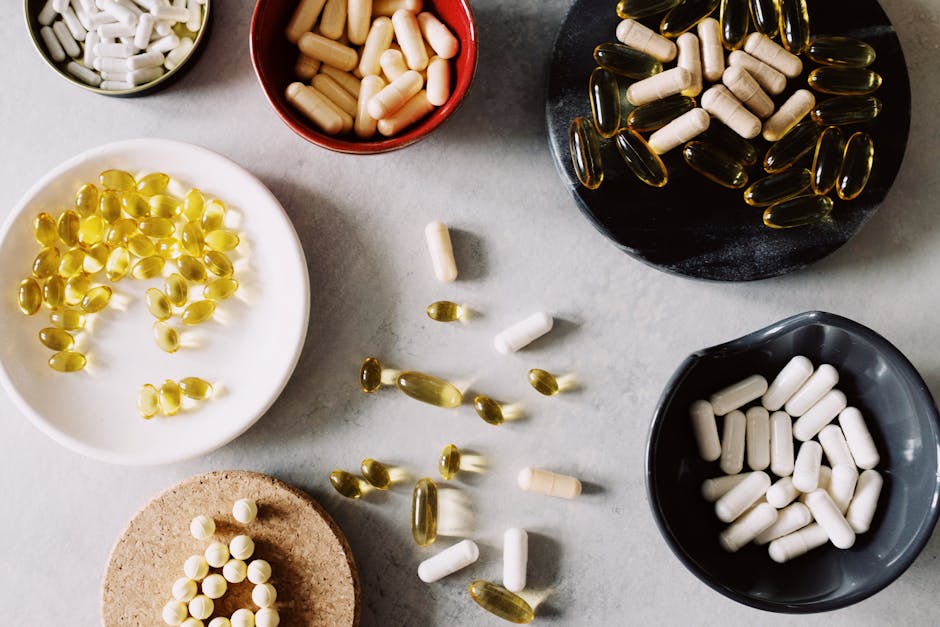
The immune system is a complex network that requires specific micronutrients to function optimally, particularly during periods of high pathogen exposure. Vitamin D3 is perhaps the most critical of these, acting more like a hormone than a vitamin by regulating over 2,000 genes, many of which are involved in immune response. Research indicates that individuals with Vitamin D levels below 30 ng/mL are more susceptible to upper respiratory tract infections and prolonged recovery times. Vitamin D3 works by enhancing the pathogen-fighting effects of monocytes and macrophages—white blood cells that are important parts of your immune defense—and decreases inflammation.
Zinc and Vitamin C are often grouped together in the context of immune support, but they serve distinct roles. Zinc is essential for the development and function of immune cells, including neutrophils and natural killer cells. It acts as a signaling molecule for immune cells and helps maintain the integrity of mucosal barriers. Vitamin C, an antioxidant, protects these cells from oxidative stress during an immune response. Clinical evidence suggests that while Vitamin C may not prevent the common cold in the general population, it can reduce the duration and severity of symptoms if taken consistently before the onset of illness. For those using zinc, it is important to balance intake with copper, as long-term high-dose zinc can lead to copper deficiency.
Immune Support Specs and Dosage
| Nutrient | Standard Preventative Dose | Clinical Benefit | Retail Availability |
|---|---|---|---|
| Vitamin D3 | 1,000 – 5,000 IU | Regulates T-cell activation and cytokine production. | High (Boots, Holland & Barrett) |
| Zinc Picolinate | 15 – 30 mg | Inhibits viral replication and supports mucosal integrity. | High (General Retail) |
| Vitamin C | 500 – 1,000 mg | Protects against oxidative damage during infection. | Ubiquitous |
How to choose supplements for reducing systemic inflammation?
Chronic low-grade inflammation is a silent driver of numerous chronic conditions, including type 2 diabetes, arthritis, and neurodegenerative diseases. Curcumin, the active compound in turmeric, has been extensively studied for its ability to inhibit the NF-kB pathway, a major trigger for inflammatory responses. However, the primary challenge with curcumin is its poor bioavailability; the body metabolizes and excretes it rapidly before it can exert its therapeutic effects. This has led to the development of specialized delivery systems designed to keep the compound in the bloodstream longer.
To circumvent this, high-quality supplements utilize phytosome technology or combine curcumin with piperine (black pepper extract) to increase absorption by up to 2,000%. Another potent anti-inflammatory agent is Magnesium. Roughly half of the population does not meet the daily requirement for magnesium, which is a cofactor in more than 300 enzymatic reactions. Low magnesium levels are directly correlated with elevated C-reactive protein (CRP) levels, a primary marker of systemic inflammation. Magnesium glycinate is particularly favored for inflammation as it is highly bioavailable and has a calming effect on the nervous system, which can further reduce stress-induced inflammatory markers.
Evidence suggests that addressing magnesium deficiency can lower CRP levels as effectively as some pharmaceutical interventions, without the associated side effects often found in non-steroidal anti-inflammatory drugs (NSAIDs).
Top Anti-Inflammatory Products
- Thorne Curcumin Phytosome (Meriva): Approx. $50.00. Specs: 500 mg per capsule. Pro: Clinically proven absorption that is 29x higher than standard curcumin. Con: Requires multiple capsules for the full clinical dose, making it expensive for long-term use.
- Pure Encapsulations Magnesium (Glycinate): Approx. $26.00. Specs: 120 mg per capsule. Pro: Highly absorbable form that is gentle on the digestive tract and free from unnecessary fillers. Con: Often out of stock due to high demand at major retailers like Boots.
Optimizing Nutrient Absorption: Timing and Interactions

The efficacy of even the best supplements to take can be severely compromised by poor timing or improper combinations. Many individuals take their entire supplement regimen in the morning on an empty stomach, which can lead to both digestive upset and poor absorption. Fat-soluble vitamins, such as A, D, E, and K, along with Omega-3 fatty acids, must be taken with a meal containing healthy fats to be absorbed across the intestinal lining. Without dietary fat, these nutrients are largely excreted, providing little to no physiological benefit.
Conversely, certain minerals compete for the same transport proteins in the gut. For instance, taking high doses of calcium and magnesium simultaneously can lead to reduced absorption of both, as they “fight” for uptake. It is generally recommended to take magnesium in the evening, as it supports muscle relaxation and sleep, while taking calcium during the day. Furthermore, iron supplements should never be taken with coffee or tea, as the tannins and polyphenols in these beverages can inhibit iron absorption by up to 90%. Understanding these interactions is a critical component of a disease prevention strategy, ensuring that the investment in high-quality supplements actually translates to improved nutrient blood levels.
Which nutrients are most effective for preventing osteoporosis?
Bone health is often ignored until a fracture occurs, yet the foundation for bone density is built and maintained over decades. Calcium is the most well-known mineral for bone structure, but it cannot work in isolation. Vitamin K2, specifically the MK-7 form, is necessary to direct calcium into the bones and teeth while preventing it from depositing in the arteries and soft tissues. This “calcium paradox” explains why high calcium intake without sufficient K2 can actually increase cardiovascular risk by promoting arterial calcification.
Furthermore, Magnesium plays a structural role in the bone matrix and assists in the conversion of Vitamin D into its active form. Without adequate magnesium, Vitamin D remains stored and inactive, rendering it useless for calcium absorption. Boron is another trace mineral that is gaining attention for its ability to extend the half-life of Vitamin D and estrogen, both of which are vital for maintaining bone mineral density. For post-menopausal women and older men, a combination of Calcium, Vitamin D3, Vitamin K2, and Magnesium is the gold standard for preventing the onset of osteoporosis.
Essential Bone Matrix Checklist
- Calcium Citrate: Preferable over calcium carbonate for those with lower stomach acid; typically $15-$25 at retail outlets like Boots or Holland & Barrett.
- Vitamin K2 (MK-7): Look for at least 90-120 mcg to ensure proper calcium distribution to the skeletal system.
- Vitamin D3: Maintain blood levels between 40-60 ng/mL for optimal mineral absorption; testing every six months is recommended.
- Boron: A trace mineral often overlooked that helps reduce the urinary excretion of calcium and magnesium.
Can specific supplements help prevent age-related cognitive decline?
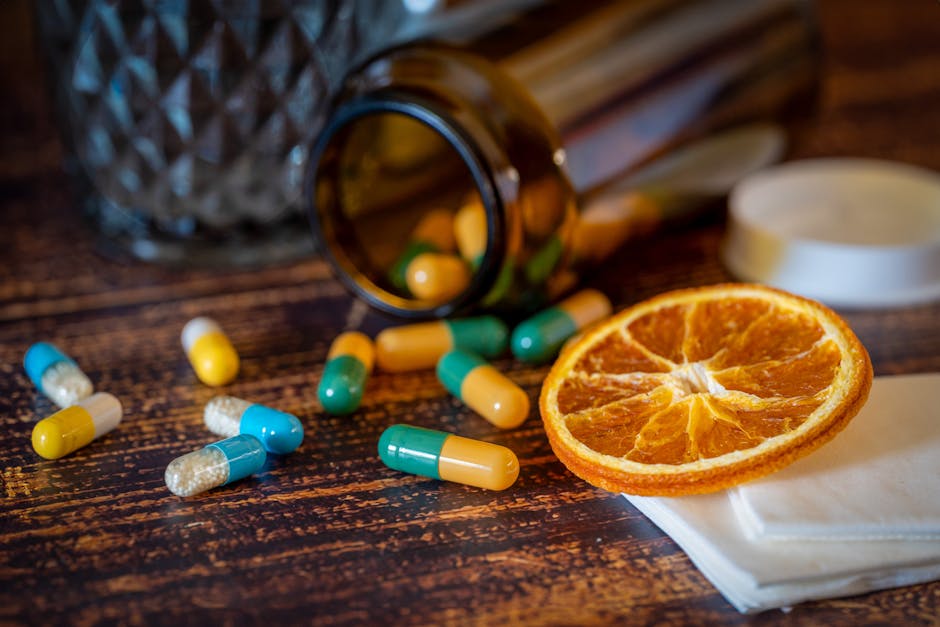
As the global population ages, the focus on neuroprotection has intensified. The brain is highly susceptible to oxidative stress and requires a steady supply of specific nutrients to maintain synaptic plasticity and cognitive function. B-vitamins, particularly B12, B6, and Folate, are critical for homocysteine metabolism. High levels of homocysteine are a known risk factor for brain atrophy, vascular damage, and Alzheimer’s disease. Supplementing with methylated forms of these vitamins (such as methylcobalamin and methylfolate) ensures they can cross the blood-brain barrier and perform their protective functions, especially in individuals with MTHFR genetic variations.
Another emerging supplement for cognitive health is Magnesium L-Threonate. Unlike other forms of magnesium, L-Threonate has the unique ability to significantly increase magnesium levels within the cerebrospinal fluid. Studies in animal models and preliminary human trials suggest this can improve memory, focus, and overall executive function by increasing the density of synapses in the hippocampus. While more long-term human data is needed, the current evidence is promising for those looking to preserve cognitive sharpness and prevent the neurodegeneration associated with aging.
Cognitive Support Recommendations
- Life Extension Neuro-Mag: Approx. $32.00. Specs: 2,000 mg of Magtein (Magnesium L-Threonate) providing 144 mg of elemental magnesium. Pro: The only form of magnesium proven to effectively raise brain magnesium levels. Con: Requires three capsules per serving, which some find inconvenient.
- Jarrow Formulas Methyl B-12 & Methyl Folate: Approx. $18.00. Specs: 1000 mcg B12 / 400 mcg Folate. Pro: Uses the most bioavailable forms of B-vitamins for immediate cellular use. Con: The lozenge format contains sweeteners like xylitol that some users may wish to avoid.
Common Supplementation Pitfalls to Avoid
One of the most frequent mistakes in supplementation is the “more is better” fallacy. Chronic over-supplementation of certain nutrients, such as Vitamin A or Selenium, can lead to toxicity and actually increase the risk of disease. For instance, excessive Vitamin A intake has been linked to reduced bone mineral density and liver stress. Another common error is relying on multivitamins as a “catch-all” solution. Most generic multivitamins contain the cheapest forms of nutrients (like magnesium oxide or synthetic Vitamin E) which have poor absorption rates and may not provide therapeutic dosages of the specific vitamins you actually need.
Additionally, many consumers fail to account for the “filler” ingredients in retail supplements. Ingredients like titanium dioxide, artificial colors, and excessive hydrogenated oils are often added to stabilize products or make them more visually appealing, but they can trigger sensitivities in some individuals. Always read the “Other Ingredients” section of the label to ensure you are getting a clean product. Finally, failing to re-test blood levels after starting a new regimen is a missed opportunity. Supplementation should be a dynamic process: take a targeted dose, test your levels after 3-4 months, and adjust the dosage based on your body’s specific response.
How to verify supplement purity and label accuracy?
The supplement industry is notoriously under-regulated, meaning the burden of quality control often falls on the consumer. It is not uncommon for independent lab tests to find that products contain significantly less of the active ingredient than claimed, or worse, are contaminated with heavy metals like lead or mercury. To mitigate these risks, consumers should look for third-party certifications on product labels. These seals indicate that a product has been independently verified for purity and potency by an organization that has no financial stake in the brand.
The most reputable certification bodies include NSF International, USP (U.S. Pharmacopeia), and Informed-Choice. NSF “Certified for Sport” is particularly rigorous, as it also screens for substances banned by major athletic organizations. Additionally, companies that practice transparency will often provide a Certificate of Analysis (CoA) upon request, detailing the exact lab results for a specific batch number. Purchasing from established retail giants through affiliate networks like Awin—such as Boots, Holland & Barrett, or specialized health retailers—can also provide an additional layer of consumer protection, as these stores often have their own internal quality standards for the brands they carry.
Key Quality Indicators
- Third-Party Seals: Look for NSF, USP, or CGMP (Current Good Manufacturing Practice) logos.
- Formulation: Avoid products with excessive fillers like magnesium stearate, titanium dioxide, or artificial colors.
- Packaging: Opaque or amber glass bottles are preferred for light-sensitive nutrients like Omega-3s and Vitamin C to prevent oxidation.
- Batch Numbers: Always ensure the bottle has a clear lot number and expiration date for traceability and safety.
Where to buy high-quality supplements from reliable retailers?
The convenience of online shopping has made it easier than ever to find the best supplements to take, but it has also opened the door to counterfeit products. Purchasing directly from reputable retailers is the most effective way to ensure product authenticity. Large-scale health retailers like Holland & Barrett and Boots have stringent supply chain controls that minimize the risk of tampering or improper storage. These retailers are accessible through various affiliate programs, often offering competitive pricing, loyalty points, and subscription discounts for long-term users. Many of these retailers also offer financial flexibility through “buy now, pay later” services or retail finance options, making high-quality health investments more accessible.
When comparing retail options, consider the shipping and storage conditions. Probiotics and certain oils are heat-sensitive; a retailer that uses climate-controlled warehousing will deliver a more potent product than a general marketplace where items may sit in unrefrigerated trucks during the summer months. For specialized brands like Thorne or Pure Encapsulations, purchasing through authorized distributors or their official storefronts on major retail platforms ensures you are receiving the genuine formulation rather than a generic imitation. Utilizing retail apps can also help you track prices and receive alerts for sales, ensuring you get the best value for your health budget.
Retailer Comparison Summary
| Retailer | Selection Range | Trust Factor | Typical Pricing |
|---|---|---|---|
| Boots | Wide/General | High (Established Pharmacy) | Moderate |
| Holland & Barrett | Specialized/Vast | High (Specialist Knowledge) | Competitive (Frequent Sales) |
| Direct Brand Sites | Limited to Brand | Highest | Premium |
Selecting the appropriate supplementation strategy is a personalized process that should ideally be guided by blood work and professional consultation. By focusing on high-purity ingredients and scientifically backed dosages, individuals can effectively use these tools to support long-term health and prevent the onset of chronic disease. The market is saturated with options, but prioritizing transparency, clinical evidence, and proper nutrient timing remains the most reliable path to effective supplementation. Whether your goal is cardiovascular protection, immune resilience, or cognitive longevity, the quality of the supplement is just as important as the nutrient itself.