

Can a few ordinary habits really lower your chance of catching a cold or flu during winter? Yes, but no single action creates a guarantee. Respiratory viruses spread through several routes, so the strongest plan combines vaccination, cleaner indoor air, hand hygiene, sensible distance, and staying home when symptoms begin.
The guidance below is a general U.S. public-health overview for 2026. Recommendations can change by season, location, age, pregnancy status, and medical history. For current updates, consult the CDC respiratory virus prevention guidance.
Why winter infections spread more easily indoors
Cold weather changes the setting, not the basic rules
Winter does not create influenza or the common cold. Viruses spread when infected people release particles while breathing, talking, coughing, or sneezing, and when contaminated hands move those particles toward the eyes, nose, or mouth. Winter changes the setting: people spend more time indoors, windows stay closed, and crowded rooms may have less fresh air.
That combination gives an infectious person more chances to share virus-containing particles with others. A short conversation in a crowded, poorly ventilated room can carry more exposure risk than the same conversation outdoors. The exact risk depends on the virus, the amount of virus released, room size, airflow, duration, and the health of the people present.
Exposure is a chain with several points to interrupt
Think of infection as a chain rather than a single event. A person must release the virus, the virus must remain in the environment or travel through the air, and another person must inhale it or transfer it to a vulnerable entry point. Prevention works by weakening several links at once.
Vaccination prepares the immune system for selected viruses. Ventilation dilutes indoor particles. A well-fitting mask can filter some particles before they enter or leave the breathing zone. Handwashing removes germs before they reach the face. Staying home while sick reduces the number of people exposed. The clear verdict is simple: layered prevention is stronger than relying on a single household trick, supplement, or “immune boost.”
Which everyday habits reduce respiratory-virus risk most?

A practical daily priority list
- Stay current on recommended vaccines. Ask a licensed health professional which flu, COVID-19, RSV, or other vaccines apply to your age and medical history.
- Improve indoor air. Open windows when practical, run exhaust fans, use properly sized filtration, and spend more time outdoors when a room feels crowded or stale.
- Wash your hands at key moments. Clean them before eating, after coughing or sneezing, after using public transport, and after caring for someone who is sick.
- Keep hands away from your eyes, nose, and mouth. This matters most after touching shared surfaces or handling used tissues.
- Cover coughs and sneezes with a tissue or elbow. Put used tissues in the trash and clean your hands afterward.
- Stay home when respiratory symptoms are not improving. Return to normal activities after symptoms have improved for at least 24 hours and fever has been absent without fever-reducing medicine, then take added precautions for the next five days.
Choose the habit with the biggest gap
Do not treat every habit as an equal chore. If your household rarely gets vaccinated, start there. If you work in a packed office with stagnant air, improve ventilation and consider a well-fitting mask during periods of high illness. If children bring frequent infections home, focus on handwashing, cough etiquette, cleaner shared air, and a plan for keeping sick family members apart.
The best prevention plan is the one people can repeat. A perfect plan followed once has less value than a practical plan followed at school, work, home, and public gatherings throughout the season.
How handwashing and surface cleaning actually help
Use soap and water for the full routine
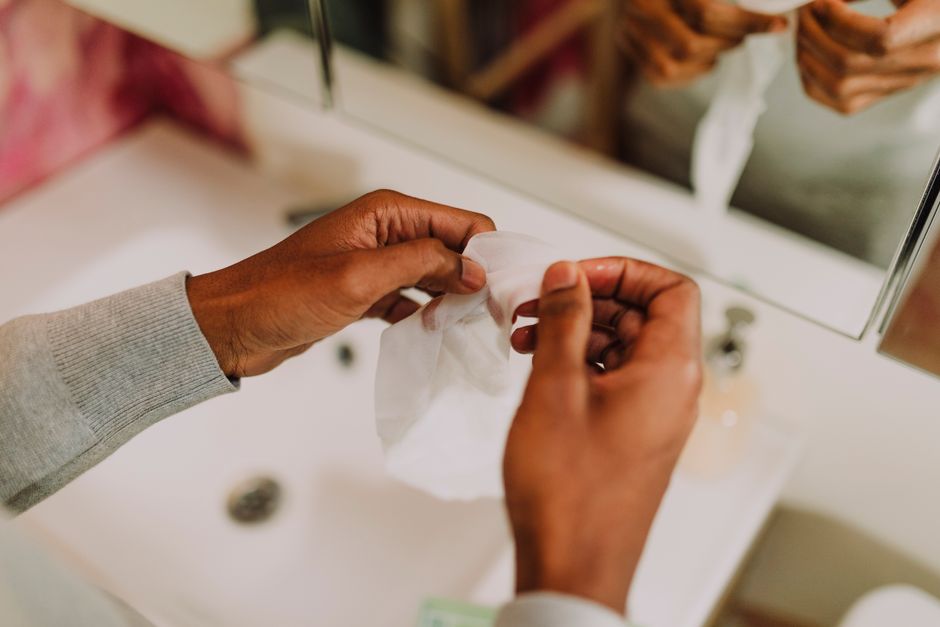
Wet your hands with clean running water, apply soap, and scrub the palms, backs of the hands, between the fingers, and under the nails for at least 20 seconds. Rinse well and dry with a clean towel or air dryer. The timing matters more than a special brand of soap. Plain soap removes germs through friction and rinsing.
Use this routine after blowing your nose, coughing into your hands, changing a diaper, using the bathroom, preparing food, eating, or touching objects that many people handle. If soap and water are not available, use an alcohol-based hand sanitizer containing at least 60% alcohol, then wash with soap and water when you can.
Do not turn cleaning into a false promise
Surface cleaning has a place, but wiping every object in a home cannot replace clean air, vaccination, or staying home while ill. Focus on high-touch items that several people use, such as door handles, phones, remote controls, faucet handles, and shared keyboards. Follow the product label, keep disinfectants away from children, and never mix cleaning chemicals.
A common mistake is to touch a dirty phone immediately after washing your hands, then rub your eyes. Clean hands help only when the next behavior does not undo the work. For ordinary winter prevention, targeted cleaning plus hand hygiene is the sensible position; constant deep-cleaning is usually a poor use of time.
When masks and cleaner air offer the most protection

Match the tool to the setting
Cleaner air is the first choice for crowded indoor spaces. Open a window when outdoor conditions allow, use a kitchen or bathroom exhaust fan that vents outdoors, and avoid blocking air returns or supply vents. A portable HEPA cleaner can help when it is correctly sized for the room, placed where air can move freely, and maintained according to its instructions.
| Situation | Useful step | Reason |
|---|---|---|
| Small crowded room | Increase outdoor-air exchange and reduce time indoors | Dilutes airborne particles |
| Public transit or clinic | Wear a well-fitting respirator or mask | Reduces inhaled and exhaled particles |
| Sick person at home | Separate rooms when possible and improve airflow | Limits close, repeated exposure |
| Shared bedroom or office | Use filtration and avoid face-to-face time | Reduces concentration near the breathing zone |
Fit matters more than the logo
CDC guidance describes NIOSH-approved N95 respirators as the most protective common option, followed by well-fitting international respirators such as KN95 models. A 3M Aura 9205+ is one recognizable NIOSH-approved N95 model. Cloth masks usually provide less protection, especially when they gap around the nose and cheeks. A mask that slips below the nose defeats its main purpose.
For filtration examples, the Coway Airmega AP-1512HH Mighty is marketed for rooms up to about 361 square feet, while the Honeywell HPA100 is marketed for smaller rooms of roughly 155 square feet; room ratings and prices change by model and retailer. These examples are not required purchases. The verdict is to improve airflow first, then choose a comfortable, well-fitting mask or correctly sized cleaner for the setting.
The prevention mistakes that cause the most trouble
My strongest recommendation: stop treating prevention as a single product
Vitamin drinks, herbal blends, scented oils, and expensive “immune support” packages do not replace vaccination, ventilation, hand hygiene, or staying home when sick. Some supplements also interact with prescription medicines or create problems during pregnancy. A product can feel proactive while leaving the main exposure unchanged.
Five common failure modes
- Going to work sick. Fever medicine can hide a symptom while the person remains contagious.
- Using a loose mask. Gaps around the nose and cheeks allow air to bypass the filter.
- Relying on hand sanitizer after every exposure. Sanitizer cannot clean the air or undo close face-to-face contact.
- Ignoring the room. A closed, crowded space can matter more than whether one person wiped a desk.
- Waiting too long to seek care. High-risk people may have a narrow window for early antiviral treatment.
Do not buy a device or supplement because its label promises “immune boosting” or total protection. Buy nothing when the basic habits are missing. The better alternative is a short household plan: vaccination review, a cleaner-air step, a handwashing routine, and a rule for staying home when sick.
What to do when symptoms begin
Which symptoms suggest a cold, flu, or another virus?
Colds often develop gradually and commonly cause sneezing, congestion, and a sore throat. Flu more often begins abruptly and can bring fever, chills, body aches, strong fatigue, headache, and cough. Symptoms overlap, so appearance alone cannot reliably identify the virus. Testing and clinical judgment may be needed, especially when treatment decisions matter.
Once symptoms begin, stay home and limit close contact. Improve airflow, wear a well-fitting mask around other people, cover coughs, wash hands, and avoid sharing drinks, towels, or eating utensils. A person can protect others even when the exact virus is unknown.
When is medical care urgent?
Seek urgent medical care for trouble breathing, chest pain, new confusion, severe dehydration, bluish lips or face, or symptoms that improve and then sharply worsen. Infants, older adults, pregnant people, and people with chronic conditions may need earlier advice. The CDC list of flu warning signs provides a useful reference, but a clinician should assess severe or unusual symptoms.
No state law is discussed here. This is not legal advice — consult a licensed attorney. For health decisions, consult a qualified medical professional who knows the patient’s history. Winter prevention will keep evolving as vaccines, indoor-air standards, testing, and public-health guidance improve; the durable lesson is to use several modest protections together instead of waiting for one perfect solution.
Always consult a qualified healthcare professional before making health-related decisions.