
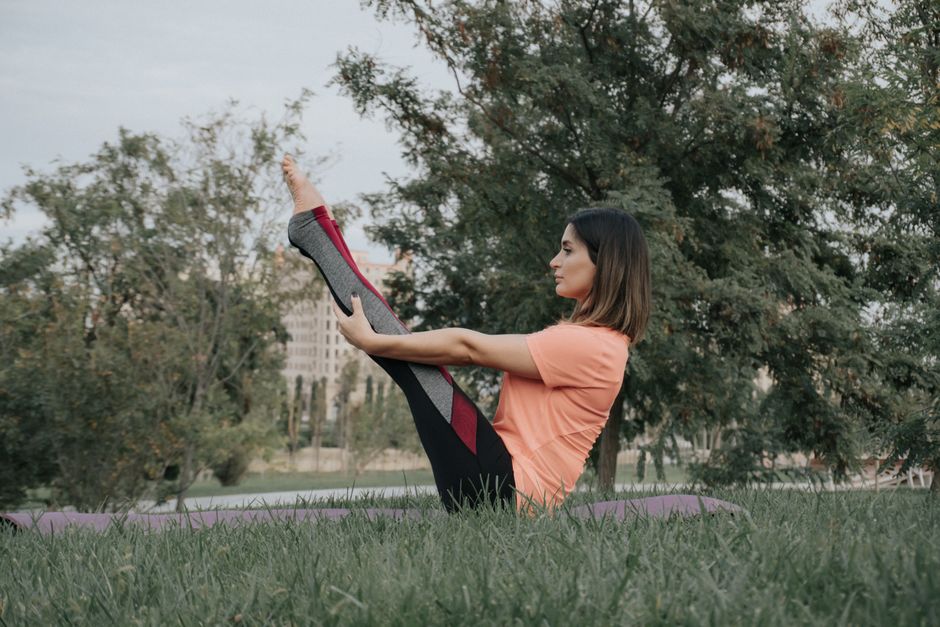
The best outdoor bodyweight workouts are built around a few movements you can repeat, measure, and progress. You do not need a perfect calisthenics park. A pull-up bar, a bench, a patch of level ground, and 30 minutes are enough to train your legs, chest, back, shoulders, and core.
My clear pick for most people is a three-day park routine: one strength-focused session, one conditioning session, and one easier technique day. That setup builds more useful fitness than doing random burpees until you feel exhausted.
Build a park workout that actually works
A park workout needs the same four ingredients as a gym session: a movement that pushes, a movement that pulls, a leg exercise, and a core exercise. The park simply changes the tools. A bench becomes a step, incline push-up station, or support for split squats. A bar gives you rows, hangs, and pull-ups. The ground handles planks, crawls, mountain climbers, and floor work.
Use this simple weekly structure
| Day | Session | Workload | Goal |
|---|---|---|---|
| Monday | Strength circuit | 4 rounds, 6-12 reps | Build control and strength |
| Wednesday | Conditioning circuit | 20 minutes, timed rounds | Raise heart rate without losing form |
| Saturday | Technique and mobility | 3 rounds, easy pace | Practice positions and recover |
Pick a difficulty you can repeat
Stop each set with one or two clean reps left. If you cannot complete five controlled incline push-ups, do not start with floor push-ups. If a pull-up bar is too difficult, use feet-assisted rows under a low bar. The winning level is the one that lets you train again two days later without sharp joint pain or ruined form. For a beginner, three rounds of eight squats, six incline push-ups, six assisted rows, and a 20-second plank is a better starting point than a heroic single session.
Verdict: Use a repeatable four-movement structure before adding fancy variations. Consistency beats novelty in the park.
Why bodyweight training works outdoors
The useful resistance is your own position
Bodyweight training works because changing your body angle changes the load, so moving your feet farther from a bench makes an incline push-up harder, lifting one heel turns a squat into a balance challenge, and slowing the lowering phase to three seconds can make a simple movement demanding without adding a dumbbell.
The park adds balance and coordination
The strongest reason to train outside is not the scenery; it is the mix of stable and unstable positions that forces you to control your ribs, hips, shoulders, and feet together, which is why a slow step-up, hanging knee raise, or bear crawl can expose weak links that a fast machine exercise may hide.
Verdict: Park training is best for people who want practical strength, better movement, and a routine they can start immediately; it is less useful for someone whose only goal is maximal powerlifting numbers, because bodyweight loading becomes harder to measure once basic variations feel easy.
Seven movements worth mastering first
Do not collect 30 exercises before you can perform seven well. These are the movements I would build around for the first eight weeks, and each one has a clear progression instead of a vague promise that you will somehow get stronger.
Push, pull, and support
- Incline push-up: Place hands on a bench, keep your body straight, lower your chest toward the edge, and progress by using a lower surface until you reach the ground.
- Bench dip: Use a stable bench, keep shoulders down, and bend your elbows only as far as your shoulders remain comfortable; switch to close-grip push-ups if dips cause front-of-shoulder pain.
- Inverted row: Hold a low horizontal bar, brace your body like a plank, and pull your lower chest toward the bar; bend your knees to make the movement easier.
Legs, hips, and trunk
- Split squat: Take a long stance, lower your back knee toward the ground, and drive through the front foot; use 8-12 reps per side.
- Step-up: Choose a bench no higher than mid-shin for your first session, place the whole foot on it, and stand without pushing hard from the trailing leg.
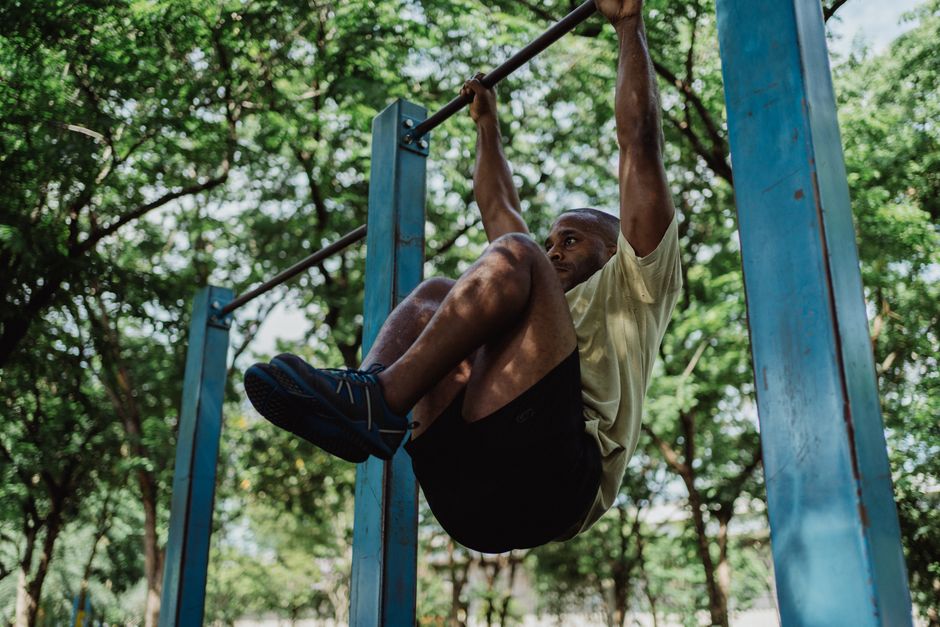
- Hanging knee raise: Start with a five-second dead hang, then pull your knees toward your ribs without swinging; use lying knee raises if grip fails first.
- Bear crawl: Keep knees a few inches above the ground and move slowly for 10-20 meters, keeping your hips from rocking side to side.
For strength, use three or four sets and rest 60-120 seconds. For conditioning, use lighter versions and move for 20-40 seconds. Do not turn every exercise into a race. The main failure mode in park workouts is speed hiding weak positions, especially during push-ups, step-ups, and hanging work.
Verdict: Master these seven patterns before chasing handstands, muscle-ups, or high-rep challenges. They cover more useful ground with less injury risk.
A 30-minute park session you can repeat
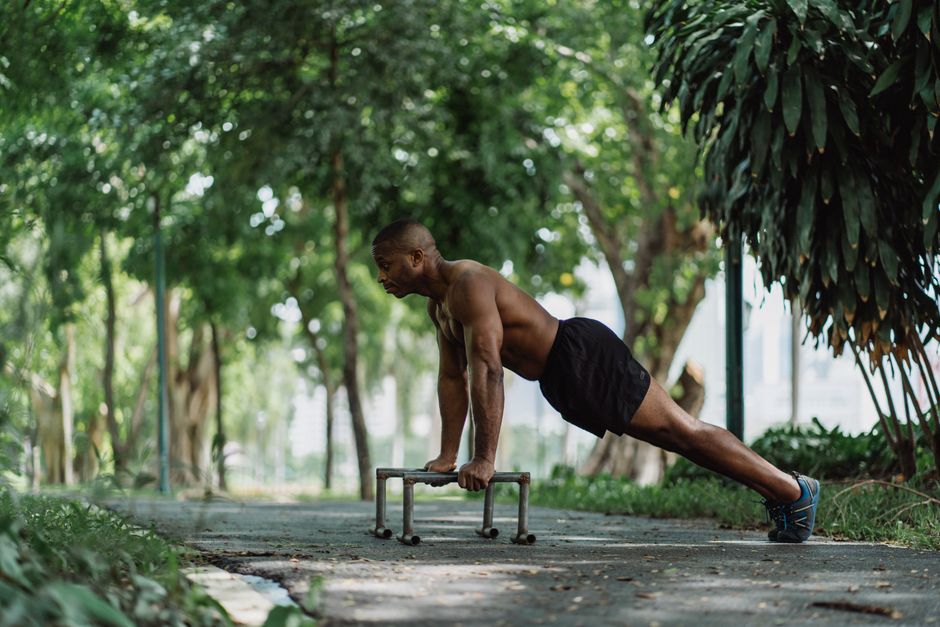
Use this session twice per week for four weeks. Bring water, spend seven minutes warming up, and record the variation, repetitions, and rest time in your phone. Progress by adding one rep per set, reducing bench height, slowing the lowering phase, or cutting rest by 10 seconds. Change only one variable at a time.
Warm-up and main circuit
- Walk briskly or jog slowly for two minutes.
- Complete 10 arm circles, 10 bodyweight good mornings, 10 reverse lunges, and 20 seconds of easy plank.
- Perform 8-12 incline push-ups.
- Perform 8-12 split squats on each leg.
- Perform 6-10 assisted rows or inverted rows.
- Hold a plank for 20-40 seconds.
- Rest 90 seconds and repeat the circuit for three or four total rounds.
Finish without wrecking tomorrow
End with six minutes of intervals: walk quickly for 40 seconds, then stand or walk slowly for 20 seconds. Repeat six times. This gives you a cardiovascular finish without burying your legs after the strength work. If your knees feel irritated, replace jogging with a brisk walk and remove jump squats. If your lower back takes over during planks, shorten the hold and squeeze your glutes.
Verdict: This session is the best default because it trains the whole body, fits a lunch break, and leaves enough energy for your next workout. Add a fourth round only after all three rounds look controlled.
Common park-workout questions answered
How many days per week should I train?
Start with three nonconsecutive sessions. Two strength circuits and one lighter conditioning or mobility session work well for beginners. Leave at least 24 hours between hard sessions for the same muscle groups. More days are not automatically better, especially when every workout includes push-ups, lunges, and jumping.
What should I do if I cannot do a pull-up?
Use three steps: hang with your feet lightly supported, perform slow negatives by stepping to the top and lowering for three to five seconds, then practice assisted rows under a low bar. Train pulling twice per week and stop before your grip becomes unsafe. A band-assisted pull-up is useful, but it should reduce the load enough for a controlled repetition rather than hide swinging.
How do I train safely in a public park?
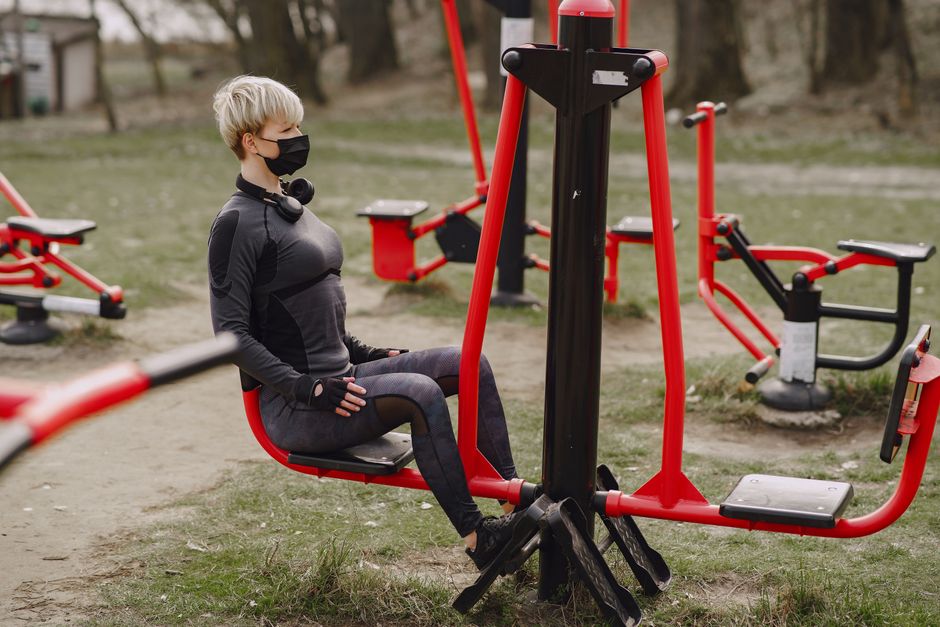
Inspect the surface and equipment before starting. Avoid wet metal, loose benches, cracked pavement, and bars that move under bodyweight. Train away from busy walking paths, keep a clear landing area for any jump, and avoid max-effort attempts when you are alone. Sharp pain is a stop signal; normal muscle fatigue is not.
Verdict: A park session should leave you confident about the next session, not proud that you ignored warning signs. Scale the movement first, then add volume.
Which park workout should you choose?
The right routine is the one that matches your current ability and the equipment in front of you. Beginners often need a slower plan, not a softer attitude: controlled repetitions teach the positions that harder variations demand later. Experienced trainees can use more difficult angles, longer sets, and shorter rests, but the same movement patterns still provide the backbone.
Choose by your main goal
| Goal | Best park format | Key movements | Starting dose |
|---|---|---|---|
| Basic strength | Slow circuit | Push-up, row, split squat, plank | 3 rounds of 6-12 reps |
| Fat loss support | Timed circuit | Step-up, bear crawl, incline push-up, fast walk | 20 seconds work, 40 seconds recovery |
| Pull-up progress | Bar practice | Dead hang, row, negative, assisted pull-up | 4 sets, stop before grip failure |
| Joint-friendly fitness | Low-impact session | Bench push-up, step-up, walking lunge, plank | 2-3 rounds at an easy pace |
Use this final decision rule
If you can train for 30 minutes three times weekly, use the full circuit. If you have only 15 minutes, perform one push, one pull, one leg movement, and one core movement for two rounds. If the park has no bar, choose rows with a suspension trainer or use a second push variation while you arrange a better pulling option. The clear winner for most readers is the repeatable full-body circuit: it builds strength, improves conditioning, requires little equipment, and gives you a simple way to measure progress every week.
Always consult a qualified healthcare professional before making health-related decisions.


