Which foods should you put in your cart if you want healthier cholesterol levels? Start with foods that add soluble fiber and unsaturated fats, then replace butter, fatty meat, refined snacks, and sugary drinks. This approach targets LDL cholesterol, the blood fat most linked with artery disease, without turning every meal into a bowl of plain vegetables.
The goal is not to find one magic food. Your strongest results come from repeating a few useful swaps every day and checking your blood test after your clinician gives the changes time to work.
What raises LDL cholesterol in your everyday diet?
Saturated fat matters more than dietary cholesterol for most people
Foods high in saturated fat can raise LDL cholesterol. Common sources include fatty beef, bacon, sausage, butter, cream, full-fat cheese, coconut oil, and palm oil. A cheeseburger with fries can deliver saturated fat from several sources at once, so changing only the meat may not fix the whole meal.
Dietary cholesterol still matters for some people, but saturated fat usually deserves the first place on your shopping list. Swap butter for olive oil, sausage for beans or fish, and cream-based sauces for sauces made with low-fat milk or blended vegetables. The American Heart Association also advises checking serving sizes because a label showing zero grams of trans fat can still hide small amounts when a food contains partially hydrogenated oil.
LDL, HDL, and triglycerides need different strategies
LDL carries cholesterol toward the artery wall, while HDL helps carry cholesterol back to the liver. Triglycerides respond strongly to excess calories, alcohol, and added sugars. A food that supports one number may not solve every blood-lipid problem.
Best starting rule: build most meals around vegetables, beans, whole grains, fish, nuts, seeds, and unsaturated oils. Then reduce saturated fat before chasing specialty foods.
Which foods help lower LDL cholesterol?
Choose soluble fiber at two meals each day
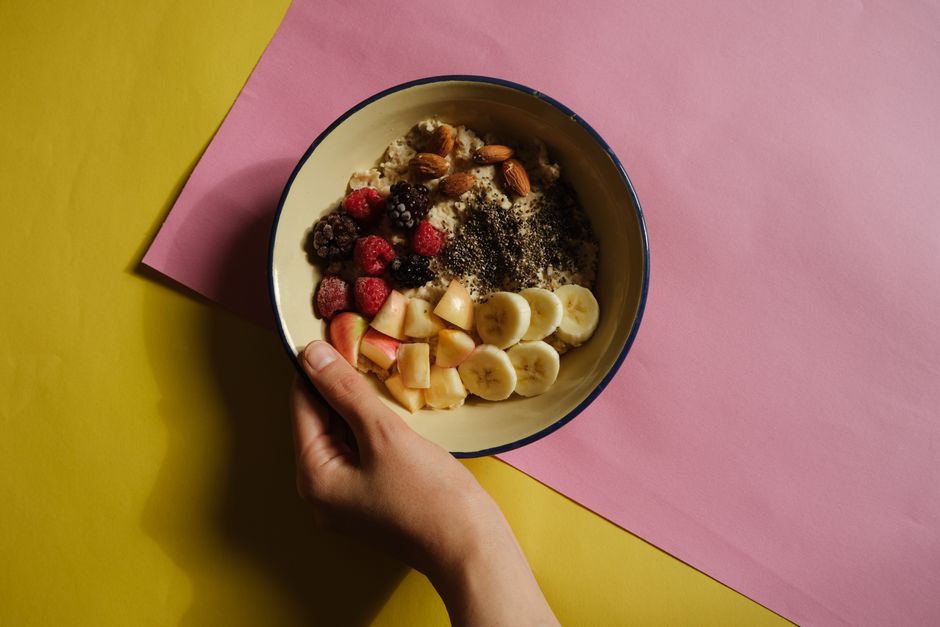
Soluble fiber mixes with water in the digestive tract and helps carry some cholesterol out of the body. Oats, barley, beans, lentils, apples, citrus fruit, okra, and eggplant are useful choices. The NHLBI Therapeutic Lifestyle Changes plan lists 10 to 25 grams of soluble fiber per day as an option for extra LDL lowering, while the American Heart Association recommends 25 to 34 grams of total fiber daily for adults.
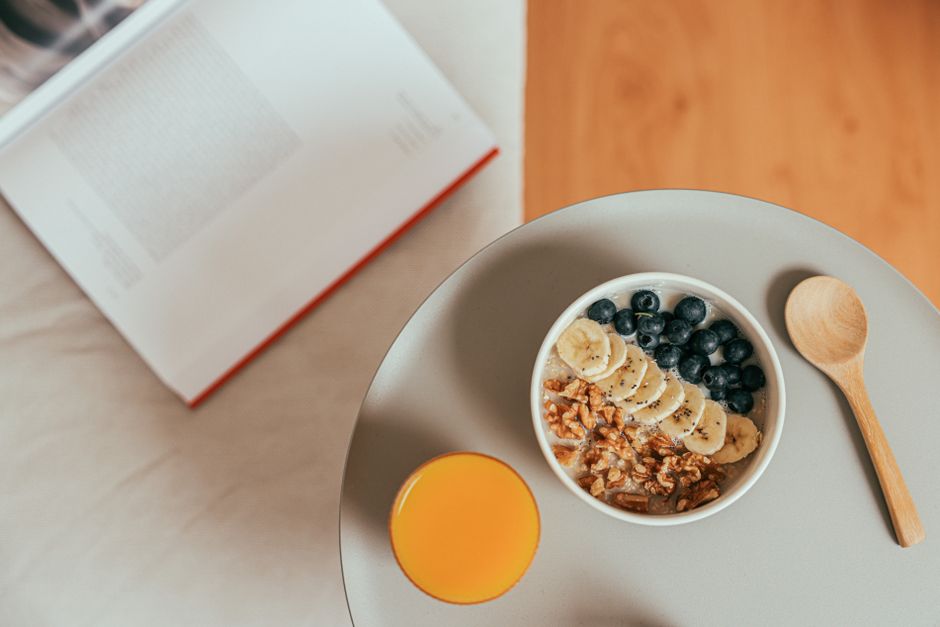
Do not jump from a low-fiber diet to a very high-fiber diet overnight. Add one serving every few days and drink enough fluid. A simple breakfast is half a cup of dry oats cooked with berries and ground flaxseed. For lunch, add half a cup of lentils or beans to a salad, soup, or grain bowl.
Use unsaturated fats in measured portions
Extra-virgin olive oil, avocado, walnuts, almonds, chia seeds, and fatty fish provide unsaturated fats. They work best as replacements for butter, shortening, fatty meat, or cream sauces. Adding olive oil on top of an already rich meal raises calories without fixing the saturated-fat problem, so measure it with a tablespoon.
Clear winner for a basic grocery cart: oats plus beans. They are inexpensive, easy to store, and supply the fiber that many people miss. Add nuts, fish, and olive oil after those two foods become routine.
How can you build a cholesterol-smart plate?
Use the half-quarter-quarter method
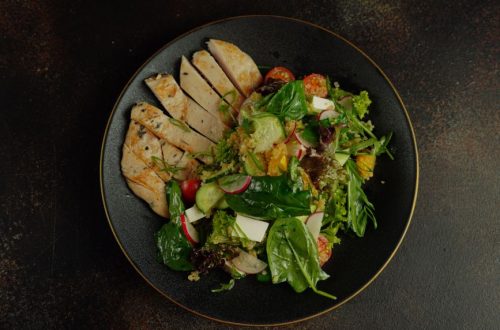
Fill half the plate with vegetables or fruit, one quarter with beans, fish, skinless poultry, tofu, or another lean protein, and one quarter with oats, barley, brown rice, quinoa, or whole-grain pasta. Add a small amount of unsaturated fat, such as one tablespoon of olive oil or a small handful of nuts.
This structure solves two common problems at once: it increases fiber and makes it harder to crowd the meal with fatty meat or refined starch. It also works at restaurants. Order grilled fish or beans, ask for vegetables instead of fries, and request sauce on the side.
Read the label in the right order
Start with serving size. Then check saturated fat, fiber, added sugar, sodium, and the ingredient list. A practical target is at least 3 grams of fiber per serving for a packaged grain or cereal, with as little saturated fat as possible. The AHA label guide treats 5% of the Daily Value as low and 20% as high, but compare similar products because serving sizes differ.
Do not select a food only because it says “cholesterol-free.” Vegetable oils can contain no cholesterol and still add many calories. A packaged snack can also be cholesterol-free while containing palm oil, coconut oil, or a large amount of saturated fat. The American Heart Association label guide and the NHLBI TLC guidance are better references than front-of-package slogans.
Verdict: choose the meal pattern first and use the label to compare close alternatives. A strong plate beats a single “heart healthy” ingredient.
Which grocery products make the swaps easier?
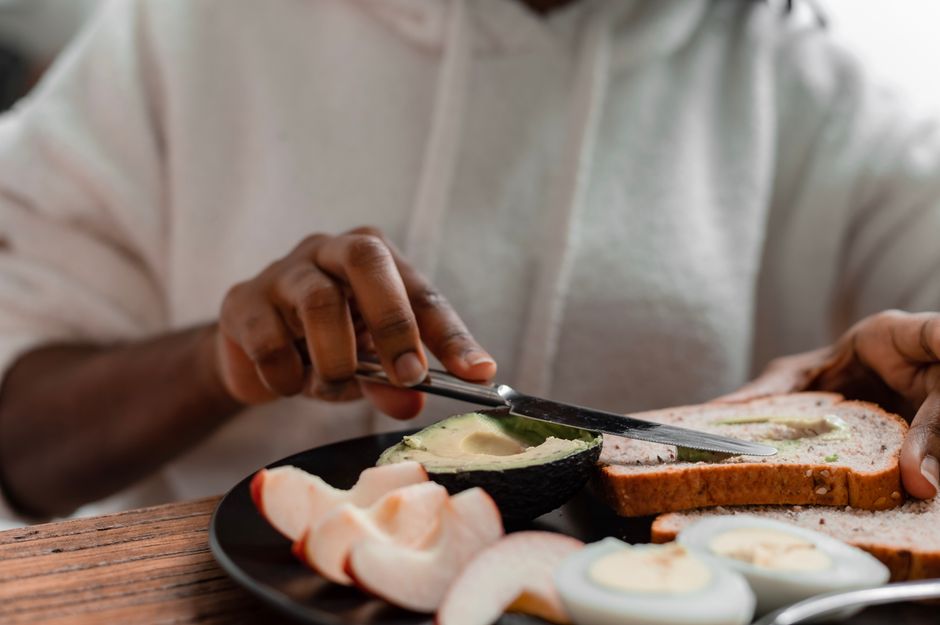
Simple products with useful serving targets
Brand names can make shopping faster, but the nutrition label still decides the purchase. These examples are ordinary foods, not cures or endorsements. Prices and formulas vary by store, so use the serving details as your buying guide.
| Product example | Practical use | What to check |
|---|---|---|
| Quaker Old Fashioned Oats | Use 1/2 cup dry oats for breakfast; the label lists about 4 grams of fiber per serving. | Choose plain oats instead of flavored packets with added sugar. |
| Goya Low Sodium Black Beans | Use 1/2 cup rinsed beans in soup, salad, tacos, or a grain bowl. | Compare sodium across cans and rinse before eating. |
| California Olive Ranch Extra Virgin Olive Oil | Measure 1 tablespoon for roasting vegetables or dressing a salad. | Use it to replace butter, not as an extra pour over a high-fat meal. |
| Bob’s Red Mill Psyllium Husk | Start with the package serving and plenty of water if your clinician or pharmacist approves. | Separate it from medicines as directed because fiber can affect absorption. |
| Benecol Original Spread | Use only the serving listed on the package if you choose a plant-stanol spread. | Check the plant stanol amount and treat it as an add-on, not a replacement for prescribed care. |
Best buy for most households: plain oats. They are versatile, shelf-stable, and easier to use every morning than a specialty spread.
Do oats, eggs, fish, and plant sterols really help?
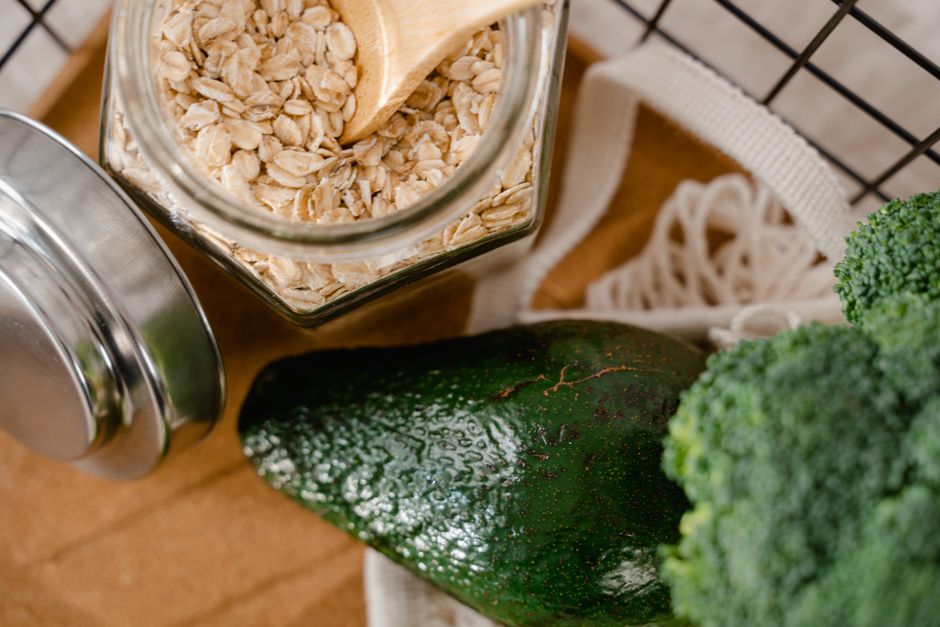
Are oats and beans better than eggs for LDL?
For lowering LDL, oats and beans give you soluble fiber, so they deserve a regular place in the plan. Eggs can fit into a balanced diet for many people, but adding eggs while also eating bacon, sausage, butter, and cheese creates a much higher saturated-fat meal. The full pattern matters more than one food in isolation.
Should you eat fish instead of red meat?
Yes, for most adults who eat seafood, replacing fatty or processed meat with fish is the stronger choice. Salmon, sardines, trout, and other fish provide unsaturated fats and usually less saturated fat than bacon or fatty beef. Aim for two fish meals weekly if that fits your preferences and local safety guidance. Choose beans or tofu more often if fish is too expensive or unavailable.
Are plant sterols worth buying?
Plant sterols and stanols can reduce LDL when consumed in the right amount. NHLBI guidance describes about 2 grams daily as a useful target, with possible LDL reductions of roughly 5% to 15%. A fortified spread or drink may help someone who needs an extra tool, but the label must show the amount per serving. People with medication questions, digestive conditions, pregnancy, or unusual cholesterol disorders should ask a clinician first.
Verdict: choose oats, beans, fish, nuts, and vegetables before specialty products. Plant-sterol foods are an optional tool, not the foundation.
What should a seven-day cholesterol shopping plan look like?
Buy these foods first
- Plain oats or barley for at least four breakfasts.
- Four cans of low-sodium beans or a bag of dried lentils.
- Frozen vegetables and two types of fresh fruit.
- Brown rice, whole-grain bread, or another high-fiber grain.
- Unsalted walnuts or almonds, portioned into small containers.
- Olive oil measured with a tablespoon.
- Two fish portions, tofu, or extra beans for meat-free meals.
Repeat this simple schedule
On day one, replace a buttered breakfast with oats and fruit. On day two, add beans to lunch. On day three, use olive oil instead of butter for cooking. On day four, serve fish with vegetables and barley. On day five, replace processed meat with lentils or tofu. On day six, check every packaged food for saturated fat, fiber, and added sugar. On day seven, prepare two bean or grain dishes so the next week starts with food ready to eat.
Give the pattern several weeks before judging your blood test, unless your clinician asks for an earlier check. Record meals, portions, weight changes, and any digestive symptoms. That record makes the next medical conversation more useful.
Final recommendation: build your cholesterol plan around plain oats, beans, vegetables, whole grains, fish or tofu, nuts, and measured olive oil. Make saturated-fat swaps first, add soluble fiber every day, and use fortified plant-sterol foods only when they solve a specific need. For most people, this repeatable grocery routine is the best path to healthier LDL cholesterol.
Always consult a qualified healthcare professional before making health-related decisions.