
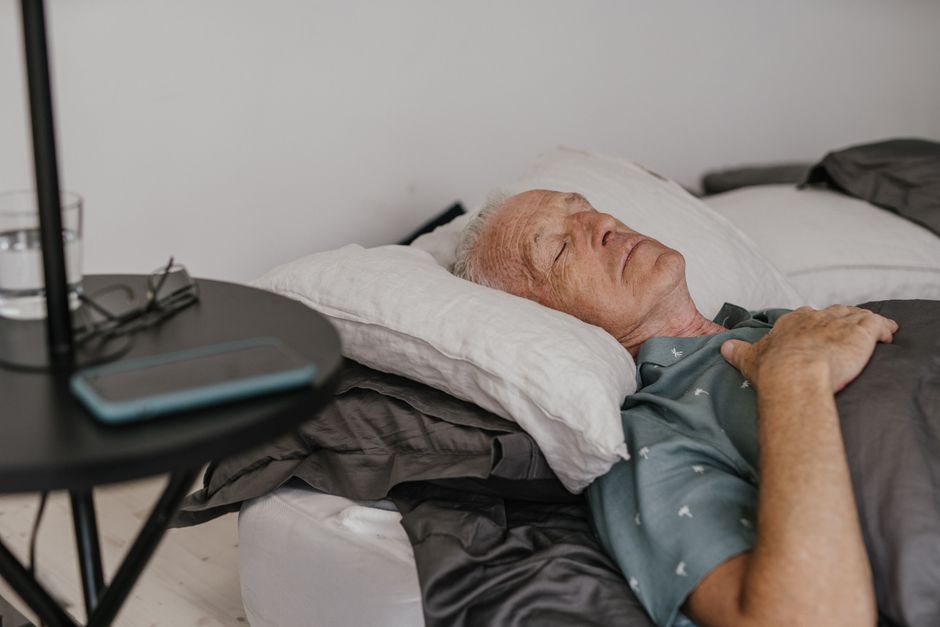
A cold shower is not the answer to every hot night. It may cool your skin for a few minutes, but it does nothing about a humid bedroom, a heat-trapping mattress, or stale air around your body. Better sleep comes from controlling three things: your body temperature, the air around the bed, and the moisture in the room.
Why heat, not lack of willpower, keeps you awake
Your body needs to lose heat before sleep
Your core temperature normally falls as you prepare for sleep. A hot bedroom slows that drop, so you stay restless, sweat through your clothes, and wake more easily during lighter sleep. That is why simply telling yourself to relax rarely works when the room feels like a closed attic. The National Heart, Lung, and Blood Institute advises keeping the bedroom on the cool side, and sleep research links warmer rooms with less sleep and more time awake.
The first-principles fix is simple: help heat leave your skin. Loose sleepwear, a breathable sheet, moving air, and a cooler room all support that process. Heavy foam mattresses can make the problem worse because they hold body heat close to your back and hips. A thick duvet can do the same even when the thermostat looks reasonable.
Humidity turns warmth into stickiness
Dry heat and humid heat are different problems. When humidity rises, sweat evaporates more slowly, so your body loses heat less efficiently. You may feel clammy at 75°F because the air is wet, while a drier 78°F room can feel easier to tolerate. Put a small hygrometer beside the bed and check the number instead of guessing.
The EPA recommends indoor humidity below 60%, ideally between 30% and 50%, to limit moisture problems. That range is a useful sleep target too, but do not buy a humidifier for a muggy summer bedroom. Use air conditioning, ventilation, or a dehumidifier instead.
A fan changes comfort, not the weather
A fan does not lower the room temperature. It moves air across your skin, helps sweat evaporate, and can push warm air out through a window when outdoor conditions allow. Pointing a powerful fan at a closed wall wastes the airflow. Aim it across the bed, toward an open window, or from the window toward the door to create a clear path.
Pick your target: cool body, dry air, quiet room
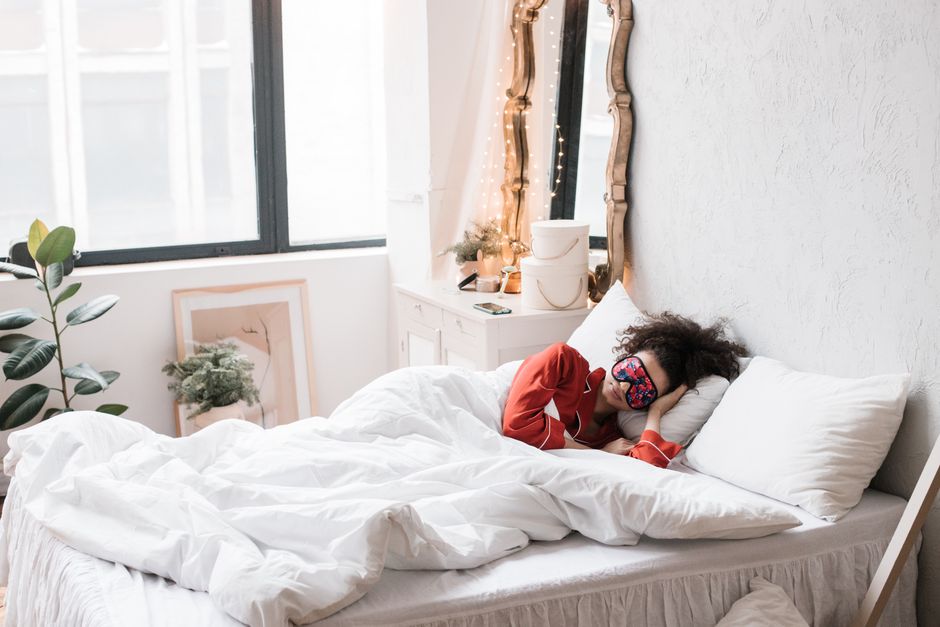
Cool the sleeper first
The best target is a comfortable body, not an aggressively cold room, so start with a thin cotton or linen sheet, loose clothing, and a pillow that does not trap heat around your head and neck, then use moving air across the bed because airflow improves evaporation even when the thermostat barely changes.
Control the room second
If the air feels damp, lower humidity before adding more fan speed, because a louder fan cannot remove moisture, and if outside air is cooler after sunset, open two windows on opposite sides of the home for cross-ventilation while closing blinds and curtains during the hottest part of the day.
Keep the thermostat steady instead of turning the air conditioner off and on all night, since large temperature swings can wake you and force the system to work harder, while a bedroom near 65°F to 68°F works well for many sleepers who dislike sweat but do not want a freezing room.
For a couple with different temperature preferences, cool only the bed or one side of the bed instead of making the entire room uncomfortable, and do not spend hundreds of dollars on a specialized device until you have tested the free fixes for at least three nights.
Which cooling product is worth buying?

My pick: buy airflow before bed technology
The Vornado 660 is the best first purchase for most hot sleepers. It costs $119.99 on Vornado’s US product page, has four speed settings, tilts vertically, and is designed to move air up to 100 feet. That long throw matters in a warm bedroom because you can place it across the room instead of six inches from your face. The official Vornado 660 listing also gives it a five-year satisfaction guarantee. It is not silent at turbo speed, but low or medium airflow usually gives a better balance of cooling and noise than a tiny bedside fan.
The cheaper bedroom option
The Honeywell QuietSet HYF260 is the practical budget choice. Honeywell lists five speed levels, oscillation, a remote, automatic light dimming, and 1-, 2-, 4-, and 8-hour shut-off timers; its listed regular price is $69.99, though sales change. At 15.75 inches wide and 39.8 inches high, it takes little floor space and spreads air across a bed rather than blasting one small spot. Choose it for a compact bedroom or a sleeper who wants a timer. The HYF260 specifications are clear, which is more useful than vague claims about powerful cooling.
When a bed-cooling system makes sense
The BedJet 3 is the serious option for night sweats, hot flashes, or couples who need different temperatures. Its current US listing shows $498 on sale against a $699 list price, with a two-year warranty and air-based cooling that sends conditioned airflow into a compatible Cloud Sheet. The system lists a 66°F to 109°F regulated range on its dual-zone specifications. It costs far more than a fan and needs space under or beside the bed, so it is a poor buy for someone whose room is simply warm for a few weeks each year. Buy it for a persistent bed-level problem that room airflow does not solve, not because the product looks high-tech.
| Product | Listed price | Best use | Verdict |
|---|---|---|---|
| Honeywell QuietSet HYF260 | $69.99 regular price | Small rooms, timer, low budget | Best value tower fan |
| Vornado 660 | $119.99 | Long-range room circulation | Best first purchase |
| BedJet 3 | $498 sale, $699 list | Bed-level cooling and night sweats | Best premium fix |
Questions people ask when the room stays hot
Should I sleep with a fan blowing directly at me?
Yes, if the airflow feels comfortable and the fan does not dry your eyes, nose, or throat. Direct airflow can lower skin temperature and make sleep easier, but a strong stream may aggravate allergies or stiffen your neck if it forces you to tense your shoulders. Aim the fan across your upper body or toward your feet, then lower the speed once you stop sweating. A timer is useful if the noise helps you fall asleep but bothers you at 3 a.m.
Do cooling sheets fix a hot mattress?
Only partly. A breathable sheet can feel cooler during the first few minutes, but it cannot remove the heat stored inside a dense mattress. If your back feels hot even in a cool room, test a thinner blanket, a breathable mattress protector, or a bed-level airflow system before replacing the whole mattress. Do not trust the word cooling on the package by itself; check the fiber content, fabric weight, return policy, and washing instructions.
When is heat a health problem instead of a sleep problem?
If you develop confusion, fainting, severe weakness, vomiting, a very high body temperature, or unusual behavior, stop treating the issue as ordinary summer discomfort. Move to a cool place and seek urgent medical help. The CDC identifies confusion and loss of consciousness as heat-stroke warning signs. Older adults, infants, pregnant people, and anyone with heart, lung, or kidney conditions may need a lower threshold for calling a clinician. A fan in a dangerously hot room is not a substitute for cooling the person or getting help.
The final choice: spend $0, $70, $120, or $500
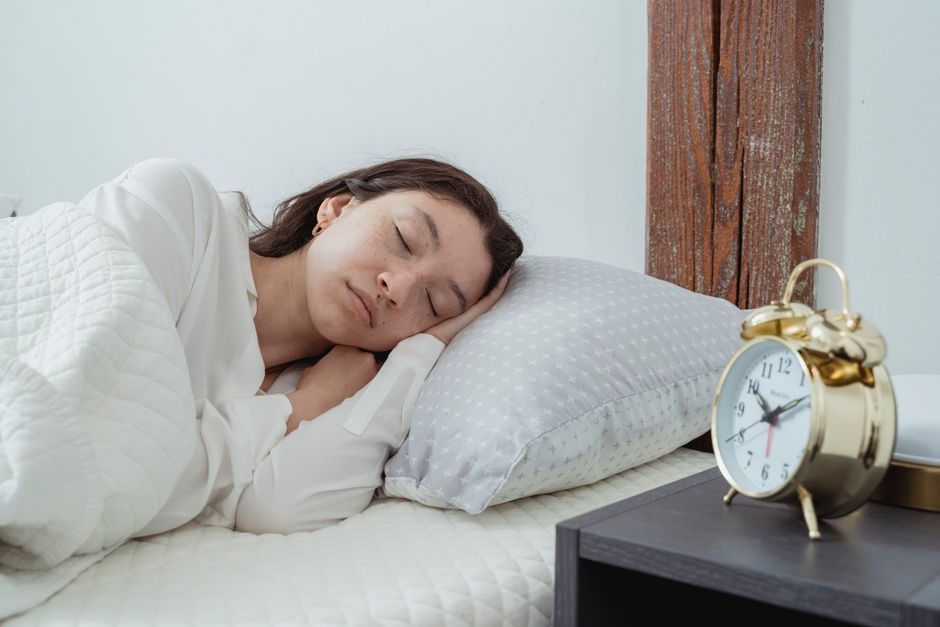
Start with the cheapest fix that targets the real problem
If your room is hot because sunlight pours through the window, buy blackout curtains or change the timing of ventilation before buying electronics. If your skin feels sticky, measure humidity and remove moisture. If the air is acceptable but your mattress feels like a heat pad, focus on bed-level cooling. The right purchase depends on the failure point, but the order is not complicated: block heat, move air, control humidity, then add specialized equipment.
Quick comparison
| Situation | Best move | What to avoid |
|---|---|---|
| Warm room, dry air | Vornado 660 or another long-throw fan | A tiny fan pointed at a wall |
| Small bedroom and limited budget | Honeywell QuietSet HYF260 | Paying for bed technology you do not need |
| Humid, sticky air | Air conditioning or dehumidification plus airflow | Adding a humidifier |
| Night sweats or different couple preferences | BedJet 3 bed-level cooling | Making the entire room cold for one sleeper |
| Heat caused by sunlight or heavy bedding | Close curtains early and remove layers | Sleeping under a thick comforter because it looks neat |
Always consult a qualified healthcare professional before making health-related decisions.