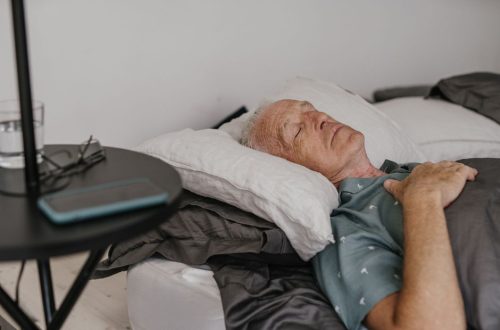

It is 7:15 a.m. The alarm has gone off twice, the sky is still dark, and getting out of bed feels like a negotiation. By mid-afternoon, you are tired, irritable, and wondering why a normal workday feels so hard. January can do that.
The fix is not a heroic workout or a forced burst of optimism. Start with light, add regular movement, and make your first few hours predictable. That combination gives your body clearer timing cues and gives your mood more chances to recover.
Are the winter blues normal, or is it SAD?
What people mean by winter blues
Winter blues is a casual term for a seasonal dip in energy or mood. You may want more sleep, crave heavier food, avoid social plans, or feel less motivated when daylight shrinks. A few flat days after a stressful holiday period do not automatically point to a mental health disorder.
Still, do not dismiss a pattern that keeps returning. Track your mood, sleep, energy, and appetite for two weeks. Give each one a score from 1 to 10. The pattern matters more than one miserable Monday.
When the pattern needs medical help
Seasonal affective disorder is a form of depression with a seasonal pattern. Symptoms can include low mood most days, loss of interest, hopelessness, major sleep changes, trouble concentrating, and thoughts of death or self-harm. If those symptoms affect work, relationships, eating, or basic care, book an appointment with a doctor or mental health professional.
Do not try to solve severe depression with a walk and a brighter desk lamp. If you may hurt yourself or cannot stay safe, contact emergency services or a local crisis line now. In the United States and Canada, call or text 988. Elsewhere, use your country’s emergency number or crisis service.
The clear verdict: mild seasonal sluggishness deserves a routine reset; persistent or dangerous symptoms deserve professional care.
How to build a January morning that lifts your mood

Use the first hour as a timing signal
- Wake at roughly the same time on weekdays and weekends. A two-hour weekend sleep-in can make Monday feel worse.
- Open curtains immediately, even if the sky is grey. Sit near the brightest window while you drink water or eat breakfast.
- Get outside within the first hour for 10 to 20 minutes. Cloudy outdoor light is still usually brighter than indoor room lighting.
- Move for five minutes before checking work messages. Walk around the block, climb stairs, or do bodyweight squats.
- Delay bright phone scrolling until you have washed, dressed, and reached a brighter space.
Make the plan small enough to repeat
Do not set a January target of two-hour gym sessions at 5 a.m. That plan collapses after three cold mornings. Set a floor: ten minutes outside, five minutes of movement, and breakfast at a regular time. If you do more, good. The floor keeps the habit alive when motivation disappears.
Keep shoes, coat, and keys beside the door. Put the morning walk on your calendar. Remove decisions. The best mood routine is the one that still happens when you feel flat.
Use caffeine carefully. A large coffee at 4 p.m. may rescue the afternoon while wrecking sleep. Better sleep makes the next morning easier, so protect the cycle instead of borrowing energy from tomorrow.
Which daylight lamp is worth buying?
Buy a real light-therapy lamp only if winter darkness keeps you indoors or makes an outdoor morning difficult. A decorative warm lamp is not the same tool. Look for UV-free light and a stated intensity of 10,000 lux at a stated distance. The number matters because a lamp that reaches 10,000 lux only when your face is two inches away is awkward to use.
| Product | Published price checked in 2026 | Useful specifications | Verdict |
|---|---|---|---|
| Carex Day-Light Classic Plus | $169.99 | 10,000 lux at about 12–14 inches; large screen; UV-free bright white light | Best for a fixed desk setup and the widest light spread |
| Verilux HappyLight Luxe | $69.99 | Up to 10,000 lux; 4 brightness levels; 3 color-temperature settings; timer; UV-free LED | Best budget pick for a small desk or shared room |
| Lumie Vitamin L | $109.00 | 10,000 lux at 7.9 inches; 4,000K cool-white LEDs; portable; portrait or landscape use | Best portable option if you move between rooms |
My pick for most people
The Verilux HappyLight Luxe is the sensible buy for most beginners. It costs less than the other two, gives you brightness and color controls, and does not demand a permanent corner of your desk. The Carex Day-Light Classic Plus wins if you want a bigger treatment area and will use the lamp every weekday. The Lumie Vitamin L wins if you work in different rooms and need to pack the lamp away.
How to use one without making sleep worse
Use the lamp in the morning while reading, eating, or working. Do not stare directly into it. Start with the manufacturer’s timing instructions, keep the correct distance, and stop if you develop headaches, eye strain, nausea, agitation, or insomnia. More light is not automatically better.
Two cheap habits still come first: go outside when daylight is available, and keep the lamp near the task you already do every morning. A perfect lamp in a cupboard has zero effect.
Why a ten-minute walk beats a perfect workout

Choose movement that lowers friction
January exercise fails when people treat it like a character test. You do not need to become a runner to improve a low-energy morning. You need repeated muscle activity and a change of setting.
- Walk briskly for 10 minutes after breakfast.
- Take stairs for one flight, three times during the workday.
- Stand during one phone call each morning.
- Do two rounds of 10 chair squats, 10 wall push-ups, and 30 seconds of marching.
- Walk for five minutes after lunch, even if the weather is dull.
Use the minimum dose that you can repeat
A short walk can break the loop of bed, sofa, screen, and more sofa. It also gives you outdoor light and a change in sensory input at the same time. That is why a ten-minute walk often beats an ambitious workout that happens once a week.
Keep the pace brisk enough to warm up but easy enough to speak in full sentences. If you have chest pain, severe breathlessness, dizziness, or a medical condition that limits exercise, ask a clinician how to start safely.
My recommendation is simple: schedule one outdoor walk before noon and one after lunch. Put strength training on the calendar two days a week if you enjoy it. Do not make your mood depend on completing a fitness identity.
The January mistakes that flatten your mood
Mistake one: waiting for motivation
Motivation is unreliable when you already feel tired. Put the walk, breakfast, and bedtime on a written schedule. Use alarms if needed. The first action should be so easy that you can start before your brain begins arguing.
Do not judge the routine by how you feel before doing it. Judge it by whether you completed it and whether the afternoon was slightly easier. Mood often lags behind behavior.
Mistake two: staying indoors because the weather is not perfect
Cold, rain, and cloud cover make outdoor light less pleasant, but they do not turn it off. Wear a proper coat, use waterproof shoes, and shorten the walk if conditions are rough. A covered porch, bright public library, or morning commute on foot may work better than waiting for blue skies.
Skip outdoor exercise during dangerous ice, extreme cold, poor air quality, or severe storms. Safety beats a mood routine.
Mistake three: treating sleep as separate from mood
Late-night scrolling, irregular wake times, alcohol, and afternoon caffeine can all make January fatigue harder to shift. Keep wake time steady, dim bright screens close to bed, and avoid using a daylight lamp late in the day. If you snore loudly, wake gasping, or sleep eight hours and still feel exhausted, ask about sleep apnea or another medical cause.
Also avoid turning the plan into punishment. You are building stronger daily signals, not earning the right to rest. A missed walk is a missed walk. Restart at the next available hour.
When light therapy needs a clinician

Who should check first
Talk with a clinician before starting bright light therapy if you have bipolar disorder, an eye condition, a history of retinal problems, or a condition that makes you sensitive to light. Ask about your medicines too. Some medicines increase sensitivity to light, and bipolar disorder needs special care because bright light can sometimes push mood too high.
Watch for warning signs such as unusually little need for sleep, racing thoughts, impulsive spending, intense irritability, or a sudden jump in energy. Stop the lamp and contact your clinician if these appear.
What light therapy cannot replace
A lamp cannot diagnose depression, fix grief, treat an unsafe home, or replace therapy and medication when those are needed. It also cannot compensate for an untreated sleep disorder, anemia, thyroid problem, or another medical cause of fatigue.
The bottom line is direct: use daylight and movement as first-line January habits, choose a properly rated lamp when access to daylight is poor, and get help when symptoms are persistent, severe, or changing fast. Start tomorrow with ten minutes outside before noon.
Always consult a qualified healthcare professional before making health-related decisions.