

Winter can reduce your step count, strength, balance, and tolerance for cold air. A smart spring fitness reset rebuilds those qualities in order, so you can enjoy outdoor exercise without turning the first warm week into an injury cycle.
Why winter changes your starting point
Your spring starting point is not the same as your fall finish line. Even a person who exercised regularly before winter may have spent several months walking less, sitting more, sleeping differently, or training indoors on a softer surface. That shift changes how much work the feet, calves, knees, hips, and lungs can handle at one time.
Fitness fades unevenly
Cardio often returns faster than tissue tolerance. You may feel able to run for 30 minutes because your breathing settles quickly, while your calves and Achilles tendons are not ready for repeated impact. Strength can also feel normal during daily life but fail during hills, stairs, or fast changes of direction. This mismatch explains why spring injuries often appear after a workout that felt manageable in the moment.
The first goal is tolerance, not speed
For the first two weeks, judge success by how well you recover. A useful session leaves you able to walk normally, sleep well, and repeat the activity after 24 to 48 hours. Start with 50% to 60% of your previous outdoor duration. Keep the effort at a pace where you can speak in full sentences. Add time before speed, hills, or hard intervals.
Warm weather can also hide risk. Sunshine makes a route feel easy, but early spring surfaces may still be wet, uneven, or icy in shaded areas. Wind raises the effort of a bike ride or run. Pollen can make breathing feel harder even when your legs feel fresh. The best reset accounts for those conditions instead of treating every clear day as a green light.
How to rebuild outdoor fitness in four weeks

Start low and repeat the work. The plan below suits a generally healthy adult returning to walking, easy running, cycling, or mixed outdoor exercise. It is a framework, not a test. If pain changes your stride, stop that activity and switch to an easier option.
Week-by-week progression
- Week 1: Complete three sessions of 20 to 30 minutes. Use easy walking, gentle cycling, or a walk-run pattern of two minutes walking and one minute jogging. Finish with the feeling that you could have done more.
- Week 2: Complete three or four sessions of 25 to 35 minutes. Add one short strength session with squats to a chair, calf raises, step-ups, and wall push-ups. Perform two sets of 8 to 12 controlled repetitions.
- Week 3: Keep four sessions but extend only one session by 5 to 10 minutes. Add a few gentle inclines if your knees and calves feel normal the next morning. Do not increase duration and pace in the same week.
- Week 4: Maintain two easy sessions, one moderate session, and one optional recovery walk. If recovery remains good, add four to six short efforts of 30 seconds at a quicker pace, with at least 90 seconds of easy movement between them.
The recovery check that keeps the plan honest
Check your body the morning after each session. Mild muscle tiredness is acceptable. Sharp pain, swelling, limping, numbness, or pain that grows during the workout is not. If a session leaves you sore for more than 48 hours, repeat the same week or reduce the next session by 20%. Progress is still progress when it includes a slower day.
Schedule at least one full rest day each week. On other days, light movement can help you stay consistent without adding much strain. Ten minutes of mobility, an easy walk, or gentle stretching is enough.
Which gear helps, and what can you skip?
Most people do not need a full new outfit or a high-end training system for a spring fitness reset. Buy gear that solves a clear problem: poor fit, worn cushioning, unsafe visibility, or a lack of useful feedback. If your current shoes fit well and have no damaged outsole or collapsed midsole, keep using them.
| Gear | Useful specification | Reference product | Verdict |
|---|---|---|---|
| Road running shoe | Balanced cushioning, 12 mm drop, 9.5 oz or 269 g in the men’s version | Brooks Ghost 16, $140 list price | Best simple pick for road walking and easy running |
| Neutral running shoe | 8 mm heel-to-toe drop, 265 g or 9.3 oz in the men’s version | ASICS GEL-CUMULUS 27 | Best choice for a lighter, neutral feel |
| GPS running watch | 1.2-inch AMOLED display, 39 g, up to 19 hours in GPS mode | Garmin Forerunner 165, $249.99 | Useful for pacing and route tracking, not required for fitness |
What to inspect before buying shoes
Stand in the shoes for several minutes. Your toes should move freely, your heel should stay seated, and the widest part of your foot should line up with the widest part of the shoe. Try them with the socks you will actually wear outdoors. A model that feels comfortable for two minutes in a store may rub after 30 minutes on a warm day.
The Brooks Ghost 16 is the clearest pick for someone who wants a stable-feeling road shoe with a traditional 12 mm drop. The ASICS GEL-CUMULUS 27 is the better option for someone who prefers an 8 mm drop and a slightly lighter men’s shoe. Neither model fixes a poor fit, and neither is a reason to ignore pain.
When a GPS watch is not worth buying
Skip the Garmin Forerunner 165 if you mainly walk for 20 minutes, do not care about pace, or already use your phone comfortably. Its $249.99 price buys accurate route and workout data, a 1.2-inch AMOLED screen, and up to 19 hours of GPS battery life, but those features will not make a gradual plan safer by themselves. Buy it only if tracking helps you stay consistent.
For official specifications, see the Garmin Forerunner 165 details, the Brooks Ghost 16 specifications, and the ASICS GEL-CUMULUS 27 specifications. Prices can change with color, size, and sales.
Why walking should lead most spring resets

For most people, brisk walking is the best first outdoor workout. It raises heart rate, trains the calves and hips, and gives you a clean way to test your recovery without the repeated impact of running. Walk for 20 to 30 minutes on mostly level ground, then add five minutes when your legs feel normal the next morning.
Use the talk test before the pace test
At a useful starting effort, you can speak a full sentence without stopping to breathe. If you can only answer with a few words, slow down. If the walk feels effortless and your joints feel good, add a gentle incline before adding speed. Hills increase the demand on the calves and glutes, so they belong after flat-ground sessions feel routine.
Choose the surface with a reason
Sidewalks are predictable but hard. Packed dirt can feel softer but may hide roots, loose stones, or puddles. A track offers a measured distance but repeated turns in one direction can irritate one knee or hip. Change routes during the week instead of forcing every session onto the same surface. For new runners, use walk-run intervals on a flat route before trying trails or steep hills.
Cycling is a strong alternative when impact bothers your knees or feet. Start with a low gear and a comfortable cadence. Swimming or indoor strength work can preserve fitness on days when rain, high pollen, or poor air quality makes outdoor training a bad trade.
How do you know the reset is working?
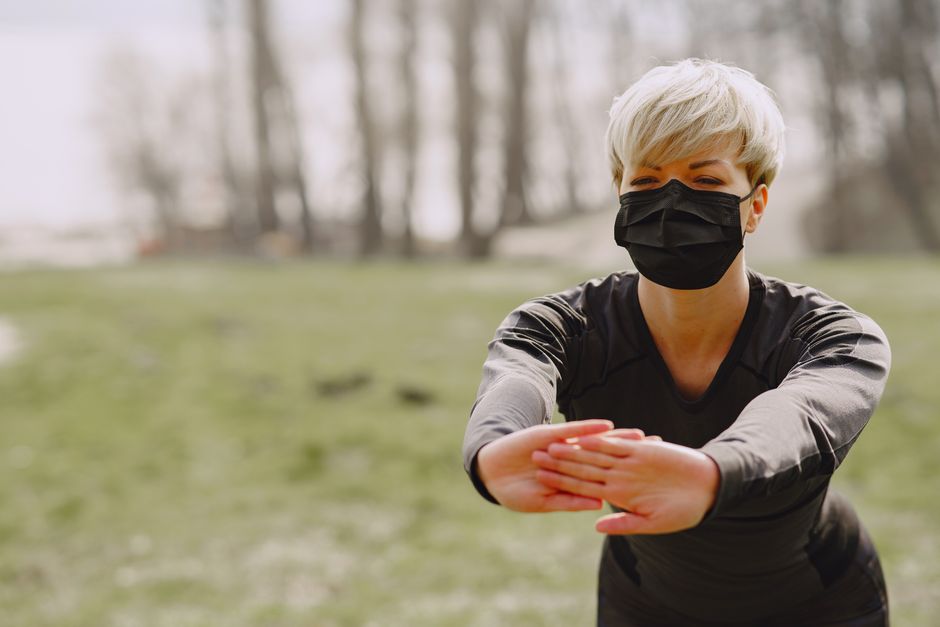
A successful spring fitness reset feels almost boring. Your route becomes easier, your recovery becomes faster, and you stop negotiating with yourself before every session. Track three simple measures: total weekly minutes, the effort of your longest session, and how your body feels the next morning.
Use progress markers that do not reward reckless effort
Increase only one main variable at a time. Add five minutes to a walk, or add one short jogging interval, or take a mild hill. Keep the other parts steady for at least three sessions. If your resting energy, sleep, or mood drops for several days, hold your workload steady instead of chasing a weekly target. The right number is the most training you can repeat.
Set the next useful target
After four consistent weeks, choose a practical goal: walk 45 minutes comfortably, complete a 5K walk-run, cycle for one hour at an easy pace, or perform two strength sessions each week. Keep one easy session in the schedule even after your fitness improves. Easy work protects consistency, and consistency is what turns a spring reset into an outdoor routine.
Gear can support that routine, but it cannot replace a sensible progression. Start with the amount of work your body can recover from, then let the warmer season earn the harder sessions.
Always consult a qualified healthcare professional before making health-related decisions.


