
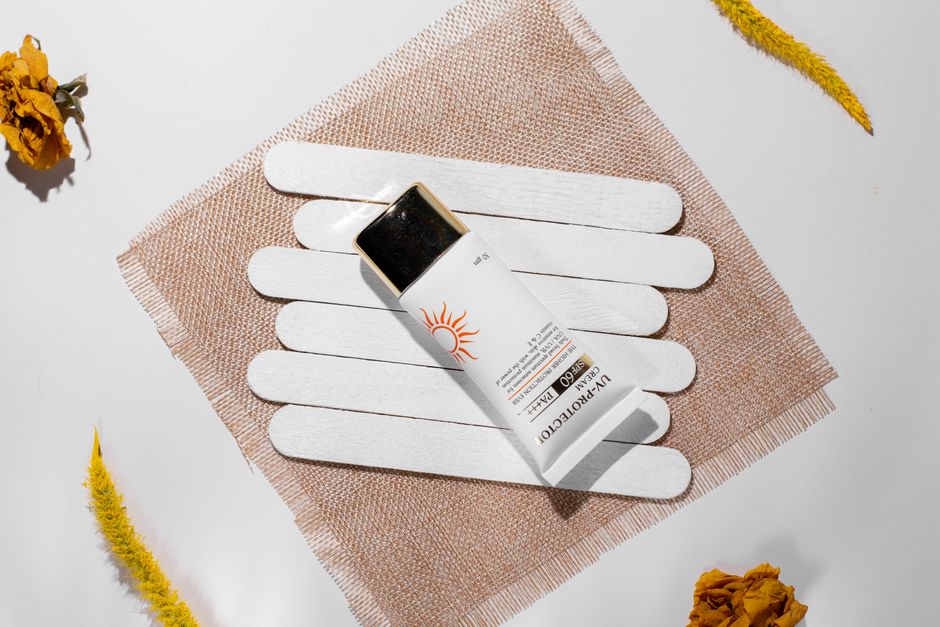
The sun can damage unprotected skin in as little as 15 minutes, yet most people treat sunscreen like a one-time morning expense. That is the mistake. A thin layer before breakfast will not cover a long walk, a sweaty commute, or an afternoon beside a bright window.
Picture a Saturday hike: the sky is clear, the temperature feels mild, and your face looks fine when you leave. Four hours later, your nose is pink, your shoulders sting, and the sunscreen bottle is still in your bathroom. Good sun safety is less about finding one magic product and more about controlling exposure from several angles.
Why brighter days burn skin faster than expected
Sunlight contains ultraviolet radiation, mainly UVA and UVB, that reaches exposed skin even when the air feels cool. UVB causes much of the redness associated with sunburn. UVA reaches deeper layers and contributes to uneven pigmentation, collagen breakdown, and long-term skin aging. Both types matter outdoors.
Temperature does not measure ultraviolet exposure
A cool spring morning can still deliver strong UV. Clouds block some visible light but may allow a large share of ultraviolet radiation through. Snow, sand, water, and pale concrete also reflect light back toward the face and neck. That is why a windy day at the beach can leave someone burned before they feel overheated.
The UV Index gives a more useful risk signal than temperature. At a UV Index of 3 or higher, exposed skin needs protection, especially around midday. Risk rises faster near the equator, at high altitude, and during long outdoor sessions. Children, people with fair skin, and anyone taking a photosensitizing medicine need extra care.
Skin damage adds up in small daily doses
Most exposure does not happen during a dramatic beach holiday. It happens while walking to the store, gardening, driving with one arm near the window, or sitting outside for lunch. Those short periods can add up across months and years. The practical goal is not to hide indoors; it is to reduce repeated unprotected exposure.
A hat, sunglasses, shade, and tightly woven clothing reduce the amount of skin that sunscreen has to cover. Sunscreen then fills the gaps on areas such as the face, ears, hands, and neck. Layered protection works better than relying on SPF alone.
How to build a daily sun-safety routine

The best routine is simple enough to repeat on rushed mornings. Use the forecast and the planned activity to decide how much protection you need, then apply before leaving rather than after your skin starts to feel warm.
- Check the UV Index. Use a local weather app or public health service. Treat a reading of 3 or higher as a prompt for sunscreen, shade, clothing, or all three.
- Cover exposed skin. Apply a broad-spectrum sunscreen labeled SPF 30 or higher to the face, ears, neck, arms, and any exposed leg or chest area. Adults need about one shot-glass amount for the whole body, or roughly two milligrams per square centimeter of skin.
- Protect the high-miss areas. Rub sunscreen into the tops of the ears, hairline, eyelids when the label allows it, lips with an SPF balm, backs of hands, and the part in your hair. These areas are often skipped.
- Use shade and clothing at peak hours. A wide-brim hat, UV-rated sunglasses, and a tightly woven shirt reduce exposure without asking you to remember another application. Seek shade when the sun sits highest, often between late morning and mid-afternoon.
- Reapply on a clock. Reapply at least every two hours outdoors and sooner after swimming, towel drying, or heavy sweating. Water resistance does not mean waterproof protection. It means the product retains its stated protection during a limited water-exposure test.
Do not mix sunscreen into moisturizer or foundation and assume the final mixture keeps the labeled SPF. Apply a dedicated sunscreen as the last skincare step before makeup. If your eyes sting, switch formulas or keep sunscreen farther from the lash line; persistent irritation deserves medical advice.
The biggest sun-protection mistake is trusting one application
Verdict: The strongest sun-safety upgrade is not a higher number on the bottle; it is applying enough product and replacing it after real-world wear.
A person can apply SPF 50 once at 8 a.m. and still burn during a noon walk because sweat, rubbing, water, and clothing remove parts of the film. SPF describes protection against UVB under test conditions, with a measured amount applied evenly. It does not promise that your skin receives the same protection after six hours of movement.
Another mistake is using a low amount to make a product last longer. The result may feel comfortable and look invisible, but the skin receives less protection than the label suggests. A thin smear on the nose and cheeks is not a full facial application. Two finger-length strips of sunscreen are a useful face-and-neck estimate for many adults, although body coverage requires much more.
People also forget that sunscreen cannot repair a damaged barrier, treat every dark spot, or cancel intentional tanning. If a product pills under makeup, leaves a white cast, or causes eye watering, the answer is not to abandon protection. Change the texture, use a hat, or choose a mineral formula for sensitive areas. Comfort matters because an unused sunscreen has zero protective value.
Which sunscreen formulas are worth the money?
Price matters, but the cheapest bottle is not automatically the best value if it feels unpleasant and sits unused. The table below compares recognizable options using typical US listed prices and package sizes; prices vary by retailer and promotions. None has an APR, and sunscreen does not involve finance charges. The relevant fee is the cost per ounce, not a promised marketing claim.
| Product | SPF and format | Typical size | Typical price | Best use |
|---|---|---|---|---|
| Neutrogena Ultra Sheer Dry-Touch | SPF 55, chemical, water resistant up to 80 minutes | 3 fl oz | About $13 | Budget body coverage |
| La Roche-Posay Anthelios Melt-in Milk | SPF 60, broad spectrum, water resistant up to 80 minutes | 5 fl oz | About $29 | Long outdoor sessions |
| Supergoop! Unseen Sunscreen | SPF 40, clear gel texture | 1.7 fl oz | About $38 | Face and makeup wear |
| CeraVe Hydrating Mineral Sunscreen Face | SPF 50, zinc oxide and titanium dioxide | 2.5 fl oz | About $16 | Dry or reactive facial skin |
| Beauty of Joseon Relief Sun | SPF 50+, lightweight cream | 50 ml | About $18 | Daily face use away from water |
For a tight budget, Neutrogena Ultra Sheer Dry-Touch SPF 55 is the clear winner because its larger body size keeps the cost near $4.33 per ounce. For hiking, gardening, or boating, choose La Roche-Posay Anthelios Melt-in Milk SPF 60 because its 5-ounce bottle and 80-minute water-resistance label fit longer outdoor sessions. For a face product under makeup, Supergoop! Unseen Sunscreen has the nicest texture, but its roughly $22 per ounce price is a steep convenience fee.
Bottom Line: Buy CeraVe Hydrating Mineral Sunscreen Face SPF 50 for sensitive or dry facial skin, Neutrogena for affordable body coverage, and La Roche-Posay for extended outdoor exposure. Beauty of Joseon Relief Sun is a good daily face pick when you value a light finish, but it is not the right choice for swimming because its everyday formula is not positioned as a water-resistant sports sunscreen.
Sun-safety questions that change the right choice
Do I need sunscreen on cloudy days?
Yes, if you will spend meaningful time outside and the UV Index reaches 3 or higher. Clouds can make the day feel safer than it is. Use sunscreen on exposed skin, then add a hat or shade for long periods outdoors. People who burn easily should take the same precautions on bright overcast days as on clear days.
When should I not buy a more expensive sunscreen?
Do not pay $38 for Supergoop! Unseen Sunscreen if you need generous body coverage for a week of hiking. The small 1.7-ounce tube can disappear quickly, and its texture advantage matters less on arms and legs. Buy the large La Roche-Posay bottle or the lower-cost Neutrogena option instead. Choose CeraVe mineral sunscreen instead of a fragranced formula if fragrance has caused stinging or redness before.
What should I do if sunscreen makes me break out?
Start by changing texture and application rather than lowering protection. Use a non-comedogenic face formula, remove it fully at night, and avoid applying heavy body products to facial skin. A hat and sunglasses can reduce the amount needed around the eyes, but they cannot replace sunscreen on the rest of the face. Stop using any formula that causes swelling, hives, or severe burning and seek medical advice.
There is no credit score attached to this decision, but there is a real cost to buying products you will not use. This is not financial advice, and it is not a diagnosis; it is practical health information. For the Saturday hike from the opening scenario, the sensible resolution is a broad-spectrum SPF 30 or higher applied before leaving, a hat, sunglasses, shade during midday, and a reapplication after sweat or towel drying. That combination protects more reliably than a forgotten bottle with the highest number on the label.
Always consult a qualified healthcare professional before making health-related decisions.