The best meal prep for beginners is small, repeatable, and finished in 90 minutes. Cook three lunches, two dinners, one breakfast base, and enough chopped vegetables for quick snacks. Do not spend Sunday making 21 identical containers. That plan looks efficient on paper and usually ends with wasted food by Wednesday.
The useful numbers are simple: four to six ounces of protein per meal, one to two cups of vegetables, one-half to one cup of cooked starch, and no more than three refrigerated days for most cooked meals. This is not financial advice. Treat the cost figures below as planning examples, because grocery prices, serving sizes, and local food-safety rules vary.
How much food should a beginner prep on Sunday?
Start with five main meals, not a full week of food. A beginner needs a routine that survives a late meeting, a restaurant invitation, and one night when cooking feels like a bad idea. The core problem meal prep solves is decision fatigue: the food is already chosen, portioned, and close to ready when hunger arrives.
Set the volume before choosing recipes
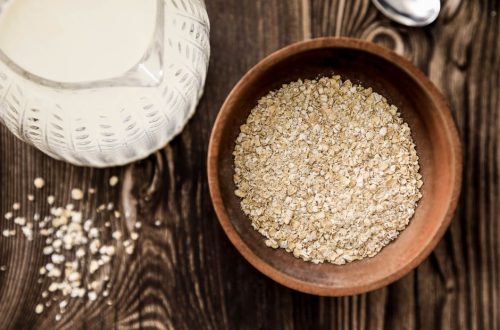
Count the meals you will actually eat at home. If you work in an office three days and eat dinner at home twice, prepare five portions. Add one flexible breakfast base, such as six boiled eggs, overnight oats for three mornings, or a batch of plain Greek yogurt with fruit added later. Keep one meal unassigned. That spare portion protects the plan when a recipe fails or a schedule changes.
A sensible first target is five portions, 90 minutes of kitchen time, and a grocery budget you can write down before shopping. For example, a $35 basket divided across five main meals equals $7 per serving before pantry staples. That number is more useful than vague claims about saving money.
Build every container from four parts
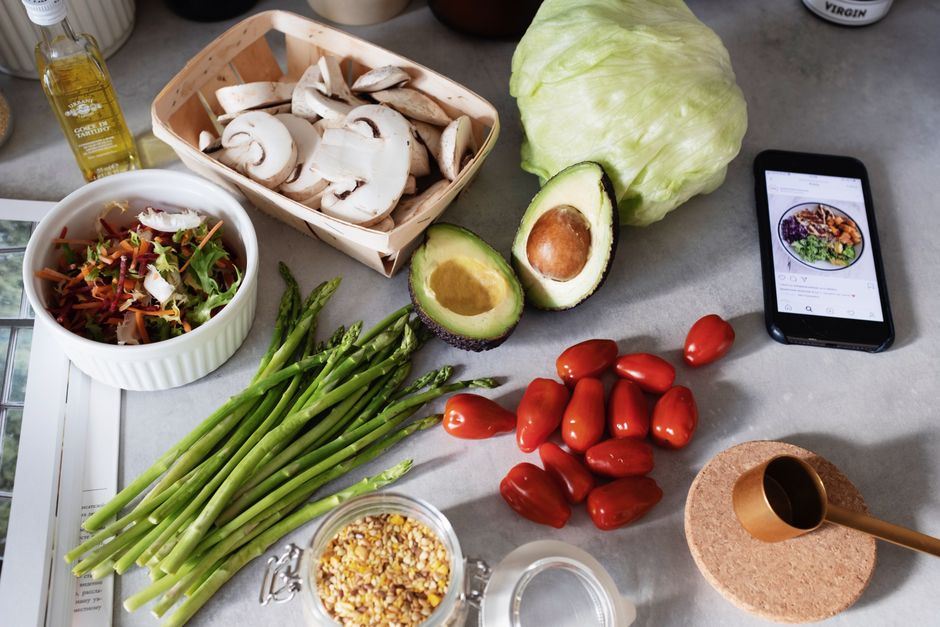
Use a simple plate formula: four to six ounces of cooked chicken, tofu, beans, fish, or eggs; one to two cups of vegetables; one-half to one cup of cooked rice, potatoes, pasta, or another starch; and a sauce packed separately when possible. This gives you a meal with enough volume without forcing a perfect nutrition target.
Why smaller batches beat seven identical meals
Seven identical lunches create two predictable failure modes: boredom and spoilage. Cook one main protein, one starch, and two vegetables, then change the flavor with salsa, lemon dressing, curry sauce, or yogurt sauce. Refrigerate three days of food and freeze the rest when the recipe holds up well. The clear beginner verdict is five portions across two flavor profiles, not a refrigerator full of one recipe.
What is the simplest Sunday meal-prep schedule?
The winning schedule starts with the longest task and keeps your hands busy while food cooks. Use a timer. If the plan regularly runs past 90 minutes, reduce the number of recipes instead of adding more kitchen equipment.
| Time | Task | Specific target |
|---|---|---|
| 0:00–0:10 | Inventory and wash produce | Check five planned meals; remove duplicate ingredients |
| 0:10–0:25 | Start oven, rice, or potatoes | Set oven to 425°F; begin one starch and one sheet-pan protein |
| 0:25–0:45 | Chop vegetables and make sauce | Prepare four to six cups of vegetables; label one sauce |
| 0:45–1:05 | Cook the second component | Use a skillet, pressure cooker, or pot for beans, tofu, or chicken |
| 1:05–1:20 | Cool and portion | Divide five meals; keep sauces and crunchy toppings separate |
| 1:20–1:30 | Label and clean | Write the date on every container; refrigerate or freeze promptly |
Use the 90-minute decision rule
At minute 45, check the kitchen. If two major components are still raw, drop the least important recipe. A beginner meal-prep plan should not require three pans, a blender, and a complicated sauce. Sheet-pan chicken with roasted vegetables, cooked rice, and a no-cook dressing is a stronger first attempt than four separate recipes.
Food safety sets the hard limit. Divide hot food into shallow containers so it cools faster, then refrigerate it promptly. Do not leave cooked food sitting on the counter while you finish every other task. Use a refrigerator thermometer set at 40°F or below, and reheat leftovers until steaming hot throughout. If food smells unusual, has a slimy texture, or sat out for several hours, discard it. The grocery cost is annoying; a foodborne illness is a much worse fee.
What meal-prep mistakes make Sunday miserable?
The problem is rarely a lack of motivation. It is usually an overbuilt plan with too many decisions. Avoid these six mistakes.
- Cooking seven days of delicate food. Leafy greens, cut avocado, and crisp cucumbers lose quality quickly. Prep three days of those foods and keep the rest whole until needed.
- Making every meal the same. Use one cooked base in two formats. Chicken, rice, and vegetables can become a bowl with salsa or a wrap with yogurt sauce. Two sauces create variety without doubling the work.
- Skipping the cooling step. Sealing very hot food in deep containers traps heat. Portion food into shallow containers, leave lids slightly ajar while steam escapes, and refrigerate promptly.
- Buying groceries without a portion count. A large bag of spinach is not a meal plan. Write “five lunches, six eggs, four cups vegetables, two cups cooked rice” before shopping.
- Ignoring the emergency meal. Keep one shelf-stable or freezer option such as canned beans, whole-grain tortillas, frozen vegetables, or soup. This protects the routine when Sunday disappears.
- Treating prep as a test of discipline. If the routine takes two and a half hours, it is too large for a beginner. Cut one recipe, one sauce, or one chopping task. The plan must fit your real week.
The strongest correction is to reduce volume before changing recipes. A smaller plan that gets completed beats an ambitious plan that leaves raw ingredients and dirty pans behind.
How do you know if your Sunday routine is working?
What should be ready by Monday?
By Monday morning, you should have a clear breakfast, lunch, and dinner option without reheating every container. If you still need to cook three separate components, the plan did not remove enough work. A successful routine leaves one fresh task, such as adding fruit or dressing a salad, not a second cooking session.
What should you track for two weeks?
Track four numbers: portions prepared, portions eaten, food discarded, and total kitchen minutes. Add a fifth number if money matters: grocery cost divided by portions actually eaten. If you prepared five meals for $35 but discarded two, the real cost was $11.67 per eaten meal, not $7. That is the kind of skeptical math that improves the routine.
When should you change the plan?
Change one variable at a time. If food spoils, prep fewer portions or freeze two. If you get bored, keep the base ingredients and change the sauce. If portions leave you hungry, add vegetables, beans, yogurt, fruit, or another measured component instead of guessing. If cooking takes too long, remove a recipe before buying a new appliance.
Bottom line: For a beginner, five portions, two flavor profiles, a 90-minute cap, and containers around three cups create the most reliable Sunday routine. The table below is the short version.
| Goal | Best starting choice | Reason |
|---|---|---|
| Finish quickly | One sheet-pan meal plus one starch | Fewer pans and overlapping cooking time |
| Keep food fresh | Prep three refrigerated days and freeze extras | Less spoilage and better texture |
| Spend less | Track cost per portion actually eaten | Waste changes the real price |
| Stay consistent | Five meals with two sauces | Enough structure without menu fatigue |
This is not financial advice, medical advice, or a promise that one routine fits every household. People with food allergies, diabetes, kidney disease, pregnancy-related nutrition needs, or other medical concerns should follow guidance from a qualified clinician.
Medical Disclaimer: This content is for informational purposes only and does not constitute medical advice. Always consult a qualified healthcare professional before making health-related decisions.