Oats, quinoa and barley can all support a high-fiber diet, but they behave very differently in the pot and on the plate. The best choice depends less on health claims and more on the meal you want, the time you have, and the texture you enjoy eating.
Oats, Quinoa or Barley: Which One Fits?
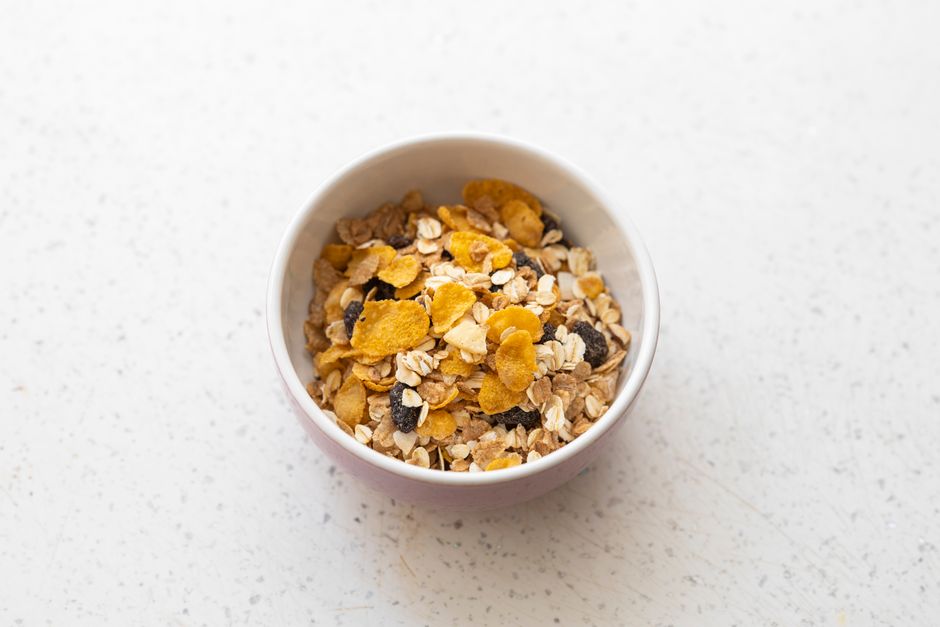
These grains are not interchangeable in practice. Oats turn creamy, quinoa stays separate and barley gives a firm chew. Use the table to match the grain to a real cooking situation rather than choosing based on a single nutrient number.
| Grain | Typical dry serving | Liquid ratio | Cooking time | Best use |
|---|---|---|---|---|
| Rolled oats | 40 g | 1 part oats to 2 parts water or milk | 5 to 10 minutes | Breakfast bowls, baked oats, overnight oats |
| Quinoa | 45 g | 1 part quinoa to 2 parts water | 15 to 20 minutes | Salads, grain bowls, stuffed vegetables |
| Pearled barley | 45 g | 1 part barley to 3 parts water | 25 to 40 minutes | Soups, stews, warm grain salads |
Choose oats for speed
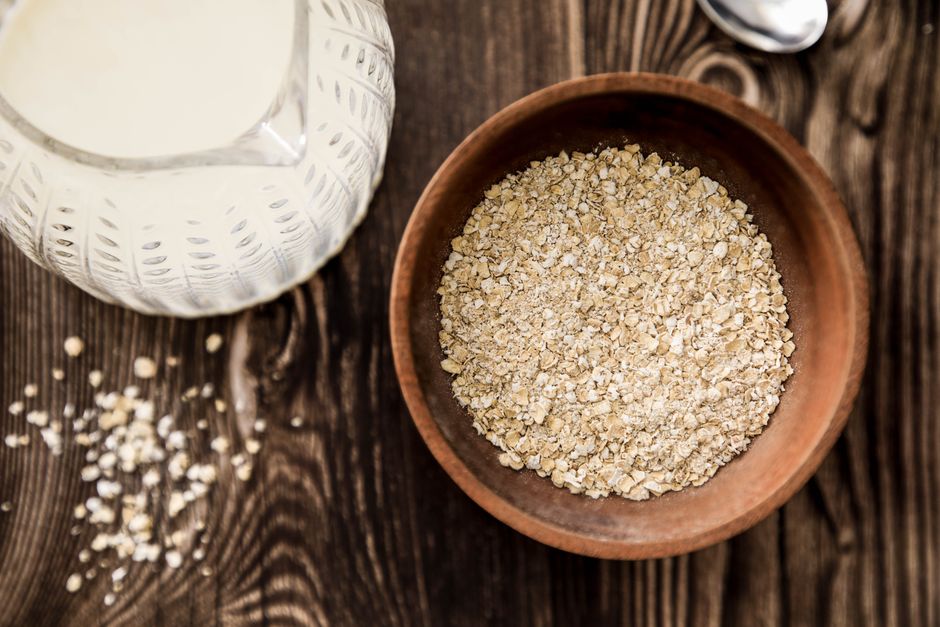
Rolled oats win when breakfast must happen quickly. They soften in one saucepan, need no special equipment and accept both sweet and savory flavors. Steel-cut oats take longer, usually 20 to 30 minutes, but give a firmer bite. Instant oats cook fastest but often come in sweetened packets, so plain rolled oats offer the best balance of cost, texture and control.
Choose quinoa or barley for savory meals
Quinoa is the better choice for a light, quick grain bowl because it cooks in about 20 minutes and stays fluffy after cooling. Barley is the better choice for soup or a meal that needs chew. My verdict is simple: buy quinoa for salads and barley for hearty dishes; buying only one of them leaves useful cooking jobs uncovered.
How to Cook Oats, Quinoa and Barley
Good results come from controlling water, heat and resting time. Follow the ratios below, then adjust only after you have cooked the grain once and seen how much liquid your pan loses.
Use these reliable cooking steps
- Measure the dry grain before rinsing or cooking. A kitchen scale gives more consistent portions than a large scoop.
- For rolled oats, bring two parts liquid to a gentle simmer, stir in one part oats, and cook for 5 to 10 minutes.
- For quinoa, rinse the grains under cold water for 30 seconds to remove surface bitterness, then combine one part quinoa with two parts water.
- Simmer quinoa with the lid on for 15 minutes, turn off the heat, and let it stand for 5 minutes before fluffing.
- For pearled barley, use three parts water for one part barley and simmer uncovered until the grains are tender, usually 25 to 40 minutes.
- Drain barley like pasta if the pot still holds water. This gives you better control than waiting for every drop to absorb.
- Salt the cooking liquid. Unsalted grains taste dull even when the rest of the meal has seasoning.
- Cool cooked grains in a shallow container and refrigerate them within two hours.
The resting step is not optional
Quinoa often looks wet when the heat goes off, but the five-minute rest lets the remaining moisture settle into the grain. Oats thicken as they cool, so remove them from the heat while they still look slightly loose. Barley stays pleasantly chewy when you stop cooking as soon as the center loses its hard crunch.
The Best Grain for Breakfast, Meal Prep and Digestion
Rolled oats are the best all-purpose choice for most households because they cook quickly, cost little and work across several meals. That verdict does not make them the best grain for every stomach or every menu. Texture, tolerance and storage can change the answer.
Best for breakfast: rolled oats
Choose rolled oats when you want a warm breakfast in under ten minutes. Add cinnamon, chopped apple and walnuts for a sweet bowl, or use an egg, spinach and grated cheese for a savory version. Steel-cut oats make sense only when you prefer a firm, coarse texture and can give breakfast 25 minutes. Instant oats are useful for travel, but plain versions are a better buy than flavored packets because you control the sugar and portion size.
Best for meal prep: quinoa or barley
Quinoa wins for cold lunches because it cools quickly and mixes well with herbs, beans and chopped vegetables. Barley wins for batch cooking when you want a grain that remains substantial after reheating. People with sensitive digestion may find large portions of any high-fiber grain uncomfortable, especially after a low-fiber diet. Start with half a cup cooked, drink enough water and increase the serving slowly. For a light lunch, pick quinoa; for a winter meal, pick barley.
Which Packaged Whole Grains Are Worth the Price?
Plain grains rarely need premium packaging, but brand differences can still matter for freshness, ingredient simplicity and pack size. These are useful reference products, not mandatory purchases. Prices vary by store and location, so treat the figures as practical 2026 planning prices rather than fixed national prices.
| Product | Pack and typical price | Best reason to buy | My verdict |
|---|---|---|---|
| Quaker Old Fashioned Oats | 42 oz, about $5.49 | Low cost and easy availability | Best value for daily oatmeal |
| Bob’s Red Mill Organic Old Fashioned Rolled Oats | 32 oz, about $6.99 | Organic oats and a sturdy texture | Best upgrade when organic sourcing matters |
| Ancient Harvest Organic Quinoa | 12 oz, about $6.99 | Convenient small pack for occasional use | Best for first-time quinoa buyers |
| Bob’s Red Mill Pearl Barley | 24 oz, about $5.99 | Reliable grain for soups and stews | Best barley for a standard pantry |
Buy plain grains instead of flavored blends
Plain products give you more food for your money and make allergy checking easier. A flavored oat packet can contain added sugar, salt and dried fruit in a small serving. The Quaker bag is the strongest budget choice, while Bob’s Red Mill Organic Old Fashioned Rolled Oats is a sensible pick for shoppers who want an organic label and do not mind paying more per ounce.
Do not pay extra for a health halo
Organic quinoa is not automatically more nutritious than conventional quinoa, and a resealable pouch does not make barley cook faster. Choose the Ancient Harvest product when you want a smaller quinoa pack that will not sit in the cupboard for months. Choose Bob’s Red Mill Pearl Barley for soups. Skip premium blends unless the added grains solve a specific cooking problem.
What Goes Wrong When Cooking Whole Grains?
The most common failures are small: wrong liquid ratios, poor rinsing and cooking far more than the household can eat. Each mistake has a direct fix, and none requires special equipment.
Why does quinoa taste bitter?
Quinoa can taste bitter when its natural outer coating remains on the grain. Rinse it under cold water before cooking, even when the package says pre-rinsed. Use a fine mesh strainer so the grains do not escape. Toasting rinsed quinoa in a dry saucepan for two minutes adds a nutty flavor, but it does not replace rinsing. If bitterness remains after proper rinsing, change brands rather than covering the taste with extra salt.
Why do oats turn gluey and barley stay hard?
Oats turn gluey when they boil aggressively or get stirred too often. Keep the heat low and stir only when needed. Barley stays hard when the pot loses water before the grain finishes, so add hot water and keep simmering instead of raising the heat. Another common mistake is confusing pearled barley with hulled barley: pearled barley cooks faster because part of the outer layer has been removed. For a weeknight soup, buy pearled barley. For the most intact grain, choose hulled barley and accept a longer cooking time.
A Simple Buying Rule for Your Pantry
Start with two grains, not a crowded shelf
Buy one container of rolled oats and one container of either quinoa or pearled barley. That pair covers breakfast, lunch bowls, soups and quick side dishes without leaving three half-used bags in the cupboard. Pick quinoa if you eat cold lunches or want a grain that cooks in about 20 minutes. Pick barley if you make soups, prefer a chewy texture and want a grain that stands up to reheating. This is the most practical starting point because it matches the grain to meals you are likely to cook.
The final verdict by use case
For the lowest cost and fastest breakfast, Quaker Old Fashioned Oats is the clear winner. For organic rolled oats, Bob’s Red Mill earns the extra cost only when its sourcing and texture matter to you. For cold grain bowls, Ancient Harvest Organic Quinoa is the better fit. For soup and hearty meal prep, Bob’s Red Mill Pearl Barley is the strongest choice. Store grains in sealed containers, label the purchase date, and cook only the amount you can cool and refrigerate safely. A small pantry with grains you actually use beats a large pantry full of ambitious ingredients.
Medical Disclaimer: This content is for informational purposes only and does not constitute medical advice. Always consult a qualified healthcare professional before making health-related decisions.