A balanced plate gives your meal structure without turning lunch into a math problem. Pair a reliable protein source with high-fiber plants and a measured portion of unsaturated fat, then adjust the rest for hunger, activity and taste.
What belongs on a balanced plate?
Start with three jobs, not three food rules. Protein helps build and maintain tissue. Fiber-rich foods add volume and support steady digestion. Unsaturated fats add flavor, help absorb fat-soluble vitamins and make a simple meal more satisfying.
The three-part test
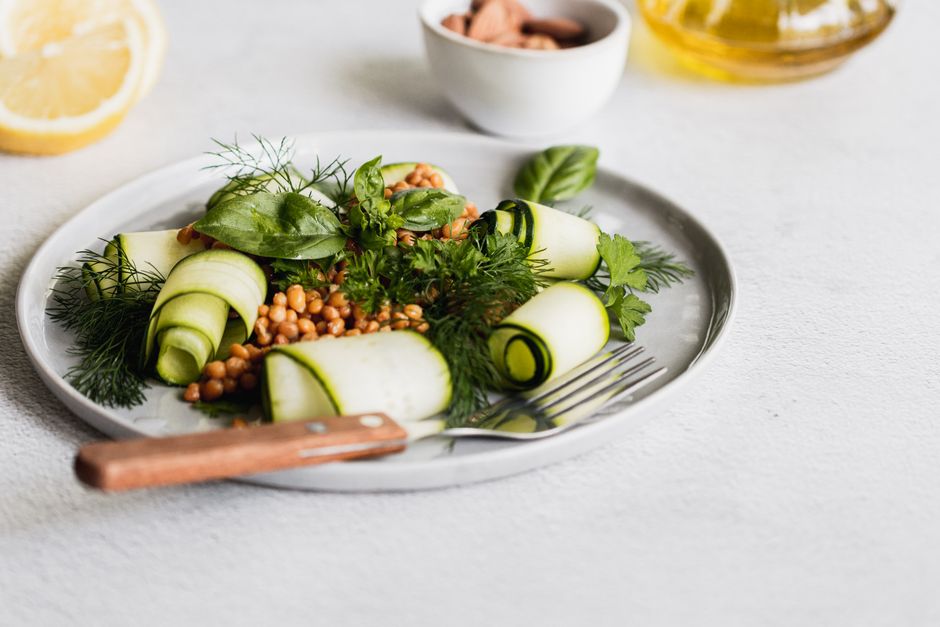
Look at your plate and ask three questions. Where is the protein? Where are the plants that bring fiber? Where is the fat that adds flavor or helps the meal hold you until the next eating occasion? A bowl of white rice with a small amount of sauce may fill space, but it lacks the structure that makes a meal balanced. Add tofu, beans, eggs, fish, yogurt or lean poultry. Add vegetables, fruit, lentils or whole grains. Finish with olive oil, avocado, nuts, seeds or a tahini-based dressing.
Why the plate model works
The plate model solves a basic problem: people need a repeatable way to build meals when they do not want to weigh every ingredient. USDA MyPlate guidance puts half the plate in fruits and vegetables, with the rest divided among grains, protein foods and dairy or fortified soy alternatives. The USDA MyPlate menu guide also recommends making half your grains whole grains. The best version of this model is flexible. Frozen broccoli counts. Canned beans count. A sandwich can work if it contains a clear protein, a whole-grain base and produce. For most people, this three-part structure beats a rigid list of approved foods.
How much protein, fiber and fat should you add?
The winning approach is portion-based, not number-heavy. Use a simple visual guide first, then change the portions when your appetite, training load or medical needs call for it.
A practical plate guide
| Plate part | Starting portion | Useful choices | What it adds |
|---|---|---|---|
| Protein | 1 palm-sized portion | Beans, lentils, tofu, eggs, fish, chicken, plain yogurt | Protein, iron, zinc or calcium, depending on the food |
| Fiber-rich plants | 1 to 2 fists | Broccoli, berries, leafy greens, apples, lentils, oats | Fiber, water, vitamins and meal volume |
| Whole-grain or starchy food | 1 cupped hand | Brown rice, potatoes, oats, corn, whole-grain bread | Carbohydrate for energy and extra fiber when minimally refined |
| Unsaturated fat | 1 thumb-sized portion | Olive oil, avocado, walnuts, chia seeds, peanut butter | Flavor, essential fatty acids and longer-lasting satisfaction |
When to make the portions larger
Add more carbohydrate around long workouts or physically demanding work. Add more protein when a meal leaves you hungry soon after eating, but do not treat protein as the only answer. Add a second serving of vegetables or fruit when the plate feels small. The American Heart Association guidance on dietary fats favors replacing saturated and trans fats with unsaturated fats. That means olive oil, nuts, seeds, fish and avocado earn a regular place, while butter, fatty processed meats and foods made with partially hydrogenated oils should appear less often.
How to build a balanced plate in five steps
Use the same assembly order at home, in a cafeteria or when ordering a bowl. It reduces decision fatigue and keeps one ingredient from taking over the meal.
The assembly order
- Choose the protein first. Pick beans, lentils, tofu, eggs, fish, poultry, lean meat or plain yogurt. Start with a portion about the size of your palm.
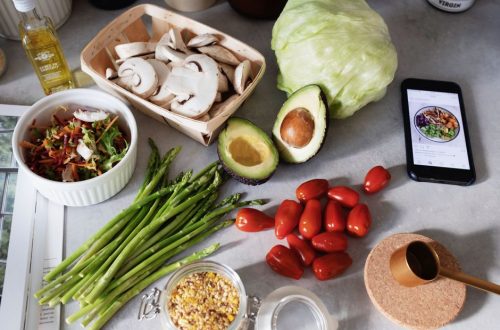
- Fill half the plate with plants. Use two vegetables, or one vegetable and one whole fruit. Fresh, frozen and canned options can all work.
- Add a high-fiber carbohydrate. Choose potatoes with the skin, oats, brown rice, quinoa, corn or whole-grain bread. A cupped hand is a useful starting portion.
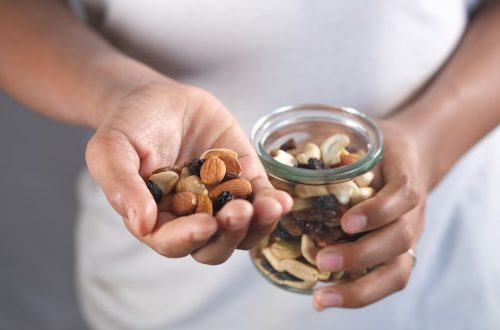
- Add one fat source. Use one tablespoon of olive oil, a small handful of nuts, a quarter to half an avocado or a spoonful of seeds.
- Season before adding more food. Lemon, vinegar, herbs, garlic, chili and yogurt-based sauces can make the plate satisfying without relying on a heavy pour of oil or salty sauce.
- Check the finished plate. If it is mostly beige, add color. If it contains several rich ingredients, reduce the portion of one rather than removing vegetables.
A fast pantry example
A realistic convenience plate might use Goya Low Sodium Black Beans from a 15.5-ounce can, one slice of Ezekiel 4:9 Sprouted Whole Grain Bread, chopped tomatoes and greens, plus one tablespoon of California Olive Ranch 100% California Olive Oil in the dressing. For breakfast, a 5.3-ounce cup of Chobani Non-Fat Plain Greek Yogurt can pair with berries, oats and walnuts. These are examples, not required purchases. Check the label because sodium, added sugar and serving sizes can change between varieties.
What is the right balance for one meal?
How much protein is enough?
For a typical meal, a palm-sized serving of cooked fish, poultry, lean meat or tofu, two eggs with another protein food, or about three-quarters to one cup of beans or lentils gives the plate a clear protein anchor; people who train hard, are recovering from illness, are pregnant, or have kidney disease may need a different target set with a clinician or registered dietitian.
How much fiber should you aim for?
Build toward roughly 25 to 30 grams of fiber across the day by spreading beans, lentils, vegetables, fruit, oats, whole grains, nuts and seeds across meals instead of trying to force a giant serving into one bowl, and increase fiber gradually with enough fluid if your current intake is low.
How much fat is healthy?
Use enough unsaturated fat to make the meal enjoyable, usually one thumb-sized portion or one to two measured teaspoons of oil for a single plate, while remembering that healthy fats still contain calories and that replacing saturated fat with olive oil, nuts, seeds, avocado or fish is a stronger move than simply adding more fat to an already rich meal.
What mistakes make a balanced plate less balanced?
The most common mistake is treating one nutrient as a rescue plan. A meal can contain 40 grams of protein and still lack vegetables, fiber and useful fats. Another mistake is counting a large serving of hummus, cheese, nuts or oil as both the protein and the fat without checking the full plate.
Does a salad always count as a balanced meal?
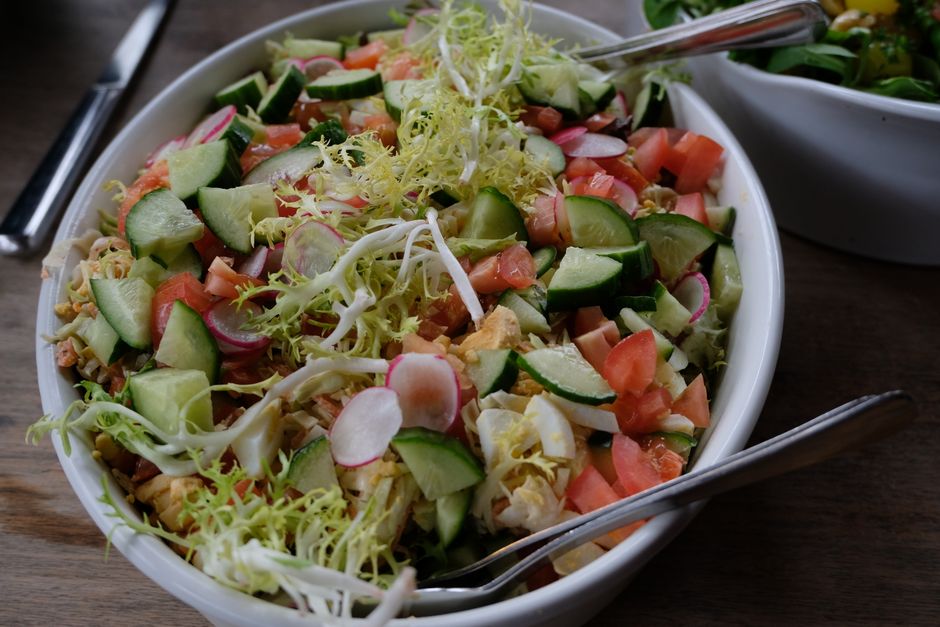
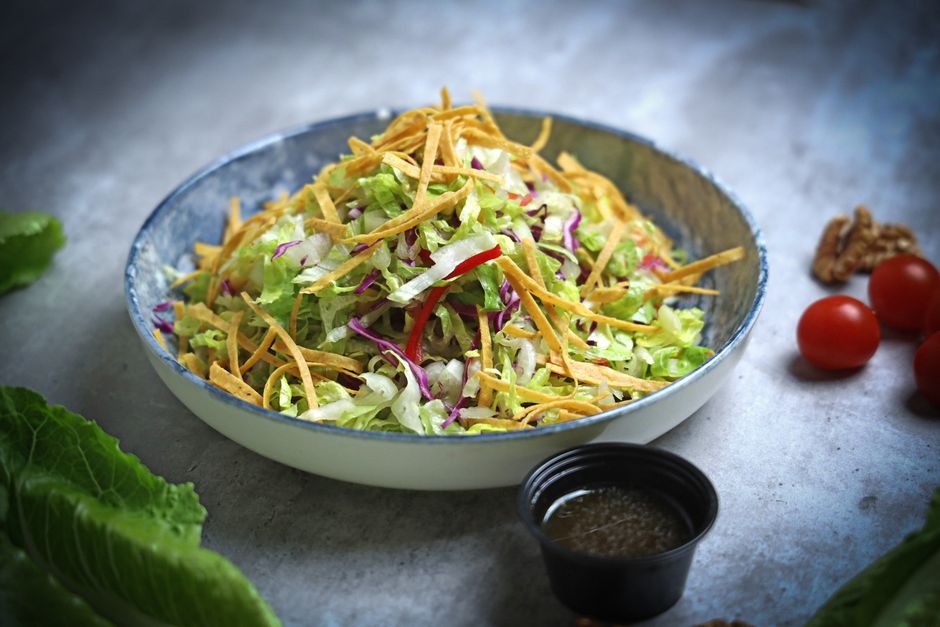
No. A salad made from lettuce, cucumber and dressing may look healthy but can leave you hungry within an hour. Add a real protein source such as beans, lentils, tofu, eggs, fish or chicken, then include a high-fiber carbohydrate such as chickpeas, corn, potatoes or whole-grain bread. Keep the dressing measured. A generous pour can add more energy than the rest of the vegetables combined.
Should you avoid carbohydrates?
No. Carbohydrates supply useful energy, especially when meals include oats, potatoes, fruit, beans or whole grains. The better correction is to replace refined, low-fiber choices with foods that bring fiber and nutrients. A baked potato with salmon and broccoli is a more complete plate than a protein-only meal with no carbohydrate.
What if beans cause digestive trouble?
Start with a small portion, rinse canned beans, choose lentils or tofu, and increase slowly. If bloating, pain or bowel changes persist, speak with a clinician rather than cutting out every high-fiber food. Food tolerance matters, but it should guide the next experiment instead of turning one uncomfortable meal into a permanent restriction.
How should you adjust the plate for real life?
A balanced plate is a decision tool, not a fixed picture. Keep the three anchors visible, then change the emphasis for the meal in front of you. The best choice is the one that meets the situation without losing the basic structure.
For a quick workday lunch
Choose a ready protein, a fruit or vegetable, a whole-grain base and one measured fat. A tuna-and-bean salad with whole-grain crackers can work. So can yogurt with oats, berries and walnuts when cooking is not possible.
For a plant-based dinner
Combine legumes or soy with a grain or potato and several vegetables. Rice and beans become stronger when paired with peppers, greens, salsa and avocado. Tofu with edamame, brown rice and roasted vegetables gives the plate protein, fiber and unsaturated fat without relying on a meat substitute.
For a meal that leaves you hungry
First add volume from vegetables or fruit. Then check whether the meal contains enough protein and a measured fat source. If hunger returns quickly after several balanced meals, review sleep, activity, medication and portion needs with a qualified professional instead of chasing a new diet rule.
| Situation | Best plate adjustment | Clear choice |
|---|---|---|
| Short on time | Use canned beans, plain yogurt, frozen vegetables or pre-cooked grains | Keep the structure; simplify the ingredients |
| Hungry soon after eating | Add protein, produce volume or a measured unsaturated fat | Build a larger complete plate |
| Plant-based meal | Pair beans, lentils or soy with whole grains and vegetables | Use legumes as the anchor |
| High-sodium packaged meal | Compare labels and add unsalted produce | Choose the lower-sodium option |
| Heart-health priority | Replace butter, fatty meat and tropical oils with unsaturated sources | Favor olive oil, nuts, seeds, avocado and fish |
Medical Disclaimer: This content is for informational purposes only and does not constitute medical advice. Always consult a qualified healthcare professional before making health-related decisions.