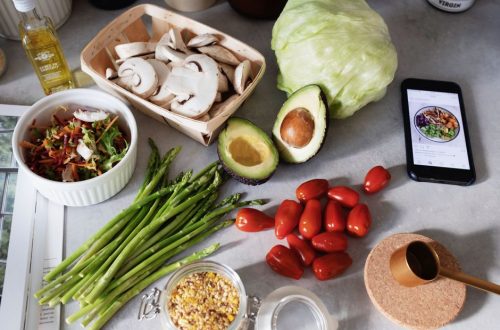
The best snack for steady energy is not the one with the loudest health claim. It is the one that combines a sensible portion of carbohydrate with protein, fiber, or fat, then fits your schedule well enough to eat before you become ravenous. For most people, a piece of fruit with plain Greek yogurt, nuts, or cheese beats a highly sweetened snack bar. Packaged snacks can still work, but the label has to earn its place in your bag.
How to choose a snack that lasts
Use this five-step label check
- Check the serving size. A bag may contain two or three servings. Multiply calories, sugar, sodium, and protein before deciding that it fits your day.
- Find the fiber. Look for at least 2 grams for a small snack and closer to 5 grams when you need it to carry you through a long gap.
- Find the protein. Five grams can help a light snack feel more complete. Ten or more grams makes more sense after exercise or when lunch is far away.
- Separate total sugar from added sugar. Dates, fruit, and milk naturally contribute sugar. Added sugar still matters, but total sugar gives you the full picture.
- Check sodium and allergens. A portable snack can be useful and still carry 300 to 400 milligrams of sodium. Read the allergen statement every time a recipe changes.
Match the snack to the clock
Eat a smaller snack when your next meal is close. Choose more protein, fiber, or fat when the next meal is three or more hours away. Before exercise, a banana or toast may digest more comfortably than a high-fat bar. After exercise, yogurt, milk, eggs, or a protein bar can make sense if a full meal is delayed.
Do not force every snack into the same calorie target. A person working at a desk, a person walking through a long shift, and a person training for a race have different gaps to cover.
Keep convenience honest
Convenience is part of nutrition. A snack that stays in your bag and prevents a vending-machine purchase has real value. Still, convenience does not erase portion size or price. Keep two or three options available: one fresh item, one shelf-stable item, and one protein-rich option that does not need refrigeration.
Verdict: The strongest buying rule is simple: compare protein, fiber, sugar, sodium, serving size, and unit price before you compare marketing language.
Which packaged snacks are worth the money?
Label and price comparison
Packaged snacks can be useful when fresh food is not practical. The table below compares three recognizable options using listed label data and direct-brand pricing available in 2026. Prices can change by retailer, flavor, shipping method, and promotion.
| Product | Calories | Protein | Fiber | Sugar | Listed pack price |
|---|---|---|---|---|---|
| KIND Dark Chocolate Nuts & Sea Salt | 190 | 6 g | 7 g | 5 g | Retailer varies |
| RXBAR Chocolate Sea Salt | 200 | 12 g | 5 g | 14 g | $27.99 for 12, about $2.33 each |
| CHOMPS Original Chicken | 80 | 12 g | 0 g | 0 g | $25.60 for 10, $2.56 each |
KIND is the best everyday choice when fiber and a moderate portion matter more than maximum protein. RXBAR wins for a longer gap because it supplies 12 grams of protein and 5 grams of fiber, but its 14 grams of sugar still count even though the label lists zero added sugar. CHOMPS Original Chicken is the cleanest savory option for portability, yet 390 milligrams of sodium per stick makes it a poor fit for someone trying to keep sodium low.
Price check: Snacks do not carry an APR. The honest APR range is not applicable because these are food purchases, not credit products. The useful comparison is unit cost. CHOMPS lists a $25.60 ten-pack, while RXBAR lists $27.99 for 12. A $7 shipping fee on an order under $40 can erase a small price advantage. This is not financial advice; it is a reminder to compare the full checkout total.
Bottom Line: Buy KIND for fiber, RXBAR for a longer protein gap, and CHOMPS for a savory shelf-stable option. None is automatically better than fruit, yogurt, nuts, or a sandwich assembled at home.
My clear picks for work, travel, and exercise
Best for a desk drawer
My pick is KIND Dark Chocolate Nuts & Sea Salt. It provides 190 calories, 6 grams of protein, 7 grams of fiber, and 5 grams of sugar in a 40-gram bar. That is a more balanced profile than a candy bar, and the nuts make it easier to stop at one bar instead of eating three small cookies. The tradeoff is 15 grams of fat and a common allergen profile that includes almonds, peanuts, and soy.
Keep it beside water and a piece of fresh fruit. The bar alone may not satisfy someone who skipped breakfast, but the pair covers more ground without requiring a refrigerator.
Best for a long gap between meals
My pick is RXBAR Chocolate Sea Salt. One 52-gram bar provides 200 calories, 12 grams of protein, and 5 grams of fiber. Its ingredient list includes dates, egg whites, cashews, almonds, chocolate, cocoa, natural flavors, and sea salt. The package price of $27.99 for 12 works out to about $2.33 per bar before tax or shipping.
RXBAR is not a low-sugar food. It contains 14 grams of total sugar, much of it from dates. That can be perfectly reasonable in a snack, but people managing blood glucose should not treat the absence of added sugar as a free pass.
Best savory option for travel
My pick is CHOMPS Original Chicken. It offers 80 calories, 12 grams of protein, zero grams of sugar, and zero grams of carbohydrate per 1.15-ounce stick. It is shelf-stable and easy to carry, but the 390 milligrams of sodium is the catch. Pair it with an orange, apple, or unsalted nuts instead of another salty packaged food.
Bottom Line: KIND is the best all-purpose desk snack, RXBAR is the strongest bar for a long delay before a meal, and CHOMPS is the best savory option when refrigeration is unavailable.
Do you need a protein bar at all?

When is a bar worth buying?
A bar earns its place when you need food that travels well, survives a warm car or office drawer, and can be eaten in under five minutes. It can also help after exercise when a full meal is delayed. RXBAR is the strongest of the three examples for this use because it combines 12 grams of protein with 5 grams of fiber and a clear ingredient list.
A bar is less useful when you are sitting near a kitchen with eggs, yogurt, fruit, leftovers, or whole-grain toast. Those foods often cost less and offer a wider mix of nutrients. A product does not become a better choice just because it has a wrapper and a protein claim.
When should you skip these products?
Skip nut-based bars if you have a relevant allergy or cannot verify the facility statement. Skip meat sticks when the sodium load does not fit your eating plan. Skip high-fiber bars before hard exercise if they upset your stomach. Also skip a product that makes you feel compelled to eat several servings; taste and portion control are part of the buying decision.
For a lower-cost alternative, combine one banana with two tablespoons of peanut butter, or pair plain Greek yogurt with berries and oats. These options are not as portable, but they usually provide more food for the money and let you control the sweetness.
Bottom Line: Buy a protein bar for logistics, not status. If fresh food is available and practical, fresh food wins.
A simple snack plan for steadier afternoons
Build a three-day rotation
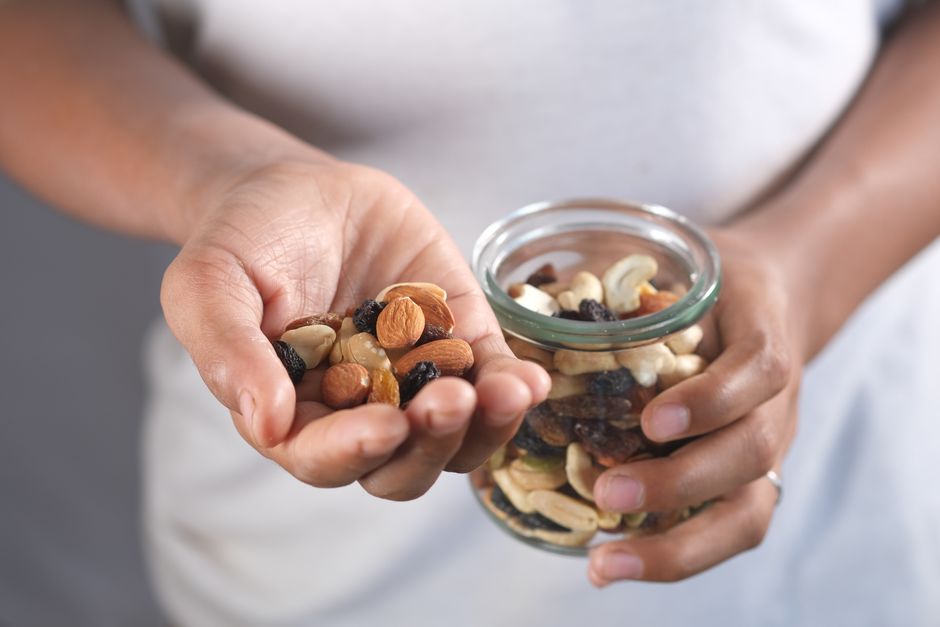
On day one, pack an apple with a small handful of unsalted almonds. On day two, use plain Greek yogurt with berries and a spoonful of oats. On day three, pack whole-grain crackers with cheese or a CHOMPS Original Chicken stick plus fruit. The rotation gives you different textures, protein sources, and price points without requiring a new decision every afternoon.
Use the smaller option when dinner is close. Use the larger pairing when lunch was early or activity was high. If a snack leaves you hungry after 20 minutes, add food with protein or fiber rather than automatically reaching for a second sweet item.
The final verdict
For most health and wellness readers, the best smart snack is a simple pairing of whole-food carbohydrate and a satiety anchor. KIND Dark Chocolate Nuts & Sea Salt is the best packaged everyday option, RXBAR Chocolate Sea Salt is the best packaged choice for a long gap, and CHOMPS Original Chicken is the best savory shelf-stable pick. Fresh fruit, yogurt, nuts, eggs, and leftovers remain the cheaper baseline.
Picture the familiar 3 p.m. meeting: you are tired, lunch was hours ago, and the vending machine offers sugar or salt. With a planned snack in your bag, the decision is no longer urgent. You eat enough to reach dinner, skip the second purchase, and move on with the day. That is the real measure of smart snacking: not a perfect label, but a repeatable choice that keeps a normal afternoon from turning into a hunger emergency.
Medical Disclaimer: This content is for informational purposes only and does not constitute medical advice. Always consult a qualified healthcare professional before making health-related decisions.