Which winter vegetables are actually worth buying, and how do you keep them from turning limp, bitter, or moldy before dinner? The answer is simple: buy dense produce, store each type correctly, and roast by size rather than throwing everything onto one pan.
Winter vegetables are not a consolation prize for summer produce. Carrots, cabbage, Brussels sprouts, beets, parsnips, sweet potatoes, winter squash, and cauliflower can taste sweeter and richer in cold weather. They also hold up well in soups, stews, grain bowls, and sheet-pan dinners.
The catch is that every vegetable has a different water content and cooking time. Treat them all the same and you get burned edges beside hard centers. Use the system below and you get crisp surfaces, tender centers, and a useful supply of vegetables for the week.
How do you choose winter vegetables at the store?
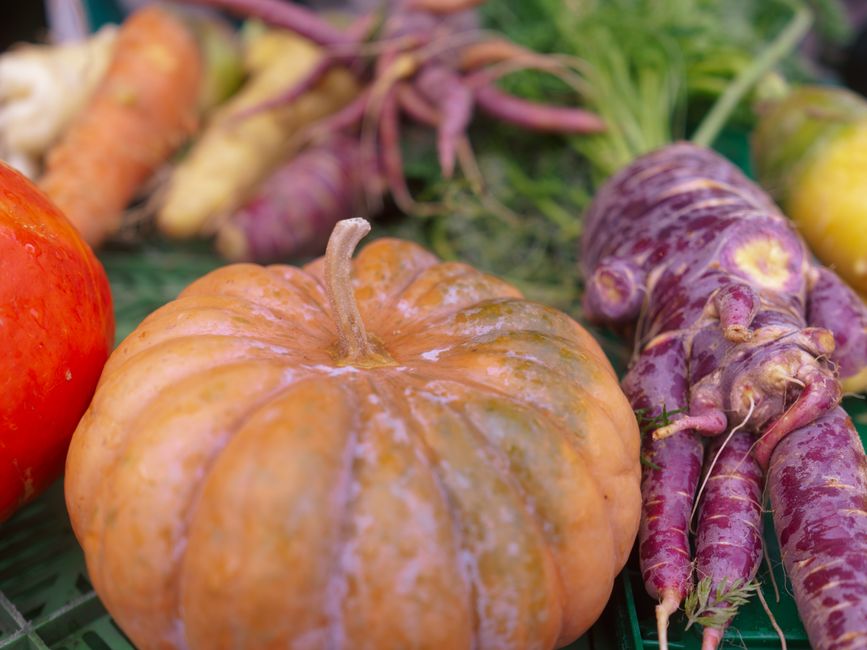
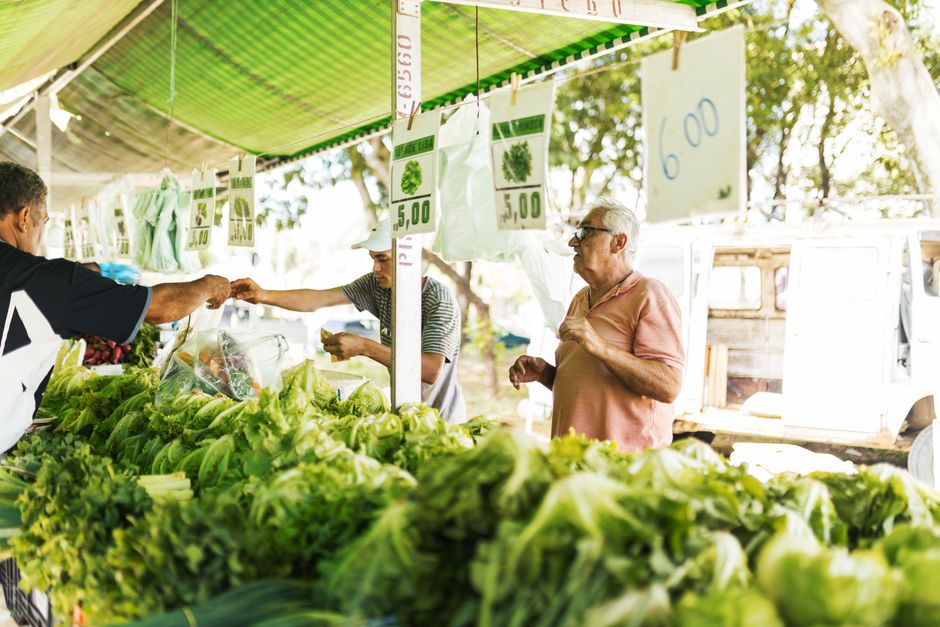
The grocery store test is not complicated. Pick produce that feels heavier than it looks, has intact skin or leaves, and shows no wet spots. Avoid buying a large bag of one vegetable unless you already know how you will use it.
Use this quick buying chart
| Vegetable | Choose | Reject | Typical storage life |
|---|---|---|---|
| Carrots | Firm, smooth, bright color | Rubbery ends, deep cracks, slime | 3 to 4 weeks refrigerated |
| Brussels sprouts | Tight green leaves, heavy for size | Yellow leaves, soft centers | 1 to 2 weeks refrigerated |
| Cauliflower | Compact white head, crisp leaves | Brown wet spots, strong odor | 5 to 7 days refrigerated |
| Cabbage | Dense head, glossy outer leaves | Loose leaves, deep bruising | 3 to 6 weeks refrigerated |
| Beets | Hard roots, smooth skin | Soft areas, shriveled skin | 2 to 4 weeks refrigerated |
| Winter squash | Hard shell, matte skin, heavy body | Sunken soft spots, cracks, mold | 1 to 3 months in a cool pantry |
| Sweet potatoes | Firm, dry, unbroken skin | Bruises, wet patches, sprouts | 2 to 4 weeks in a cool pantry |
Do not confuse cosmetic marks with spoilage
A little dirt, a dry stem, or a shallow scar does not make a vegetable unsafe. A wet, sunken, or foul-smelling spot does. Mold on a dense cabbage or carrot may sometimes be cut away generously, but soft vegetables with spreading mold belong in the compost or trash.
Buy smaller amounts more often
The common mistake is buying for an imaginary week of perfect cooking. A family-sized bag of Brussels sprouts is not a bargain if half of it turns yellow. Buy two or three vegetables for the first few days, then add more when you know what remains.
For most households, a useful starting haul is 2 pounds of carrots, 1 pound of Brussels sprouts, one medium cabbage, one cauliflower, and one winter squash. That is enough variety for several meals without forcing every dinner to taste the same.
How do you roast winter vegetables without making them soggy?
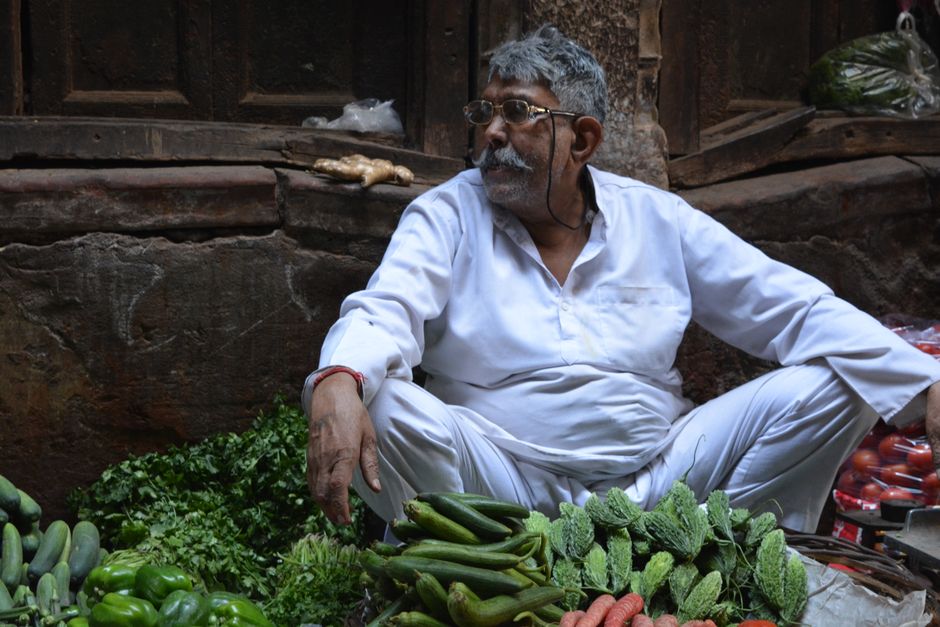
Roasting works because dry heat browns the surface while the center softens. Soggy vegetables usually have too much water, too little space, or an oven that is not hot enough.
Follow this six-step roasting method
- Heat the oven to 425 degrees Fahrenheit. Use 400 degrees for vegetables with a high sugar content, such as sweet potatoes, if the edges burn before the centers soften.
- Cut vegetables into pieces close to the same size. Aim for 1-inch cubes for dense roots and 1-inch halves for Brussels sprouts.
- Dry washed vegetables completely. A damp surface creates steam instead of browning.
- Toss with about 1 tablespoon of oil per pound of vegetables. Add salt before roasting. Add delicate herbs after cooking so they do not burn.
- Spread the pieces in one layer with space between them. Two crowded pans are better than one overloaded pan.
- Turn the vegetables once after 15 to 20 minutes. Most pieces finish between 25 and 40 minutes, depending on size.
Match cooking time to density
Parsnips, beets, rutabagas, and large squash cubes need the longest cooking time. Start them first. Add carrots and sweet potatoes after about 10 minutes if the pieces are smaller. Add cauliflower and Brussels sprouts later because their edges brown faster.
Do not pour a wet marinade over vegetables at the start. Vinegar, citrus juice, and honey can all be useful, but they slow browning or scorch on the pan. Roast first, then add an acidic dressing, yogurt sauce, mustard, or chopped herbs.
For extra-crisp edges, preheat the sheet pan for five minutes. The first contact with hot metal helps the cut surface brown. This matters most for cauliflower, potatoes, and squash.
Which winter vegetables roast best together?
Not every winter vegetable belongs on the same pan. The best combinations share similar cooking times and have enough flavor contrast to avoid tasting flat. My favorite combination is carrots, parsnips, and Brussels sprouts, with a sharp dressing added after roasting.
Build a pan by cooking time
Start with dense vegetables: beets, rutabagas, turnips, and large pieces of winter squash. Cut them smaller than you think you need, around 3/4 to 1 inch, because their centers take time to soften. Give them 10 to 15 minutes alone in the oven.
Add medium-density vegetables next. Carrots, parsnips, sweet potatoes, and cauliflower usually need 25 to 35 minutes total at 425 degrees. Keep the pieces similar in size. A thin carrot stick will burn while a thick squash cube remains hard.
Add fast-browning vegetables last. Brussels sprouts, broccoli, sliced cabbage, and onions can finish in 15 to 25 minutes. Halve Brussels sprouts through the stem so the leaves stay attached. Place the cut side against the pan for darker browning.
Use flavor pairings that solve the vegetable’s weakness
Sweet vegetables need acid. Finish carrots, parsnips, and squash with lemon juice, cider vinegar, or a spoonful of plain yogurt. The acid keeps the dish from tasting like dessert.
Bitter or sulfur-rich vegetables need fat and browning. Brussels sprouts and cabbage taste better with olive oil, tahini, toasted nuts, or a small amount of grated hard cheese. The goal is not to hide the vegetable. It is to give the bitter notes some balance.
Beets need a bright, salty finish. Try vinegar, orange zest, goat cheese, or chopped fresh herbs. Cauliflower benefits from strong spices such as cumin, smoked paprika, curry powder, or black pepper.
Three combinations that actually work
- Carrots, parsnips, and Brussels sprouts: roast at 425 degrees for 30 to 35 minutes, then finish with cider vinegar and parsley.
- Cauliflower, sweet potato, and red onion: roast for 25 to 30 minutes, then add lemon juice and toasted pumpkin seeds.
- Beets, cabbage wedges, and winter squash: roast the beets and squash first, add cabbage after 15 minutes, and finish with mustard vinaigrette.
The failure mode to avoid is mixing every vegetable in the drawer onto one pan. You get a few burned pieces, a few raw pieces, and no clear flavor. A good roasting pan has a plan before it enters the oven.
What should you buy for one week of winter meals?
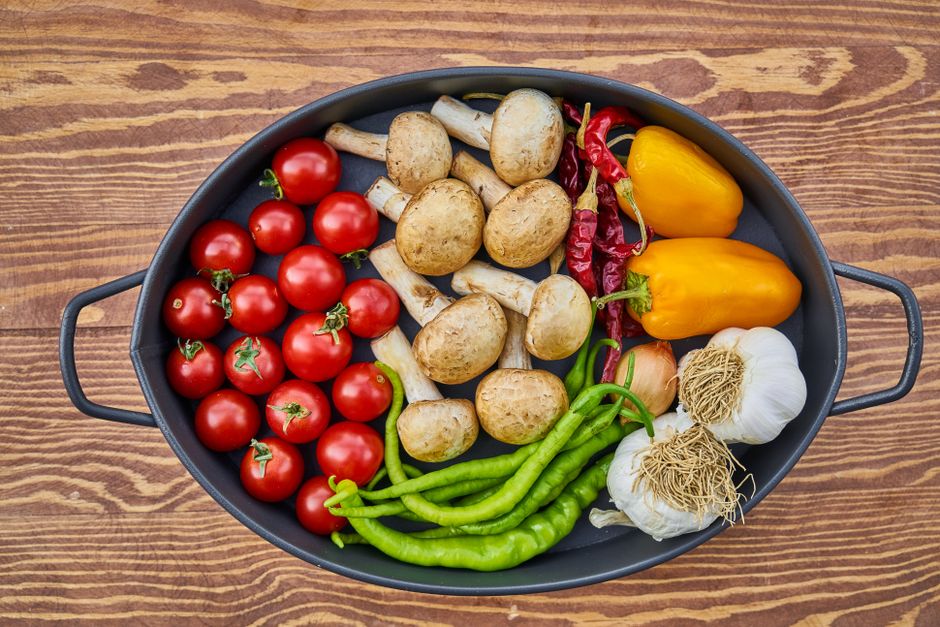
Buy enough variety for four cooking methods, not seven identical trays of roasted vegetables. For a typical week, choose two roots, one brassica, one cabbage-family vegetable, and one squash. That gives you fast sides, soup material, and leftovers for lunch.
A practical one-week produce list
Start with 2 pounds of carrots or parsnips, 1 pound of Brussels sprouts or cauliflower, one cabbage, and one medium winter squash. Add 1 pound of beets only if you are willing to cook them separately; their color stains everything else and their longer cooking time makes them a poor last-minute addition.
Use the roots early in the week while they are firm. Roast the brassicas next. Turn cabbage into slaw, soup, or thick roasted wedges. Save the squash for a meal when you have 40 minutes, or cut and freeze it for soup.
Useful kitchen tools, without buying a gadget collection
You do not need specialized equipment, but three inexpensive tools make the workflow easier. A Nordic Ware Naturals Half Sheet, usually around $25 to $30, gives vegetables enough surface area for a family-sized batch. A Lodge 12-inch Cast Iron Skillet, often around $40 to $50, is excellent for browning cabbage wedges or reheating roasted vegetables. OXO Good Grips 12-inch Tongs, commonly about $16 to $20, make it easier to turn hot vegetables without crushing them.
These tools are optional. A basic rimmed sheet pan, a sharp knife, and a large bowl are enough. Do not buy an air fryer or specialty roaster because a recipe told you the appliance would solve overcrowding. A small cooking surface still produces steamed vegetables, no matter how powerful the machine is.
For health and convenience, the best winter-vegetable routine is clear: buy firm produce in modest amounts, store it dry and in the right temperature zone, then roast vegetables in batches based on density. Start with carrots, Brussels sprouts, cauliflower, cabbage, and squash. That combination gives you the strongest mix of storage life, flavor, and weeknight usefulness.
Medical Disclaimer: This content is for informational purposes only and does not constitute medical advice. Always consult a qualified healthcare professional before making health-related decisions.