

Have you ever stared at a tub of chocolate whey and realized it’s the last thing you want to drink on a hot morning? I’ve been there. For years, I forced myself to chug thick, milky shakes because I thought that was the only way to get my post-workout recovery in. Then I discovered the world of clear proteins and unflavored isolates that actually play nice with fruit juice. It changed how I view supplementation, especially when I started looking at the long-term health benefits of combining high-quality amino acids with the micronutrients found in fresh juices. Mixing protein with juice isn’t just about taste; it’s a strategic way to fight off age-related muscle loss and support your immune system without the heavy dairy bloat.
Can mixing protein powder with juice help prevent chronic diseases?
When we talk about disease prevention, we often focus on what to cut out—sugar, processed fats, excess salt. But what we add to our bodies is just as vital. As I’ve aged, I’ve become increasingly aware of sarcopenia, which is the natural loss of muscle mass and function. It’s a silent precursor to many chronic issues, including type 2 diabetes and osteoporosis. By ensuring a steady intake of high-leucine protein, we can stimulate muscle protein synthesis more effectively. But here is the kicker: pairing that protein with the antioxidants found in juice creates a synergistic effect that plain water or milk just can’t match.
Take tart cherry juice, for example. I started using it as a base for my protein drinks after reading several studies on its ability to reduce systemic inflammation. Chronic inflammation is the root of many evils, from cardiovascular disease to cognitive decline. When you drop a scoop of clean protein isolate into a glass of tart cherry or pomegranate juice, you’re hitting your body with a double-whammy of recovery. The protein repairs the micro-tears in your tissues, while the polyphenols in the juice scavenge the free radicals produced during metabolic stress. It’s a proactive approach to longevity that feels more like a treat than a medical intervention.
Furthermore, the vitamin C found in many juices—like orange, grapefruit, or fortified blends—is a co-factor for collagen synthesis. If you’re using a collagen-based protein powder, mixing it with a vitamin C-rich juice isn’t just a suggestion; it’s a requirement for the supplement to actually do its job in strengthening your tendons and preventing joint degradation. I’ve noticed a significant difference in my knee health since I stopped mixing my collagen with coffee and started using a citrus base instead. It’s these small, science-backed adjustments that build a foundation for a healthier future.
Key Nutrients for Disease Prevention in Juice Blends
- Anthocyanins: Found in dark berries and cherries, these help protect the heart and brain from oxidative damage.
- Vitamin C: Essential for immune function and the repair of all body tissues.
- Leucine: The primary amino acid responsible for “turning on” the muscle-building machinery in your cells.
- Potassium: Abundant in orange and coconut juice, it helps regulate blood pressure and prevent strokes.
Which protein powders actually dissolve in juice without clumping?

I’ve wasted more money than I care to admit on protein powders that turned my morning orange juice into a lumpy, curdled mess. The science of solubility is tricky here. Most traditional whey concentrates contain enough fats and lactose to react poorly with the acidity of fruit juice. If you’ve ever seen your drink separate into a clear liquid and a chalky foam, you know exactly what I mean. To avoid this, you have to be very specific about the type of protein you choose. Through trial and error, I’ve found that clear whey isolates and hydrolyzed collagen are the only real winners in this category.
Clear whey isolate is a relatively new innovation that undergoes a specific filtration process to remove the “milky” texture and flavor. It’s designed to be translucent and refreshing. When I first tried Myprotein Clear Whey Isolate, I was skeptical. It looks like a sports drink powder, not a protein supplement. But it dissolves almost instantly in thin liquids like apple or cranberry juice. The texture is identical to the juice itself—no grit, no slime. This is a massive win for anyone who suffers from digestive issues with standard whey, as the isolate is almost entirely free of lactose, which reduces the risk of gut inflammation.
Another option I frequently use is unflavored collagen peptides. Vital Proteins Collagen Peptides is a staple in my pantry. Because collagen is already broken down into smaller peptides, it doesn’t have the same structural integrity as whey, meaning it won’t curdle when it hits the citric acid in your juice. However, it’s important to remember that collagen is not a complete protein. It lacks tryptophan, so while it’s great for skin, hair, and joint prevention, you shouldn’t rely on it as your only protein source if muscle maintenance is your primary goal. I often mix half a scoop of collagen with half a scoop of clear whey to get the best of both worlds.
Comparison of Protein Types for Juice Mixing
| Protein Type | Solubility in Juice | Best Juice Pairing | Primary Benefit |
|---|---|---|---|
| Clear Whey Isolate | Excellent | Apple, Lemonade | Muscle Synthesis |
| Collagen Peptides | Perfect | Orange, Grapefruit | Joint & Skin Health |
| Egg White Protein | Moderate | Tomato, Vegetable | Dairy-Free Complete Protein |
| Pea Protein (Unflavored) | Poor (Gritty) | Thick Nectars (Mango) | Plant-Based Nutrition |
Top protein powder recommendations for juice drinkers in 2024
If you’re ready to start mixing, you need the right tools. I’ve tested dozens of brands, and these are the four that consistently perform well in juice-based applications. I look for three things: how well they dissolve, how they affect the flavor profile, and the quality of the ingredient list. Since we are focusing on disease prevention, I avoid anything with excessive artificial dyes or fillers that could potentially irritate the digestive lining.
1. Isopure Infusions (Clear Whey Protein Isolate)
This is my top pick for anyone who wants a light, refreshing drink. Unlike the standard Isopure tubs, the Infusions line is specifically formulated to be mixed with water or juice. I usually find it for around $28 to $35 for a 16-serving container at major retailers like Walmart or through various online health stores. The Pineapple Orange Banana flavor is particularly good when mixed with a splash of actual orange juice to brighten the flavor.
Pros: Extremely light texture; zero fat and very low carb; high bioavailability for quick muscle recovery.
Cons: It uses sucralose, which some people find has a lingering aftertaste; it can get very foamy if you shake it too hard—let it sit for a minute after mixing.
2. Myprotein Clear Whey Isolate
Myprotein has the widest range of flavors in the clear whey category. Prices vary wildly based on sales, but you can usually snag a tub for $30 to $40. I’ve found their “Bitter Lemon” flavor to be an incredible addition to a morning green juice. It adds a protein punch without making the juice taste like a dessert. It’s one of the cleanest ways to support your metabolic health without adding extra calories from fats.
Pros: High protein-to-calorie ratio; tested for purity; huge flavor variety.
Cons: The shipping can be slow depending on your location; the powder is very fine and can be messy when scooping.
3. Vital Proteins Unflavored Collagen Peptides
If you want a powder that literally disappears into your juice, this is it. It costs roughly $25 to $45 depending on the size. I use this daily in my pomegranate juice. Because it has zero flavor, it doesn’t fight with the tartness of the juice. It’s an essential part of my long-term strategy for preventing osteoarthritis and maintaining gut integrity, as collagen is rich in glycine, an amino acid that supports the stomach lining.
Pros: Completely tasteless; dissolves in cold or hot liquid; widely available at retail stores.
Cons: Not a complete protein; sourced from bovine hides (not vegan).
4. Garden of Life Raw Organic Protein (Unflavored)
For my plant-based friends, this is the best option, though it requires a bit more effort. It retails for $35 to $50. Most vegan proteins are earthy and thick, but the unflavored version of Garden of Life is relatively neutral. I wouldn’t mix this with a thin apple juice, but it works beautifully in a thicker carrot or beet juice. The added probiotics and enzymes are a great bonus for preventing digestive distress and improving nutrient absorption.
Pros: Certified Organic and Non-GMO; includes digestive enzymes; no artificial sweeteners.
Cons: Can be slightly gritty; requires a blender for the best texture; flavor is “neutral” but still has a slight pea-protein scent.
How to avoid the sugar trap when mixing protein and juice
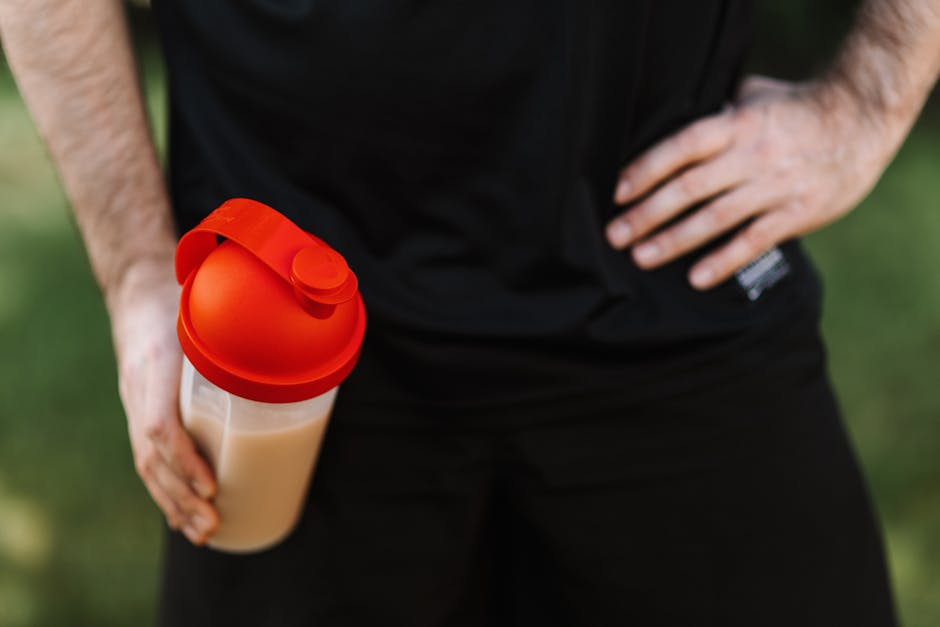

One of the biggest mistakes I made early on was ignoring the sugar content of the juice I was using. If you’re drinking 12 ounces of store-bought grape juice with your protein, you’re hitting your system with about 50 grams of sugar. That’s a recipe for an insulin spike, which is the opposite of what we want for disease prevention. Over time, high insulin levels can lead to insulin resistance, a major risk factor for metabolic syndrome. To make this habit sustainable and healthy, you have to be smart about your liquid base.
I’ve switched to using “low-GI” (Glycemic Index) juices or diluting my juices with sparkling water. A 50/50 mix of pomegranate juice and seltzer water, combined with a scoop of clear whey, gives you all the flavor and antioxidants with half the sugar. Another trick I use is adding a teaspoon of psyllium husk or a fiber supplement to the mix. Fiber slows down the absorption of sugar into the bloodstream, preventing those energy crashes and protecting your long-term cardiovascular health. It’s a simple hack that makes a massive difference in how you feel two hours after your drink.
Also, pay attention to the labels on your protein powder. Some “juice-style” proteins are loaded with maltodextrin or other fillers that act like sugar in your body. Stick to isolates and peptides with minimal ingredients. I always check the “Total Carbohydrates” section of the label before I buy. If a protein powder has more than 2 or 3 grams of carbs per serving, it’s probably not the best choice for mixing with juice, which is already providing its own carbohydrate load. By keeping the protein clean and the juice portions controlled, you create a powerful, health-promoting beverage that supports your body’s defenses against the wear and tear of time.
Always look for “Cold-Pressed” on the juice label. Heat pasteurization can destroy many of the delicate enzymes and vitamins that we are trying to leverage for disease prevention.
And—this is something I learned the hard way—never try to mix your protein into juice that is already boiling hot if you’re using whey. It will denature the protein and turn it into a rubbery clump. If you want a warm drink, mix the powder with a little room-temperature juice first to create a slurry, then slowly add the warmer liquid. But for most of these clear proteins, cold is the way to go. It keeps the flavors crisp and the nutrients intact, ensuring you get every bit of the preventative benefit you’re paying for.