Many cooks treat every green vegetable the same: boil it until soft, drain it, then add butter. That method explains why asparagus turns limp, peas lose their sweetness, and leafy greens taste dull. Spring vegetables need short, separate cooking times because their texture and water content differ. The best plate usually comes from quick heat, enough salt, and a finish that adds acid or fat without hiding the vegetables.
How long should you cook asparagus, peas, and greens?
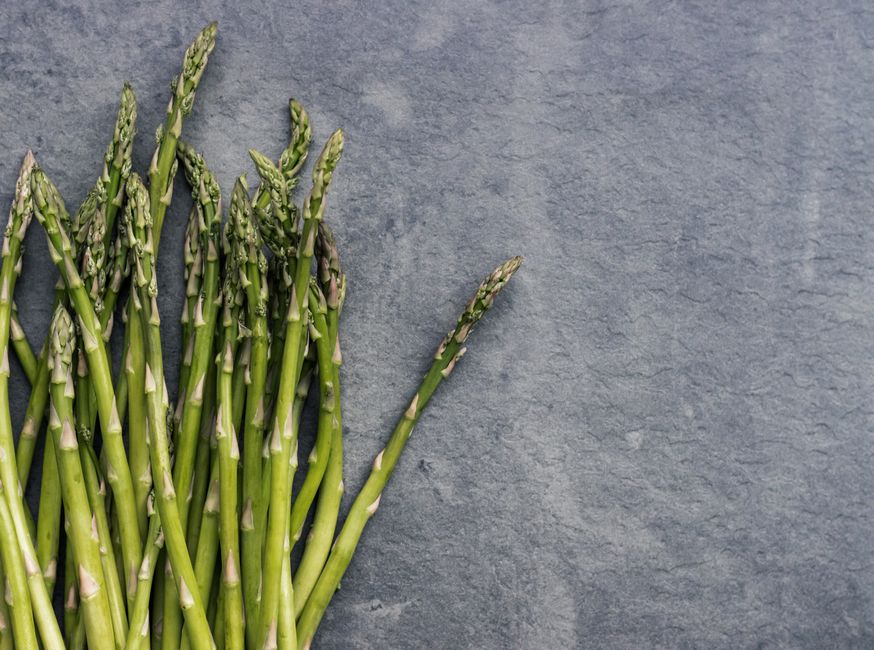
Timing matters more than complicated recipes. The chart below gives a reliable starting point for vegetables that go straight from the market or refrigerator to the pan. Use the lower end of each range for thin, young produce and the higher end for thick stalks or mature leaves.
| Vegetable | Preparation | Method | Time | Best finish |
|---|---|---|---|---|
| Thin asparagus | Trim woody ends | Skillet over medium-high heat | 4–5 minutes | Lemon zest and olive oil |
| Thick asparagus | Peel the lower third if fibrous | Roast at 425°F | 10–14 minutes | Parmesan and black pepper |
| Fresh peas | Shell and rinse | Simmer or sauté | 1–3 minutes | Mint and unsalted butter |
| Frozen peas | Use straight from freezer | Covered skillet | 3–5 minutes | Extra-virgin olive oil |
| Spinach | Wash and drain well | Hot skillet | 30–90 seconds | Garlic and lemon |
| Chard or kale | Separate stems and leaves | Sauté stems first | 5–8 minutes | Chili and vinegar |
Choose the right method for the result you want
Use steaming when you want a soft, mild vegetable with little added fat. Use roasting when you want browned edges and a more concentrated flavor. Use a skillet when you want control and speed. For a mixed bowl, roast asparagus first, warm peas near the end, and fold in leafy greens only after you turn off the heat.
Do not confuse color with doneness
Bright green does not always mean cooked. A thick asparagus spear can stay vivid green while remaining stringy inside. Test the thickest piece with a fork. It should offer light resistance, then give way. Peas should feel tender but should not split into a starchy paste. Greens need to wilt, but the leaves should still show some shape.
Verdict: Start with the timing chart, then test one piece before seasoning the whole pan. A thirty-second adjustment can save an entire batch.
Five steps for a better spring-vegetable meal
The easiest way to cook these vegetables well is to organize the work before turning on the heat. Spring produce cooks quickly, so preparation matters more than elaborate technique.
1. Sort the vegetables by cooking speed
- Put thick asparagus, chard stems, and kale ribs in one group because they need the most heat.
- Keep thin asparagus, peas, spinach, arugula, and tender herbs separate because they cook fast.
- Do not add delicate greens to a cold pan and hope they will finish at the same time as firm vegetables.
2. Prepare each vegetable correctly
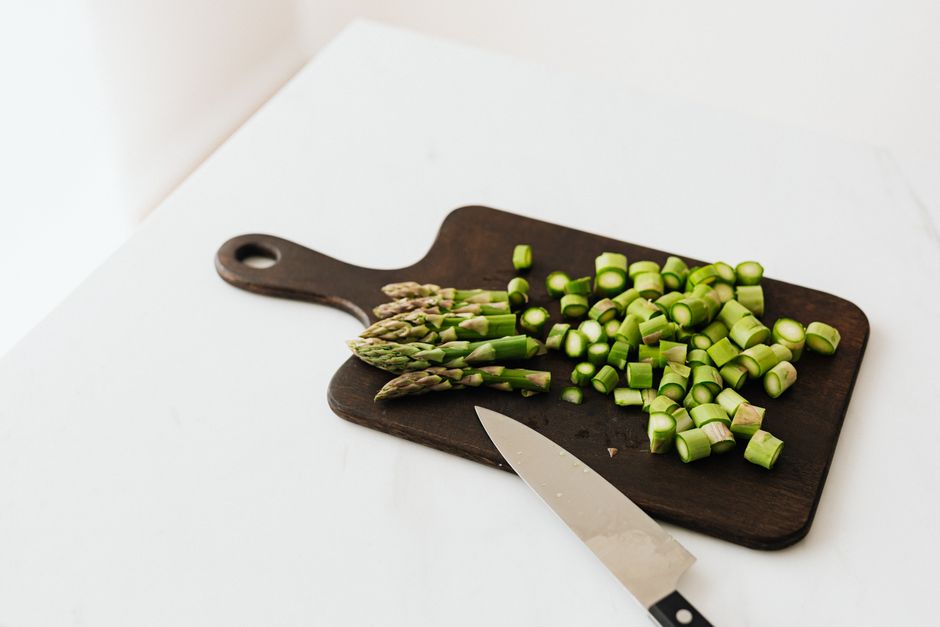
- Snap or trim the dry ends from asparagus, then cut thick stalks into shorter pieces.
- Remove tough chard ribs and kale stems. Slice them thinly so they soften before the leaves overcook.
- Rinse leafy greens in cold water, then dry them well. Wet leaves lower the pan temperature and create weak steam.
- Rinse fresh peas quickly. Avoid soaking them for a long time because their thin skins absorb water.
3. Build flavor in layers
- Heat the pan before adding oil. A hot surface helps asparagus and stems brown instead of simmering.
- Add firm vegetables first with a pinch of salt. Salt draws out moisture, so use it carefully if you plan to add soy sauce, cheese, or cured meat later.
- Add garlic during the final minute. Garlic burns before asparagus finishes, especially over high heat.
- Finish with acid. Lemon juice, rice vinegar, or cider vinegar balances the sweetness of peas and the bitterness of greens.
4. Check the common failure points
- If asparagus tastes stringy, the stalks may be old or the pan may not have stayed hot enough. Peel the lower third next time or choose thinner spears.
- If peas taste dull, they probably cooked too long. Add them at the end and taste one after two minutes.
- If greens taste watery, dry them more thoroughly and cook in smaller batches.
- If the dish tastes bitter, add acid and a small amount of fat before adding more salt.
- If vegetables turn gray, the pot or pan may have stayed covered too long. Remove the lid and stop cooking as soon as the texture is right.
Verdict: The best spring-vegetable habit is simple: prep everything first, cook firm pieces before delicate ones, and finish the dish off the heat.
My strongest recommendation: use acid before adding more salt
Add lemon juice or vinegar before reaching for another pinch of salt. Spring vegetables often taste flat because they lack contrast, not because they lack seasoning. Acid sharpens peas, cuts through olive oil, and makes bitter greens taste cleaner. This small step gives you more flavor without turning a healthy plate into a salty one.
Can lemon replace a heavy sauce?
For most weeknight meals, yes. Toss roasted asparagus with one teaspoon of olive oil, the zest of half a lemon, and one teaspoon of juice. Add toasted almonds or a soft-boiled egg if you need more substance. The result tastes complete without cream or a thick bottled dressing.
When should you use vinegar instead?
Use vinegar when the greens taste especially bitter or earthy. Champagne vinegar works with tender spinach, while cider vinegar suits kale and chard. Add one teaspoon at a time after cooking, taste, and stop when the vegetables taste lively. Too much acid can make peas seem sharp and thin.
Skip the acid only when the rest of the meal already contains a strong sour element, such as a tomato-based sauce or pickled garnish. Otherwise, lemon or vinegar is the most useful finishing tool in this category.
Verdict: For a balanced plate of asparagus, peas, and greens, add acid at the end, then adjust salt. That order produces a brighter result with less seasoning.
Useful tools, smart alternatives, and when to skip them
You do not need specialized equipment to cook spring vegetables, but a few well-designed tools can reduce errors.
The best basic tool is a wide skillet
A Lodge 12-Inch Cast Iron Skillet gives asparagus enough surface area to brown without piling the spears on top of each other. Its heavy base holds heat well, but it also responds slowly when you lower the temperature. Choose it for roasting-style stovetop cooking and crisp edges. Skip it if you dislike lifting a heavy pan or need to move from high heat to low heat quickly; a lighter stainless-steel skillet offers faster control.
The most useful tool for greens is a salad spinner
The OXO Good Grips 5-Quart Salad Spinner has enough capacity for a large batch of spinach, chard, or kale. Dry greens cook faster and brown better, so the spinner solves a real problem rather than adding decoration to the kitchen. Do not buy one if you usually cook one small handful at a time. A clean kitchen towel works just as well for a small portion, although it takes longer.
Use a thermometer for vegetables stuffed with other foods
The ThermoWorks Thermapen ONE reads temperatures quickly and lists accuracy within ±0.5°F. You do not need it to judge asparagus, but it helps when spring vegetables go into frittatas, stuffed chicken, or baked egg dishes. For simple sautéed greens, a fork and a taste test give better information than a number.
A Breville Smart Oven Air Fryer Pro uses 1800 watts and has a 1-cubic-foot interior, making it useful for roasting a full tray of asparagus while another dish cooks on the stovetop. It is unnecessary for a small serving and takes more counter space than a standard oven. For most households, the wide skillet is the first tool worth choosing, the salad spinner is the second, and the countertop oven is a convenience rather than a need.
Final recommendation: For healthy spring cooking in 2026, buy fresh asparagus when the stalks feel firm, use fresh or frozen peas according to availability, dry your leafy greens thoroughly, and cook each vegetable separately before combining them. A wide skillet, quick timing, and a lemon finish will give you the best result with the least equipment.
Always consult a qualified healthcare professional before making health-related decisions.