Stress can change your breathing before you notice that you feel tense. A few minutes of slow, comfortable breathing can give your body a clear signal to reduce its alarm response and return your attention to the present.
Why breathing helps when stress takes over
Stress often makes breathing faster, shallower, or tighter in the upper chest. That pattern is useful for short bursts of physical danger, but it can keep the body feeling on edge during an argument, crowded commute, difficult workday, or anxious thought loop. Changing the pace and shape of your breath gives you one direct way to interrupt that cycle.
The basic stress response
When the brain senses a threat, the body prepares for action. Heart rate may rise, muscles may tense, and attention may narrow. You cannot always choose what thought appears, but you can choose to soften your next inhale and extend your exhale. That small action may help shift attention away from the threat and toward a physical task you can control.
Slow breathing does not remove the cause of stress. It also does not replace therapy, medical care, sleep, movement, or practical changes to an unhealthy situation. It is a short regulation tool, not a cure for every problem.
Why the exhale matters
For beginners, a slightly longer exhale is usually easier than forceful deep breaths. Try inhaling gently for four counts and exhaling for six. The breath should remain quiet and comfortable. The NHS breathing guide recommends regular, gentle breathing for at least five minutes, but you can start with one minute if that feels more manageable.
The clearest goal is not to take the biggest breath possible. It is to breathe smoothly enough that your shoulders stay relaxed and you do not feel short of breath.
How to do a beginner breathing exercise
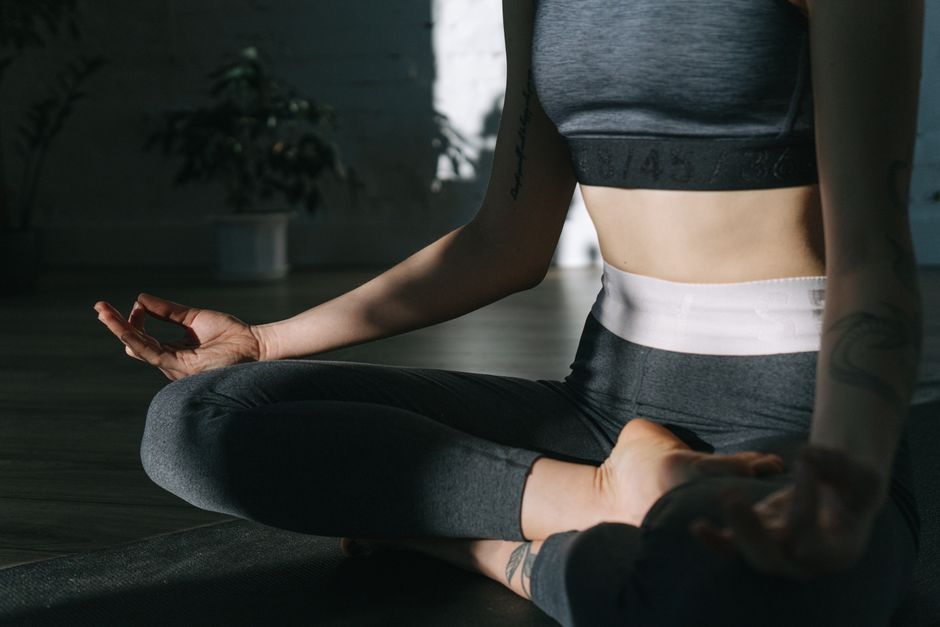
The best first exercise is simple diaphragmatic breathing with a relaxed, longer exhale. You do not need a special room, app, timer, or sitting position. A chair with back support works well.
A five-minute routine
- Sit with both feet on the floor and let your hands rest loosely on your thighs.
- Unclench your jaw and drop your shoulders away from your ears.
- Breathe in gently through your nose for four counts. Let your belly move naturally.
- Breathe out slowly through your nose or lightly parted lips for six counts.
- Repeat for five rounds. If the count feels too long, use three seconds in and four seconds out.
- After five rounds, return to normal breathing and notice whether your face, chest, or hands feel less tense.
How often to practice
Practice once when you are calm, not only during a crisis. Start with five minutes after waking, before a stressful meeting, or while waiting for an appointment. Regular practice makes the sequence easier to remember when your attention is already scattered.
Do not force the belly outward or pull in a huge amount of air. The movement may be subtle. If you feel dizzy, light-headed, numb, or uncomfortable, stop the exercise and breathe normally. The American Heart Association advises beginners to limit structured patterns to a few cycles at first and to stop if light-headedness occurs.
Which breathing pattern should a beginner choose?
There is no prize for using the most complicated pattern. For most beginners, gentle breathing with a longer exhale is the best starting point because it requires no breath-holding and is easy to use in public. The table below shows when other patterns may fit better.
Breathing pattern comparison
| Technique | Basic pattern | Best use | Main caution |
|---|---|---|---|
| Gentle extended exhale | Inhale 4, exhale 6 | Everyday stress and first practice | Shorten the count if strained |
| Diaphragmatic breathing | Easy inhale with relaxed belly movement | Chest tension and shallow breathing | Do not push the abdomen out |
| Box breathing | Inhale 4, hold 4, exhale 4, pause 4 | Brief focus before a task | Skip holds if they feel uncomfortable |
| Pursed-lip breathing | Easy inhale, slower exhale through narrow lips | Breath control and calming after exertion | Keep the exhale gentle, not forced |
The best first choice
Choose gentle extended-exhale breathing. It offers the clearest starting point with the fewest moving parts. Use box breathing later if counting helps you focus, but do not treat breath holds as a test of discipline. A pattern that makes you tense defeats the purpose of the exercise.
For people with a heart or lung condition, ask a qualified healthcare professional which technique is appropriate before starting structured breathing practice. The American Heart Association stress guidance also advises people with heart or lung conditions to seek professional advice before trying these exercises.
Common mistakes that make breathing feel worse
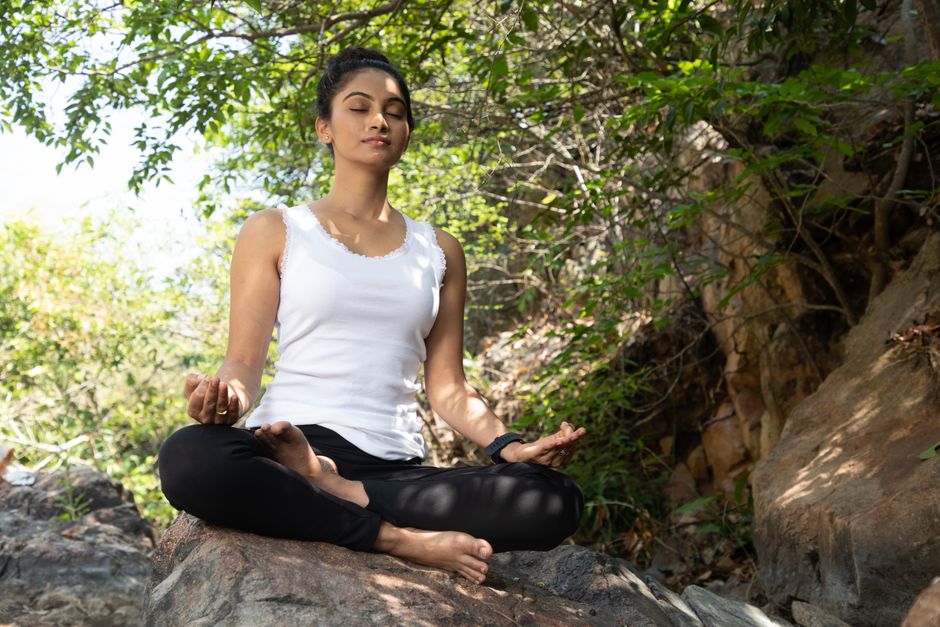
My strongest recommendation is to breathe less forcefully, not more. Many beginners hear the words deep breathing and immediately pull in a large breath. That can create chest tightness, tingling, or dizziness. Calm breathing should feel ordinary, quiet, and repeatable.
Mistakes to avoid
- Taking the biggest breath possible on every cycle.
- Holding your breath because a timer or video tells you to.
- Trying to reach a fixed count even when your body feels strained.
- Lifting your shoulders and tightening your neck.
- Practicing while driving, swimming, bathing, or doing anything that requires full attention.
- Using breathing practice to ignore severe or unexplained physical symptoms.
How to fix a difficult session
Return to normal breathing for several moments. Then remove the hold, shorten the inhale, and make the exhale only one count longer. For example, use three counts in and four counts out. Keep your eyes open if closing them makes you feel less grounded. Sit upright, place both feet on the floor, and look at a fixed object.
Breathing exercises should not cause chest pain, fainting, severe breathlessness, or confusion. Stop and seek urgent medical help for serious or sudden symptoms. For recurring panic, persistent anxiety, or stress that disrupts sleep and daily life, breathing practice works best alongside support from a healthcare professional.
Breathing questions beginners often ask
Should I breathe through my nose or mouth?
Start with a gentle nasal inhale and a relaxed nasal or mouth exhale. If your nose is blocked, mouth breathing is acceptable for a short practice. The goal is a smooth rhythm, not perfect technique. Tightening the lips or jaw to force nasal breathing can add tension.
How long should I practice?
Begin with one to five minutes. A five-minute session is a useful target, but two calm minutes are better than ten strained minutes. You can practice once or twice daily and add a short session before a predictable stress trigger, such as public speaking or a difficult phone call.
Can breathing stop a panic attack?
It may reduce some physical sensations, but it cannot guarantee that a panic episode will end immediately. Use a gentle pattern, keep your eyes open, name five things you can see, and move to a safe place. If symptoms are new, severe, or hard to separate from a medical emergency, seek urgent help instead of assuming stress is the cause.
What if focusing on my breath makes me more anxious?
Switch to an external anchor. Feel your feet against the floor, describe objects in the room, or take a slow walk while keeping your breathing natural. Breath awareness is not the right first tool for everyone, and forcing it can increase distress.
Build a seven-day stress breathing habit
A practical weekly schedule
Use five gentle breaths on day one, one minute on day two, and two minutes on day three. On days four and five, practice for three minutes in the morning and repeat five cycles before one known stress trigger. On days six and seven, use five minutes once daily and keep one shorter session available for difficult moments. This gradual schedule builds familiarity without turning relaxation into another task to fail.
The clearest final recommendation
For most beginners, gentle extended-exhale breathing is the best choice: inhale comfortably for four counts, exhale for six, and repeat for five cycles. Practice it once daily when calm, shorten the counts if you feel strain, and stop if you become dizzy or unwell. It is simple enough to use anywhere, safe to scale down, and practical enough to become a real stress-management habit.
Always consult a qualified healthcare professional before making health-related decisions.